Polygel looks deceptively simple on a menu, but polygel service pricing can make or break your business. Many nail technicians enjoy working with polygel — it’s controlled, low‑odor, and versatile — yet a surprising number underprice it, absorbing extra time and overhead without realizing it.
This guide helps independent nail technicians and salon owners in Canada stop guessing and price polygel services with confidence. You’ll learn how to account for product cost, time, shape complexity, art, and market positioning without textbooks or guesswork.
- Why Polygel Is a Premium Service Worth Higher Pricing
- How to Calculate True Cost Per Service
- Time-Sensitive Pricing: Protecting Your Profit
- Pricing Services by Length, Shape, and Complexity
- How Nail Art and Colors Influence Pricing
- Polygel Pricing Services in Canada: Market Ranges
- Common Mistakes That Hurt Profit
- FAQs
Why Polygel Is a Premium Service Worth Higher Pricing
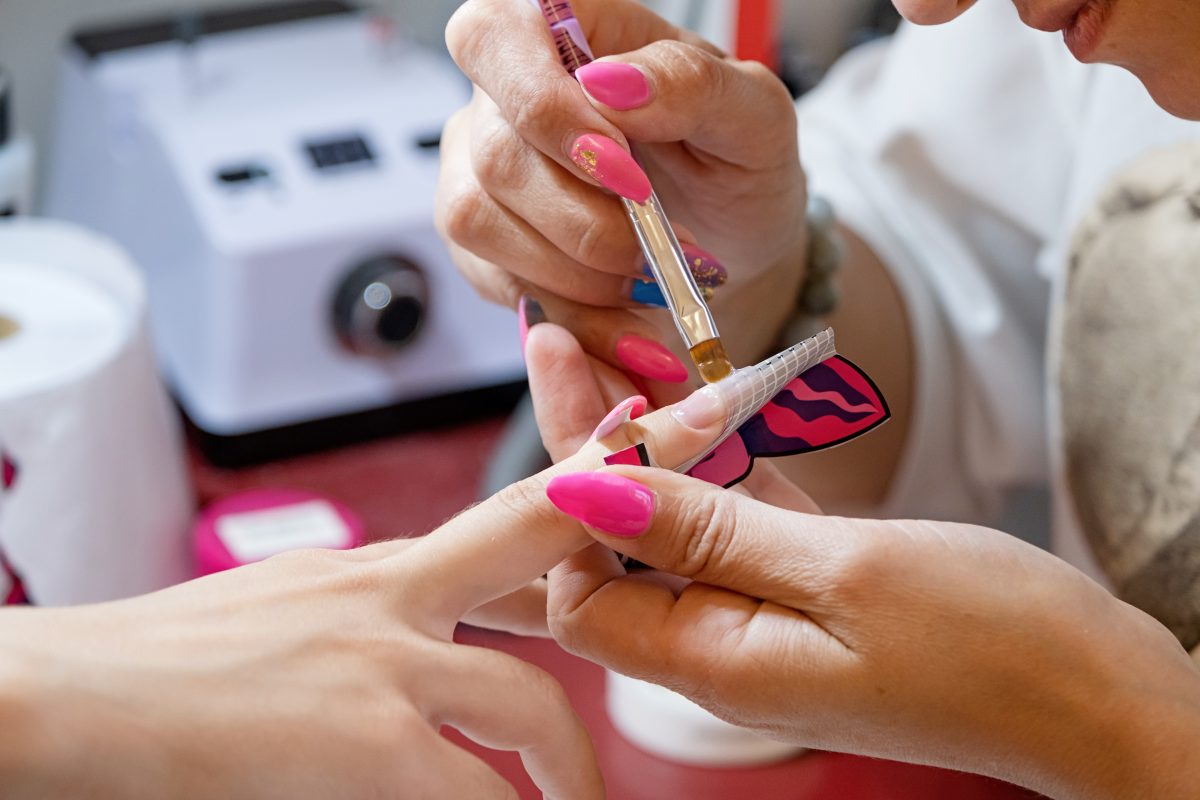
Polygel is far from a basic “add-on” polish. Compared to acrylics, it offers:
- A lighter, more comfortable feel with less odor
- Controlled application that reduces airborne dust
- Reduced filing when apexes are built correctly
- Hybrid gel flexibility combined with structural strength
From a client’s perspective, polygel feels modern and professional. From a technician’s perspective, it requires precision: apex placement, sidewall control, and cuticle sealing leave no room for shortcuts. For this reason, pricing polygel services as a premium offering ensures your margins reflect the skill and care involved.
How to Calculate True Cost Per Service
Before setting prices, start with the numbers. True polygel service pricing should include:
- Polygel product used (precise usage, not tube price)
- Slip solution or alcohol
- Forms (dual or sculpting)
- Base and top coats
- E-file bit wear and lamp usage
- Sanitation supplies
- A fair portion of salon overhead
Remember, rent, utilities, booking software, and insurance don’t disappear just because a service looks simple. Overlooking overhead is one of the most common reasons for underpricing.
Time-Sensitive Pricing: Protecting Your Profit
Polygel services punish flat pricing more than many other enhancements. A short, simple set may take an hour, while a long stiletto with encapsulated art can take 3+ hours.
Many professionals adopt time-based pricing: a base service fee for standard service time, with additional charges for extra length, shape complexity, or design. This approach protects margins without making clients feel nickel-and-dimed.

Pricing Services by Length, Shape, and Complexity
Length, shape, and structural demands directly affect polygel service pricing:
- Length: Longer nails require more product, apex engineering, and filing
- Shape: Square and soft almond are efficient; coffin and ballerina take extra time; stiletto and specialty shapes require reinforcement
- Structure: Professionals price based on structure, not just aesthetics
Charging the same for all lengths and shapes is like charging the same for a trim and a full corrective haircut.
How Nail Art and Colors Influence Pricing
Designs should never be priced emotionally — they should reflect the time and complexity involved.
- Solid colors are predictable.
- French or gradient placements require precision.
- Marble, encapsulated glitter, or chrome increases time significantly.
- Dark or multi-layer finishes often need extra refinement.
When nail technicians ask, “how much should I charge?” the real answer is: “How much time and correction risk does this design introduce?”

Polygel Pricing Services in Canada: Market Ranges
Here’s an updated framework for Canadian salons. These ranges reflect typical pricing in urban and suburban markets and provide guidance for adjusting based on overhead, clientele, and location.
| Service Type | Length/Complexity | Price Range (CAD) |
|---|---|---|
| Full Set (Polygel) | Short to medium | $70 – $110 |
| Medium to long with structure | $110 – $140 | |
| Long stiletto / specialty apex | $140 – $180+ | |
| Infill / Rebalance | Standard intervals (2–3 weeks) | $50 – $80 |
| Late infill / structural correction | $80 – $110 | |
| Design Add-Ons | Basic accents (one color + minimal detail) | $10 – $20 |
| French / baby boomer / gradients | $20 – $40 | |
| Advanced art (marble, encapsulated glitter, chrome) | $40 – $80+ | |
| Length & Shape Modifiers | Long extensions | +$15 – $40 |
| Complex shapes (reinforcement) | +$10 – $30 | |
| Time-Based Adjustments | Exceeding standard 60–75 mins | +$10 – $25 per 15 minutes |
Competitive Positioning
Market Rate vs Expertise
Not every salon should price the same. Polygel pricing services strategically can reflect skill, retention, and market positioning:
- Market-based pricing works when services are standardized and turnover is predictable
- Expertise-based pricing works when skill, long-lasting structure, and client loyalty matter more than speed
Competing solely on price leads to a downward spiral, while competing on consistency and quality builds loyal clients.

Common Mistakes That Hurt Profit
Even experienced technicians fall into these traps:
- Pricing polygel like gel polish
- Ignoring time overruns
- Absorbing design labor “to be nice”
- Failing to adjust prices as costs rise
- Treating all refills the same
Avoiding these mistakes prevents burnout and protects margins.
FAQs
Pricing should reflect time, complexity, overhead, and design, not just competitor menus.
Yes, when product usage is controlled and services are positioned as premium hybrid gel services.
Absolutely — detailed designs increase time and correction risk, justifying additional fees.
Underpricing, inconsistent service boundaries, and ignoring labor time are the most common reasons.