

Nail Polish Remover
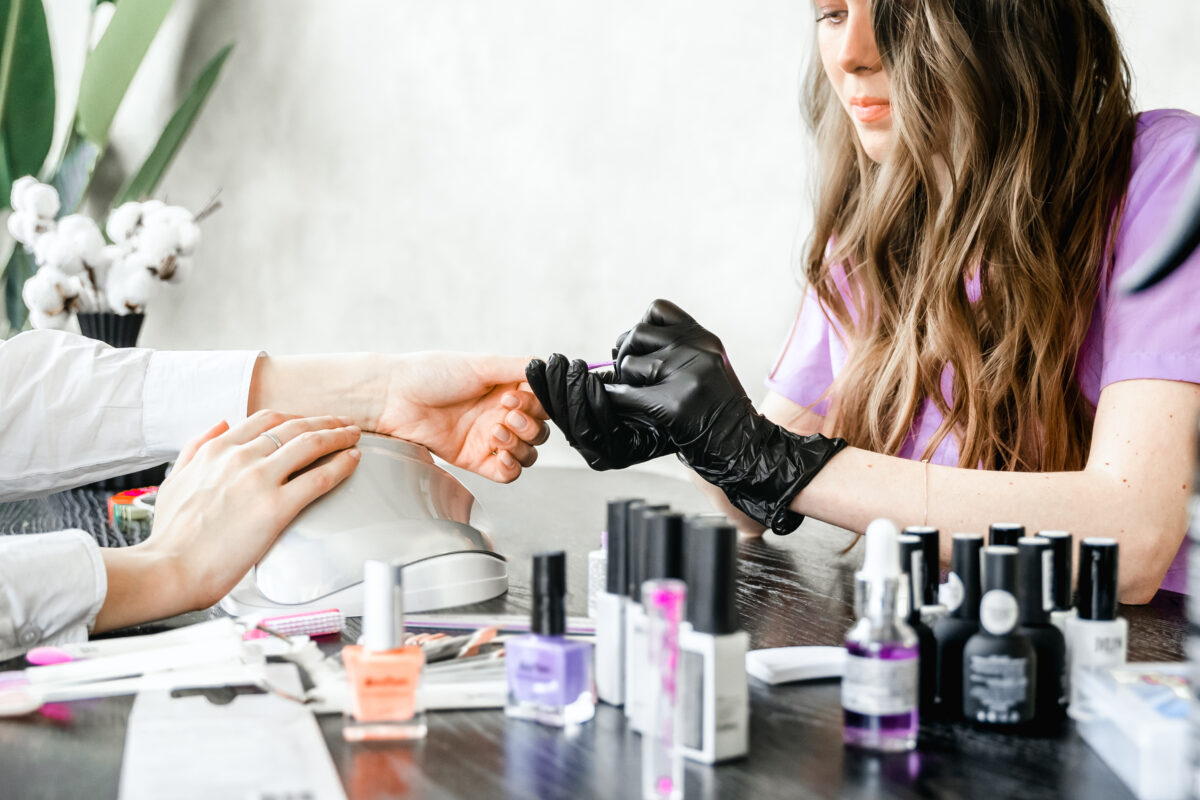
Nail polish remover is an essential component of the nail art process, as it can enhance or diminish the quality and longevity of your client’s manicure.
Nail professionals aim to create stunning nail designs that showcase their creativity and skill. To achieve this, professionals need to understand the nuances of various nail polish removers and choose the right one for their needs. Nail polish remover is not just a tool to erase old polish; it also has different impacts on the nail health, the polish performance and the application process. Therefore, it is very important to know each type of nail polish remover and how to use it properly.
Nail Polish Remover Importance
In the expansive canvas of nail artistry, the importance of nail polish remover goes beyond its fundamental role of clearing away the vestiges of past designs. Its proficiency in this task sets the stage for the creation of an immaculate foundation, ensuring starts with a clean canvas. So it is a key player in achieving high-quality and enduring manicures. Here’s why selecting premium nail polish removers and understanding their types is essential
- More effective and gentle on nails. They can remove polish faster and easier, without causing damage or irritation to nails and skin.
- Contains nourishing ingredients, such as oils and vitamins that help to hydrate and strengthen nails.
- More versatile and compatible with different types of polish. They can remove regular, gel, acrylic or glitter polish, depending on the formula and the method of application.
- Can used on natural or artificial nails, without affecting their integrity or durability.
- Different types and each type has its advantages and disadvantages, depending on your preference and convenience.

Nail Polish Remover Types
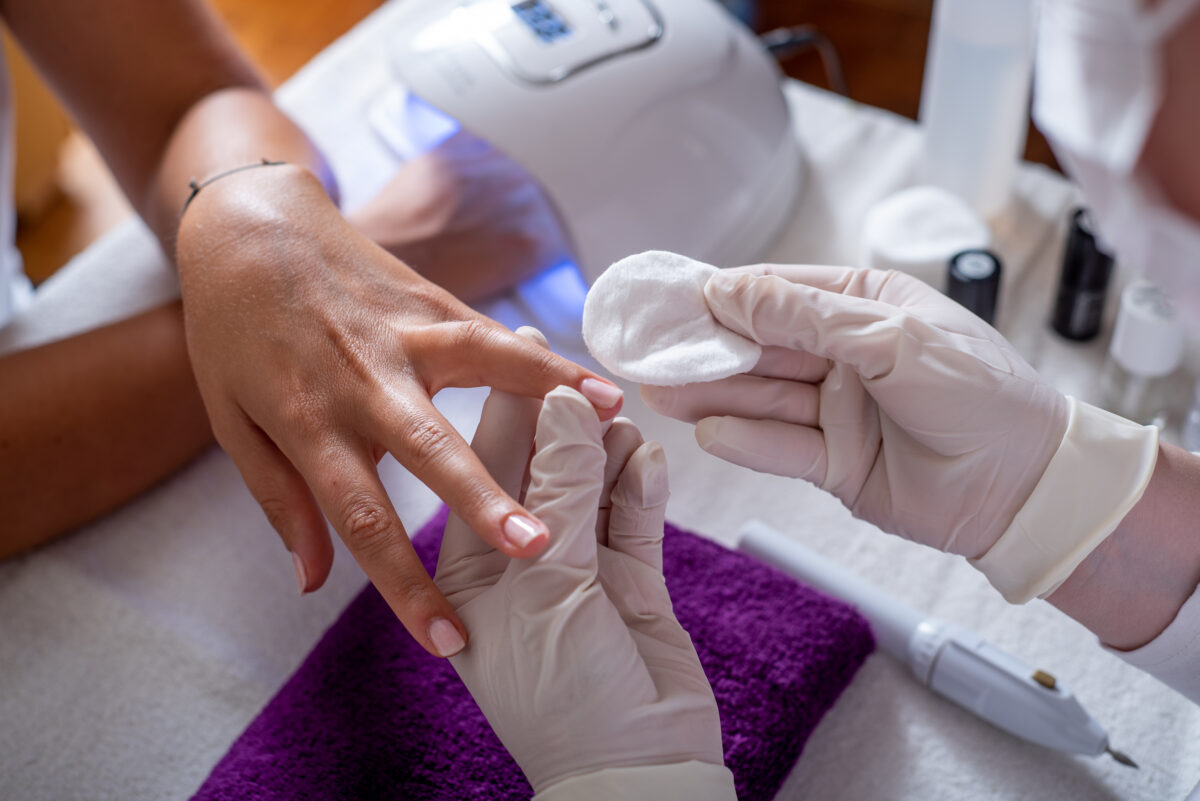
Nail polish remover is a product that helps you remove old or unwanted nail polish from nails. However, not all nail polish removers are the same and choosing the right one for your client’s nails can make a big difference in their health and appearance. There are two different types of nail polish removers, such as acetone-based and non-acetone. Each type has its advantages and disadvantages, depending on its effectiveness, speed, gentleness, cost and environmental impact. Below are these different types of nail polish removers with some examples of brands that offer them.
Acetone-Based Removers
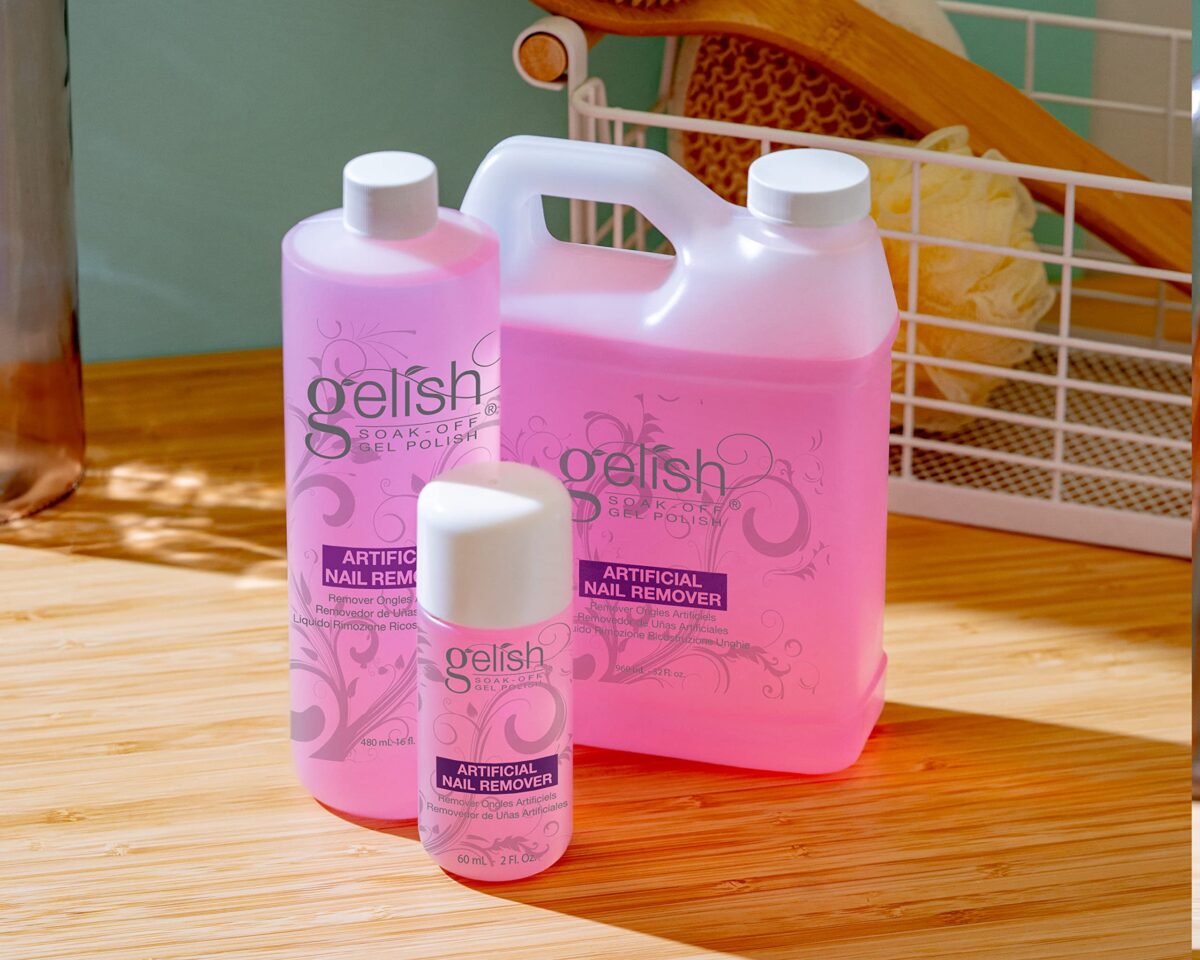
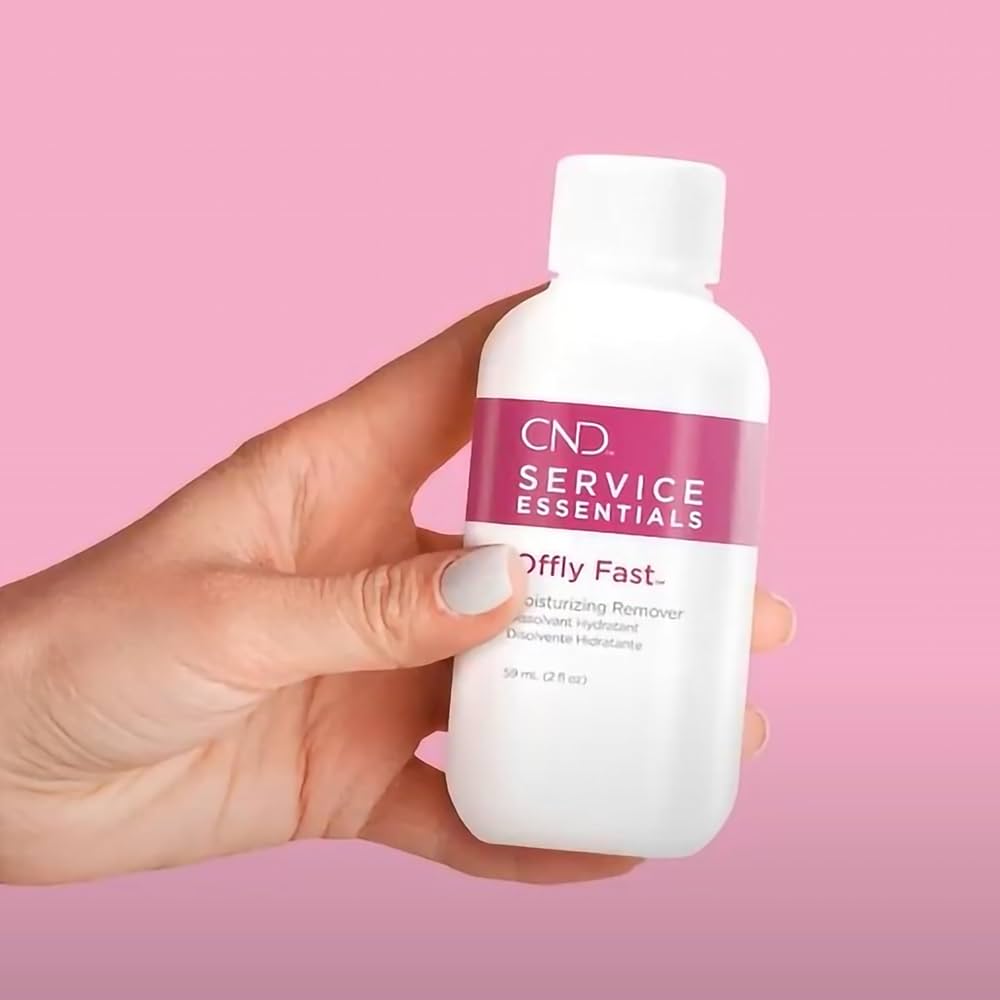
Recognized as the most effective and rapid nail polish removers, these formulations feature acetone, a potent solvent capable of dissolving and removing various types of polish, including gel, acrylic, and glitter. Despite their efficacy, it’s crucial to note that acetone-based removers can be harsh and drying on nails and cuticles, as they strip away natural oils and moisture. Additionally, they may lead to irritation or allergic reactions in some clients. Due to these considerations, it is advisable to use them sparingly and with caution. It is also recommended to moisturize nails and skin after their application to mitigate potential dryness. Examples of acetone-based removers suitable for professional use in removing dip powder nails include OPI Expert Touch Lacquer Remover, Gelish Soak-Off Gel Remover and CND Shellac Offly Fast Moisturizing Remover.
Non-Acetone Removers
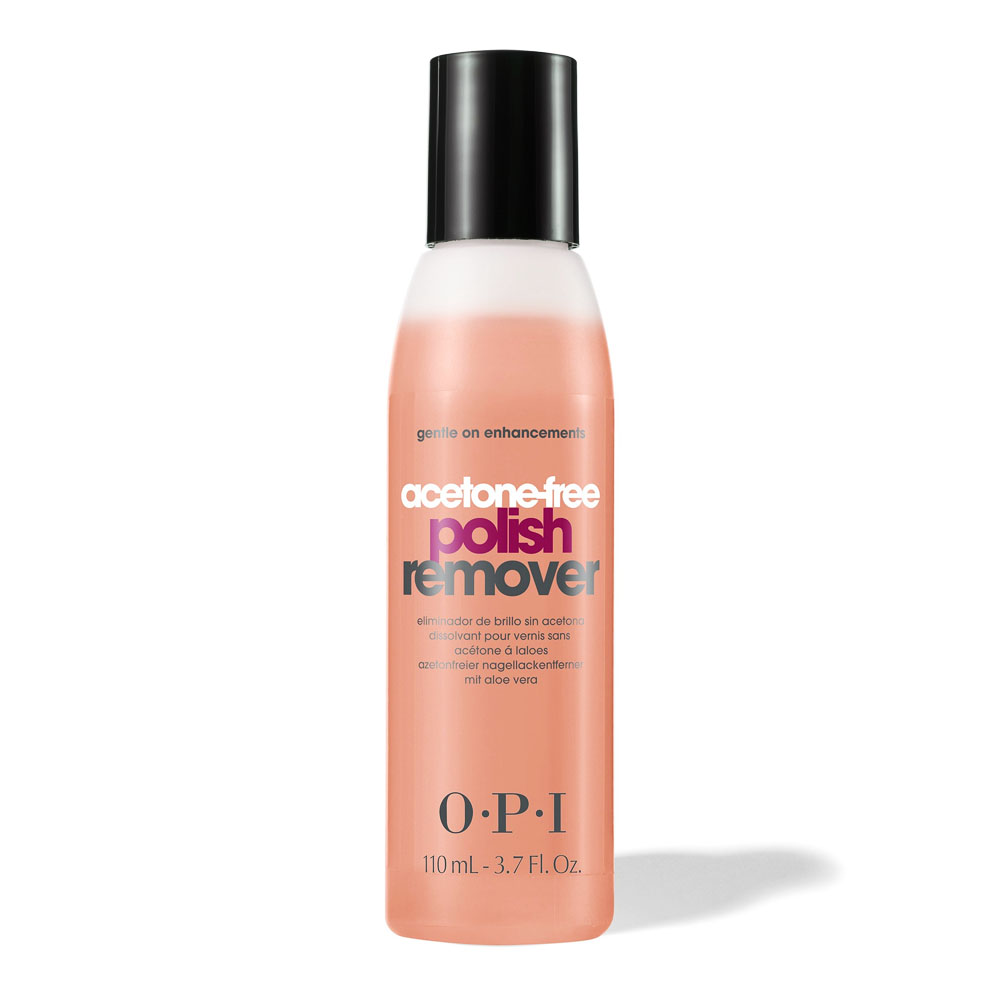
These are gentler and more nourishing type of nail polish removers. These removers do not contain acetone but instead use other solvents, such as ethyl acetate or isopropyl alcohol, to remove polish. They are suitable for those with more sensitive nails and skin, as they are less drying and irritating. Moreover, these removers may contain nourishing ingredients, such as oils and vitamins, to hydrate and strengthen nails. However, they may not be as effective or fast as acetone-based removers, especially for gel, acrylic, or glitter polish. They may also be more expensive and require more product to remove polish. Some examples of non-acetone alternatives are SuperNails Non-Acetone Nail Polish Remove and OPI Acetone-free polish remover.
Comparing Acetone-Based Removers and Non-Acetone Removers
This table provides a clear and organized comparison between Acetone-Based and Non-Acetone Nail Polish Removers:
| Acetone-Based Removers | Non-Acetone Removers | |
|---|---|---|
| Composition | Acetone as the main solvent. | Ethyl acetate or butyl acetate as the main solvent. |
| Effectiveness | Work faster and more effectively at removing nail polish. | Work slower and less effectively at removing nail polish. |
| Smell | Have a strong and harsh smell. | Have a milder and more pleasant smell. |
| Nail Health | Drying and damaging to nails and cuticles. | Nourishing and moisturizing to nails and cuticles. |
| Usage | Dissolve plastic and some types of fake nails | Used safely on nail extensions and fake nails |
| Moisturization Required | Recommended to use moisturizers afterward. | Less need for immediate moisturization after use. |
| Polish Compatibility | Effective on all types of polish, including gel and dip powder. | May be less effective on certain types of nail products. |
Specialized Nail Polish Removers
Some nail polish removers have additional ingredients or methods that make them suitable for certain types of nail polish or nail extensions. These are known as specialized nail polish removers, and they include the following subtypes:
Gel Polish Removers
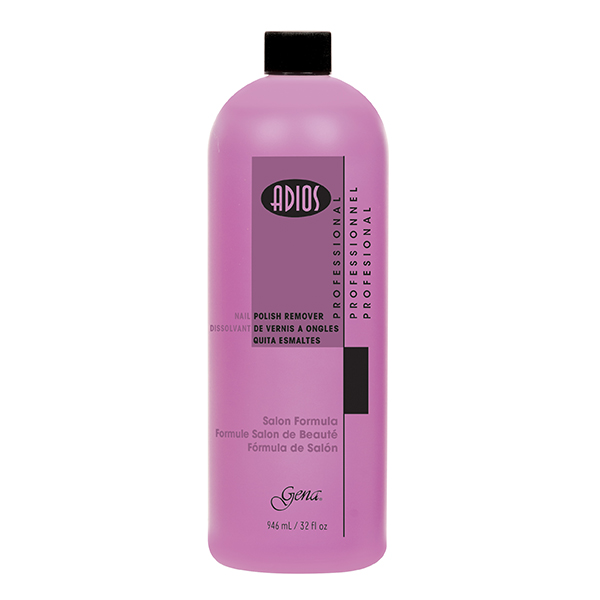
Gel nail polish application involves a curing process using UV or LED light, creating a hardened and long-lasting finish. However, the removal of gel polish requires specialized care and products. Gel polish removers, commonly featuring acetone as the primary solvent, play a pivotal role in dissolving the gel layer effectively. While acetone is efficient in this task, it can be abrasive on the nails and skin. Recognizing the need for a more user-friendly removal experience, many gel polish removers now incorporate additional tools or accessories. These may include clips, wraps, or steamers designed to expedite the removal process while minimizing direct exposure to acetone.
These innovative solutions not only enhance efficiency but also contribute to a more comfortable and gentler gel polish removal experience for professionals seeking a seamless transition between nail designs. Some examples of gel polish removers are Gelish Artificial Nail Remover, OPI GelColor ProHealth Remover and CND Shellac Offly Fast Moisturizing Remover.
Acrylic Polish Removers
Acrylic nails, prized for their robustness and longevity, require occasional removal to accommodate changes in style or nail health. Acrylic polish removers, akin to their gel counterparts, leverage acetone as the primary solvent to break down the resilient acrylic material. Despite its effectiveness in dissolving acrylic, acetone’s potent nature may pose potential risks to the natural nails, potentially causing dryness and brittleness. Consequently, a mindful approach to acrylic nail removal involves initial steps such as gently buffing away the top layer of the acrylic nails with a nail file. This preparatory measure aims to facilitate the subsequent soaking process in acetone. Following the removal procedure, it is crucial to prioritize the rejuvenation of the nails and cuticles by applying a moisturizer. This multi-step approach ensures not only the effective removal of acrylic nails but also the promotion of optimal nail health during and after the process.
Natural or Chemical-Free Removers
A growing number of clients are gravitating towards natural or chemical-free nail polish removers, drawn by the allure of formulations crafted from organic, plant-based, or eco-friendly ingredients. These alternatives stand in stark contrast to traditional removers by omitting harsh chemicals like acetone. Instead, they may incorporate ingredients with nourishing or moisturizing properties, promoting healthier nails and skin. While the appeal of natural removers lies in their gentleness, it’s essential to note that their efficacy may not match the swiftness of acetone-based counterparts, particularly when faced with the challenge of removing dark, glitter or gel polish.
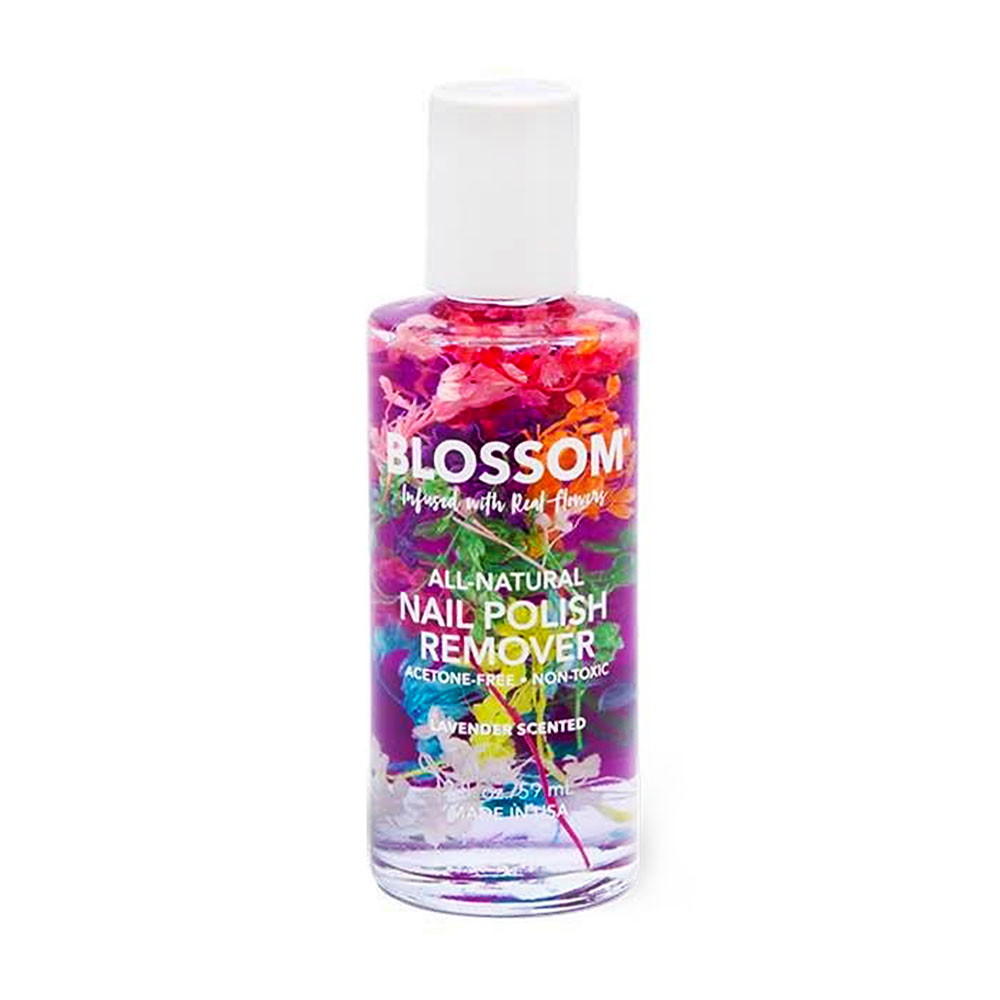
Consequently, some nail professionals opt to reserve these natural options for occasional use or when dealing with lighter shades of polish, striking a balance between the desire for a more gentle approach and the need for occasional heavy-duty polish removal. Some examples of natural or chemical-free options are Blossom Nail Polish Remover Acetone Free, there are in the lavender and mint scents.
Glitter Polish Removers
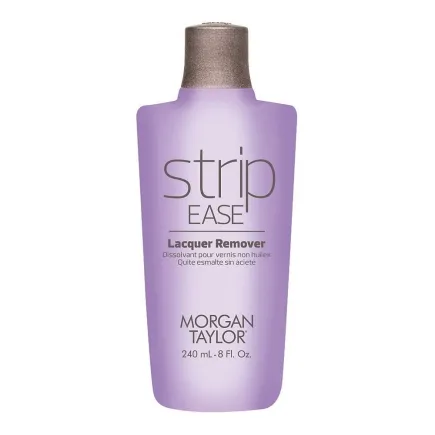
The allure of glitter nail polish lies in its playful and festive aesthetic, featuring tiny light-reflecting particles that add a touch of sparkle. However, the dazzling effect of glitter comes with a challenge—its stubborn adherence to the nails during removal. Standard polish removers often struggle to effectively lift glitter particles, prompting the need for specialized solutions: glitter polish removers such as jojoba oil or lavender extract, to nourish and calm client nails and skin. Some examples of glitter polish removers are Morgan Taylor Strip Ease Nail Lacquer Remover.
These formulations may incorporate acetone or alternative ingredients like ethyl lactate or propylene carbonate, designed to break down and dislodge the tenacious glitter. Tackling glitter polish may involve unique techniques, such as applying a top coat before removal or utilizing foil wraps or cotton balls to facilitate soaking. This tailored approach ensures a more efficient and hassle-free removal process, allowing clients to enjoy the glitzy charm of glitter polish without the daunting task of removal.
Nail Polish Remover Forms
There are a range of nail polish remover options tailored to professional needs:
- Bottled Liquid: The go-to choice, economical and versatile. Opt for acetone-based varieties for swift removal or acetone-free alternatives for a gentler approach.
- Pads: Conveniently pre-moistened for professionals on the move. While less messy and spill-proof, they may come with a higher price tag and offer slightly less potency.
- Wipes: Larger, thinner, pre-moistened sheets designed for portability. Although convenient, they may be less effective and more wasteful.
- Pens: Precision in a pen-shaped device with felt tips. Ideal for corrections but may not be suited for extensive polish removal.
- Pots: Containers housing sponges for quick, mess-free removal. Although effective, they may be pricier, less hygienic, and unsuitable for glitter or gel polish.
FAQ


Salma Aljabban
I’m Salma, and I love talking about nails, colour and beauty products. I enjoy exploring new collections, comparing shades and sharing ideas for nail art and salon services. You’ll also find me writing about lashes and other beauty favourites, helping you find options that suit your style and your clients.