

Freelance or Salon Work

Freelance or Salon Work isn’t just about where you set up your nail station; it’s a decision that shapes your entire career journey.
Whether you thrive in the vibrant buzz of a busy salon, the flexibility of freelance work, or the personalized touch of mobile nail services, the environment you choose for your Freelance or Salon Work directly impacts your job satisfaction, income potential, and work-life balance. Thus, choosing between Freelance or Salon Work goes beyond just doing nails—it’s about aligning your work style with your personal goals, maximizing your skills, and finding the ideal fit that keeps your passion polished and your business thriving.
Understanding the Work Environments
Choosing the right work environment—Freelance, Salon, or Mobile—can significantly influence your career satisfaction and success. Each setting presents unique opportunities and challenges that affect your work-life balance, financial stability, and professional growth. Therefore, it’s essential to understand the defining features, daily responsibilities, and the advantages and drawbacks of each option. By exploring these aspects, you can make an informed decision that aligns with your career goals and lifestyle.

Freelance Nail Technician

Freelance Insights
A freelance nail technician operates independently, often setting up their workspace in a home studio, renting a chair, or traveling to clients’ locations. This role offers substantial autonomy, allowing you to control your schedule, pricing, and service offerings. Unlike traditional employment, freelancers manage every aspect of their business, from client outreach to service delivery. Consequently, this independence provides a unique sense of freedom but also entails significant self-management.

Typical Duties
In addition to the autonomy, freelance nail technicians handle a variety of tasks on a daily basis. These include marketing their services, scheduling appointments, and managing supplies. Moreover, they are responsible for maintaining high standards of hygiene and creating a professional environment, whether working from home or visiting clients. Therefore, strong organizational skills and self-discipline are crucial for balancing these responsibilities effectively.

Benefits and Drawbacks
Freelancing offers notable benefits such as flexible work hours, control over pricing, and the freedom to choose clients and services. However, it also presents challenges such as inconsistent income, the need for self-discipline, and the burden of managing all business aspects. Additionally, initial startup costs and the effort required to build a client base can be significant obstacles. Thus, while freelancing can be rewarding, it requires careful consideration and planning.
Salon Work

Salon Snapshot
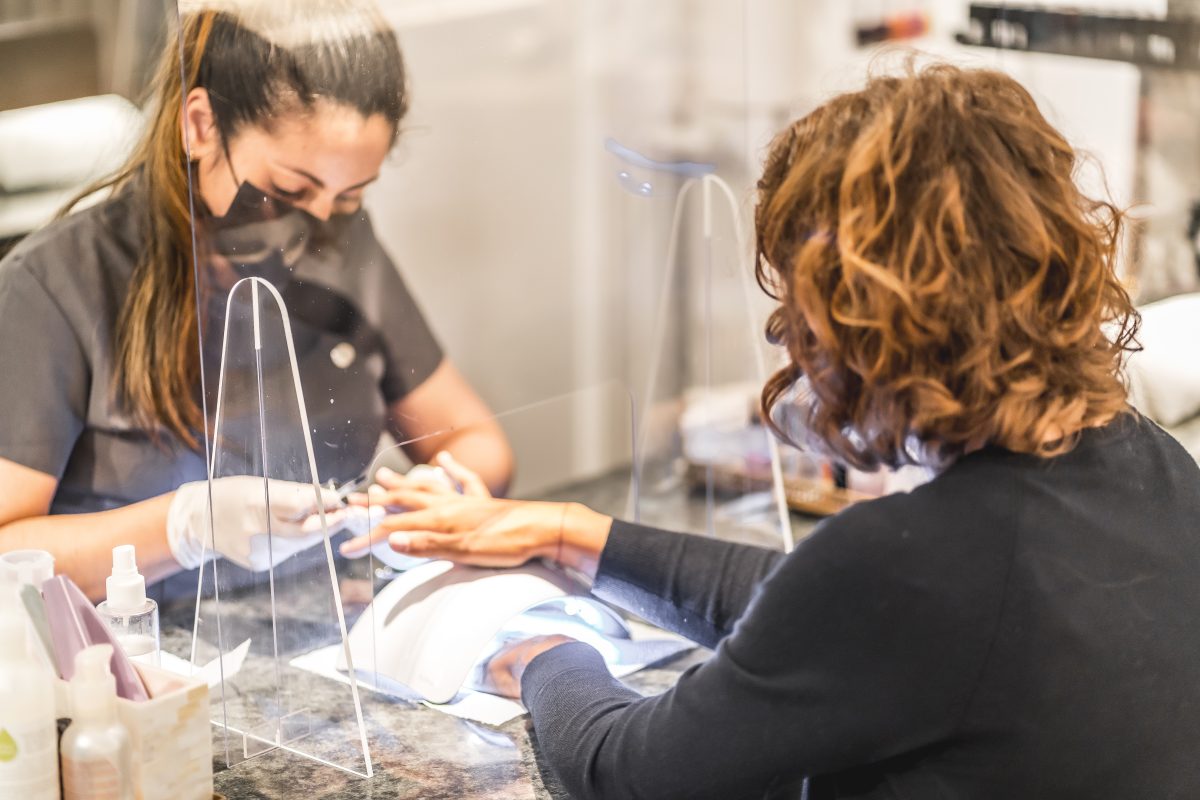
Working in a salon involves being part of a structured environment with a steady client base. Salons provide a designated workspace, access to professional-grade products, and a collaborative team atmosphere. This setting offers stable employment with clear roles and responsibilities, focusing on delivering high-quality nail services within a well-defined framework. Consequently, this structured environment can be advantageous for those who thrive in a team-oriented setting.
Daily Tasks
In a salon, nail technicians focus primarily on providing nail care services, maintaining a clean and organized workstation, and adhering to salon procedures. Furthermore, marketing and client scheduling are managed by the salon, which allows technicians to concentrate on their craft. They may also participate in salon promotions and events aimed at attracting new clients and enhancing business growth. Thus, while the environment is supportive, technicians may have less control over certain aspects of their work.

Pros and Cons
Working in a salon provides the benefit of a reliable income, a steady flow of clients, and reduced responsibility for business management. It also offers a structured environment with opportunities for professional development and skill enhancement. On the other hand, technicians might face limited scheduling flexibility, potentially lower earning potential due to commission-based pay, and the need to adhere to salon policies and rules. Therefore, salon work is well-suited for those who value stability and structured growth.
Mobile Nail Professional
Services Overview
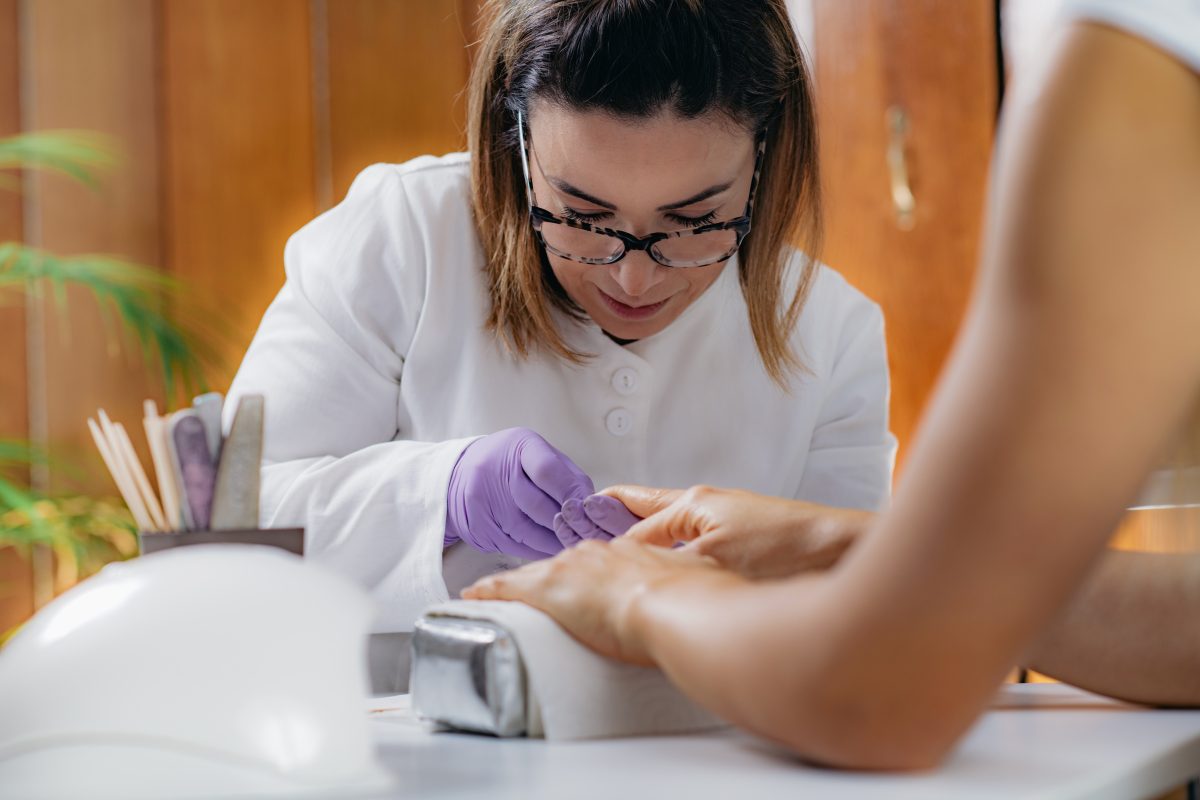
Mobile nail professionals offer their services directly at clients’ locations, such as homes, offices, or events. This role combines the flexibility of freelancing with the convenience of on-the-go services, providing a highly personalized client experience. Consequently, mobile professionals manage their own schedules and handle the logistics of traveling to various sites, which adds a unique dimension to their service.

Core Responsibilities
In addition to the flexibility, mobile nail professionals are responsible for transporting their equipment, setting up workstations at different locations, and maintaining high hygiene standards in diverse environments. They must efficiently manage their appointment schedules, taking into account travel time and logistics. Furthermore, building and maintaining strong client relationships through personalized service is a key aspect of their role. As a result, mobile professionals need to be adept at managing various logistical and client-related challenges.

Advantages and Challenges
The mobile approach offers flexible scheduling and the potential to charge premium prices for the convenience of at-home services. It provides a unique client experience and high earning potential. However, it demands significant planning and physical effort, including managing travel and setup. Additionally, maintaining consistency in different environments and coping with fluctuating client demand can be challenging. Thus, while mobile nail services can be lucrative, they require careful consideration of the associated demands.

Key Differences in Nail Work
Deciding between freelance, salon, or mobile nail services requires a clear understanding of how each setting impacts your career and lifestyle. To simplify this decision, the following table compares essential factors such as income stability, work-life balance, client acquisition strategies, and equipment needs. Consequently, by examining these aspects side-by-side, you can more effectively assess which environment—whether freelance, salon, or mobile—aligns best with your professional goals and personal preferences.
| Factor | Freelance Nail Technician | Salon Work | Mobile Nail Professional |
|---|---|---|---|
| Flexibility | High: Set own hours and locations. | Low: Bound by salon hours and schedules. | High: Flexible scheduling and locations. |
| Income Stability | Variable: Depends on client bookings. | Stable: Steady salary or commission. | Variable: Earnings depend on client demand. |
| Start-Up Costs | High: Investment in supplies and marketing. | Lower: Salon provides tools and marketing. | Moderate: Costs for portable equipment. |
| Clientele | Self-Built: Must attract own clients. | Established: Benefit from salon’s client base. | Self-Built: Attract clients independently. |
| Work Environment | Home/Rented Space: Personalized setup. | Salon Setting: Structured environment. | Client Locations: Various environments. |
| Benefits | None: Self-managed benefits. | Possible: Benefits for full-time employees. | None: Must manage own benefits. |
| Marketing Needs | High: Active self-promotion required. | Low: Salon handles most marketing. | High: Needs active marketing efforts. |
| Job Security | Low: Depends on personal success. | Higher: More stable with predictable income. | Low: Client retention affects security. |
How to Choose the Right Fit
- Personal Preferences
- Evaluate your preferred work style (independent vs. team-oriented).
- Consider how much client interaction you enjoy.
- Align choices with your long-term career goals.
- Financial Goals
- Assess potential income levels for each work environment.
- Consider the stability of earnings and your tolerance for financial risk.
- Weigh the impact of benefits, such as insurance and paid time off.
- Lifestyle
- Determine the level of flexibility you need in your work schedule.
- Consider your work-life balance needs and personal commitments.
- Factor in travel requirements, especially for mobile nail professionals.
- Career Growth
- Look at opportunities for skill development and advanced training.
- Consider how each environment supports career progression.
- Think about networking opportunities and building a professional reputation.

Pricing Your Nail Services
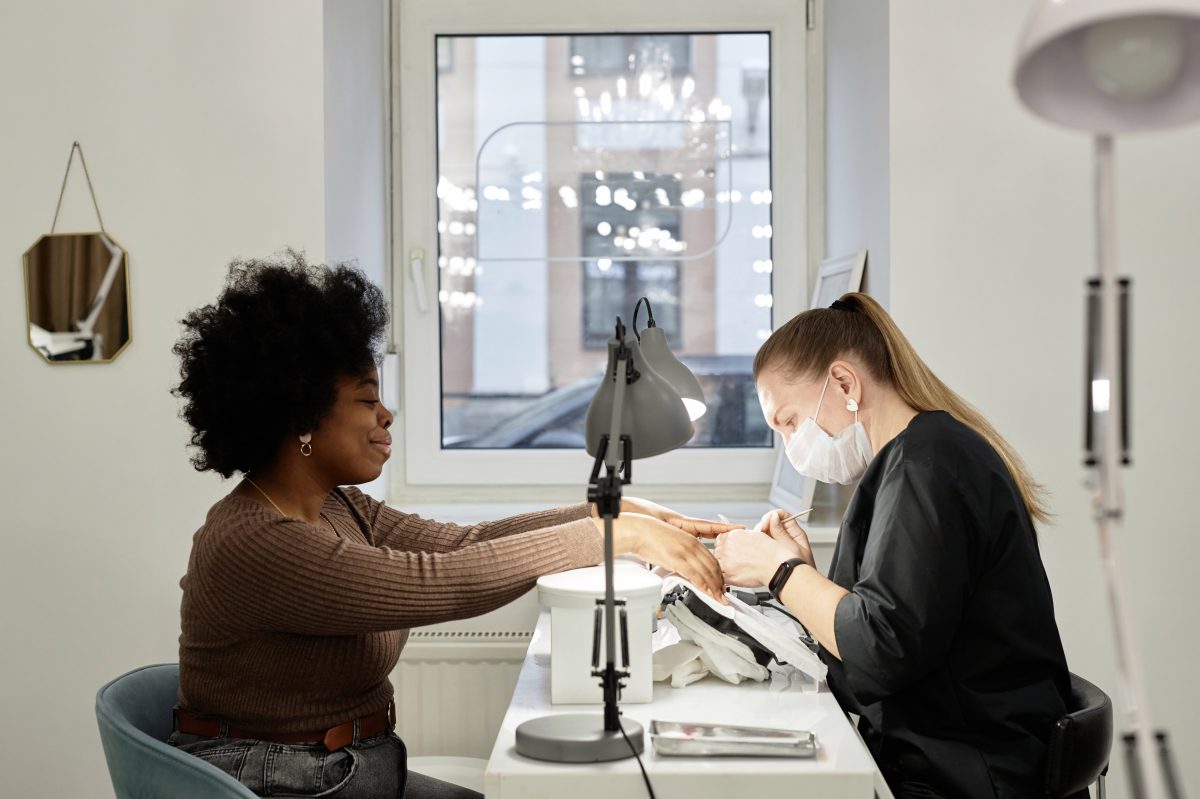
When determining how to price your nail services, whether you’re working as a freelance, in a salon, or as a mobile nail professional, several key factors must be considered. Initially, assess your costs, including supplies and any overhead, to establish a solid pricing foundation. Subsequently, analyze the pricing structures of competitors in your chosen environment to remain competitive. Additionally, take into account the unique skills and services you offer—specialized treatments or exceptional customer service can justify premium pricing. For instance, if you provide unique nail art or flexible mobile services, these aspects can be reflected in your rates. Furthermore, regularly review and adjust your pricing based on client feedback, market trends, and changes in your business expenses. By carefully balancing cost considerations, market competition, and the distinctive value you bring to your freelance, salon, or mobile nail services, you can set prices that enhance both your profitability and client satisfaction.
FAQ


Mo Al-Koubeitri
I’m Mo, and I like making the business side of beauty easier to figure out. I write about running a salon, choosing equipment and getting to know the tools barbers use every day. My goal is to share practical ideas and clear how-to guides that make your next business decision a little easier.