Acrylic enhancements are one of the most durable and widely requested nail services in professional salons. However, even the strongest acrylic set requires maintenance to keep it looking flawless, balanced, and safe for the natural nail underneath.
This is where acrylic fills become essential.
Rather than removing and reapplying a full set every time the nail grows out, nail technicians perform fills to restore structure, strength, and aesthetics. Consequently, acrylic fills are not just a maintenance step—they are a key part of professional nail care, client retention, and salon profitability.
What Are Acrylic Fills?
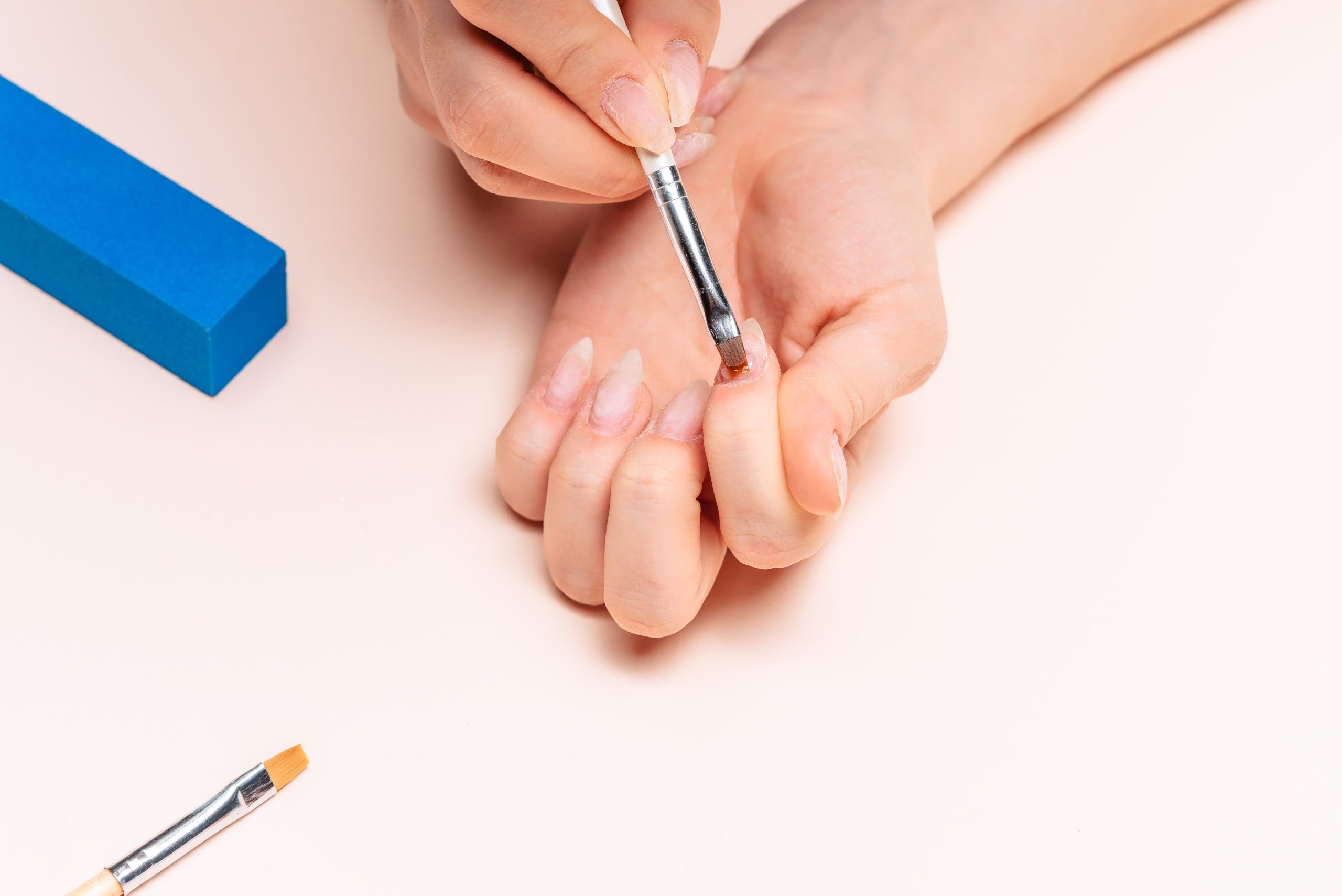
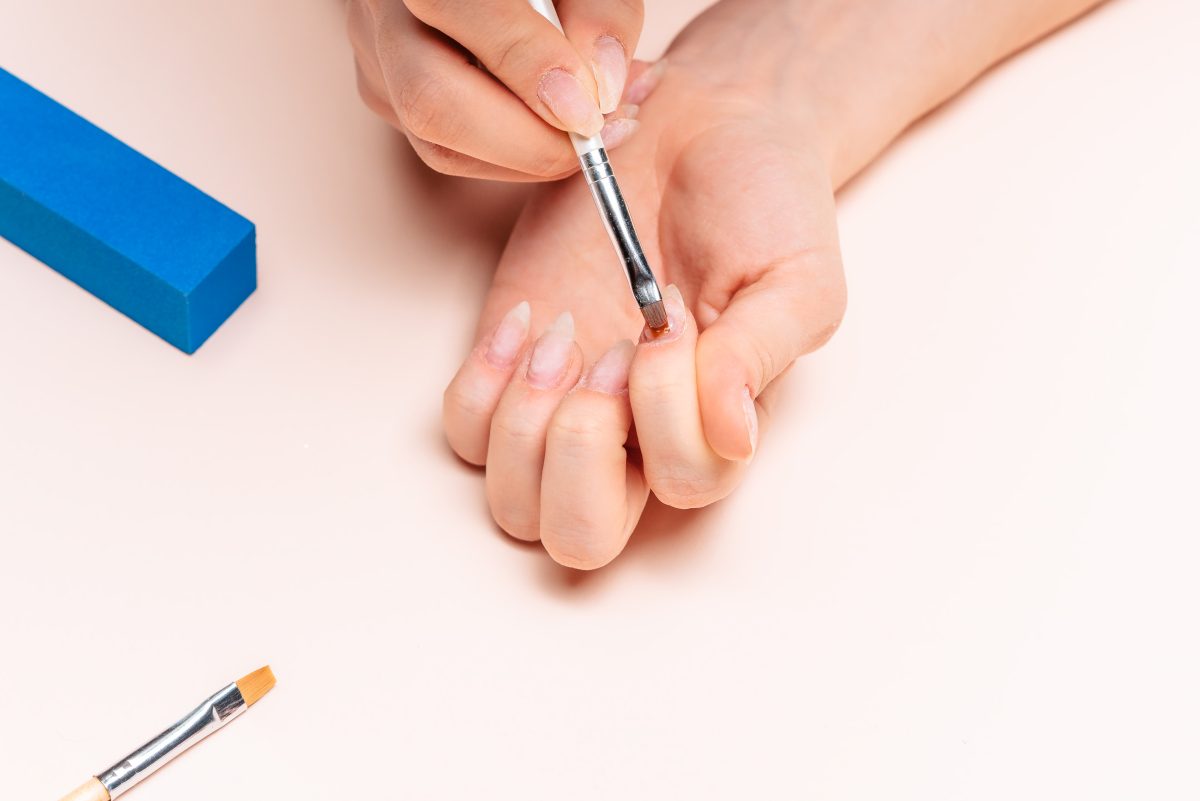
An acrylic fill is a maintenance service performed on acrylic nail enhancements to fill the gap between the cuticle and the existing acrylic product caused by natural nail growth.
As the natural nail grows, a visible gap appears near the cuticle area. Instead of removing the entire set, the technician:
- Removes lifted or grown-out product
- Rebalances the structure
- Applies new acrylic near the cuticle
- Blends and refines the surface
- Restores strength and shape
In essence, acrylic fills help maintain the integrity of the original enhancement while extending its lifespan.
Why Acrylic Fills Are Important in Nail Services
Acrylic fills are not just cosmetic—they are structural and essential for nail health and durability.
- Maintain Nail Balance and Structure
- As nails grow, the apex shifts forward. Without a fill, this imbalance can cause stress points, leading to breakage or lifting.
- Prevent Lifting and Water Exposure
- One of the most common issues in acrylic nails is lifting near the cuticle. Regular fills help seal this area properly and reduce moisture exposure.
- Improve Client Retention
- Clients return every 2–3 weeks for maintenance, making fills a consistent revenue stream for salons.
- Protect Natural Nails
- When properly maintained, acrylic fills help prevent unnecessary removal, reducing damage to the natural nail plate.
When Should Acrylic Nails Be Filled?
Timing is crucial in professional nail maintenance.
Generally, acrylic fills should be performed:
- Every 2 to 3 weeks for average nail growth
- Every 2 weeks for fast-growing nails
- Up to 4 weeks only if growth is minimal and no lifting is present
Signs a Fill Is Needed:
- Visible gap near cuticle
- Lifting on sides or stress area
- Uneven apex or imbalance
- Rough or grown-out appearance
- Client discomfort or snagging
If more than 40% of the nail is lifted or damaged, a full removal and new set may be more appropriate.
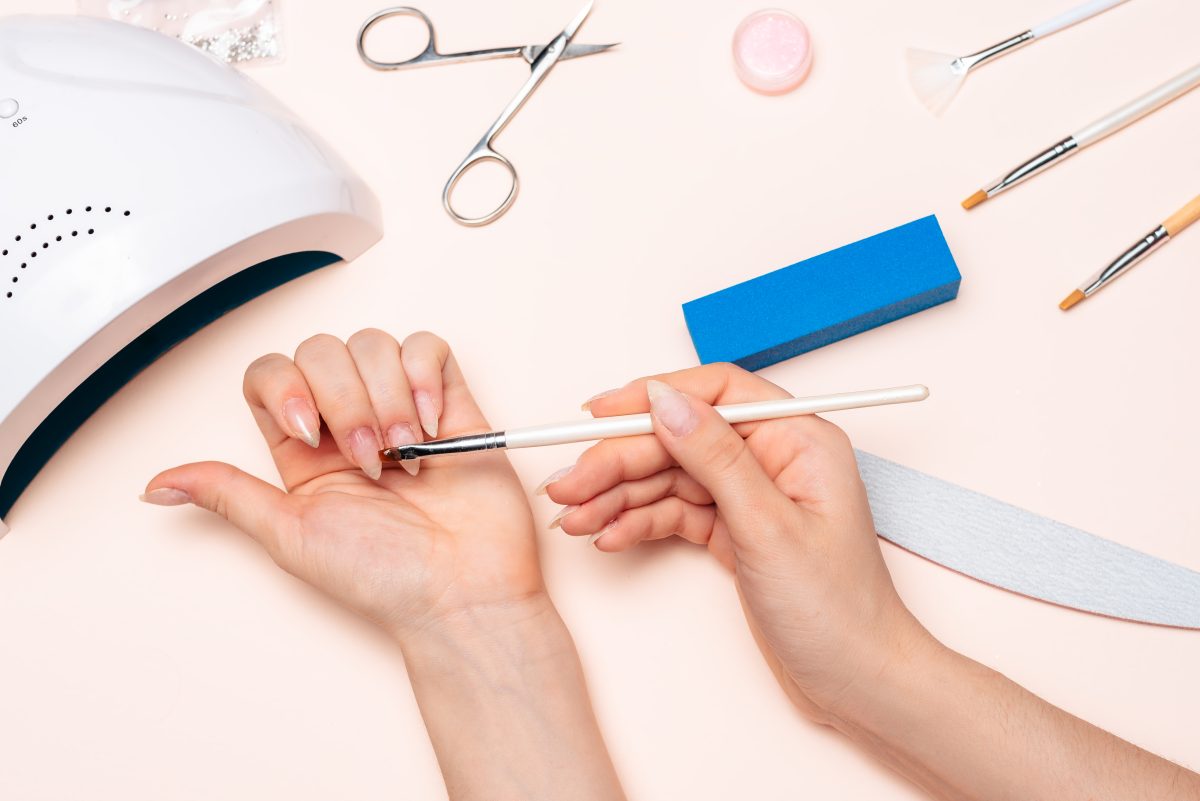
Step-by-Step Professional Acrylic Fill Technique
A proper acrylic fill requires precision and structure. Here is a salon-standard method:
Sanitize and Prep the Nail
Begin by disinfecting hands and tools. Push back cuticles and gently remove dead tissue from the nail plate.
Remove Lifting and Overgrown Product
Carefully file away lifted acrylic and thin out the regrowth area. This ensures proper adhesion.
Balance the Structure
Assess the apex. File down any bulk or imbalance to prepare for rebalance.
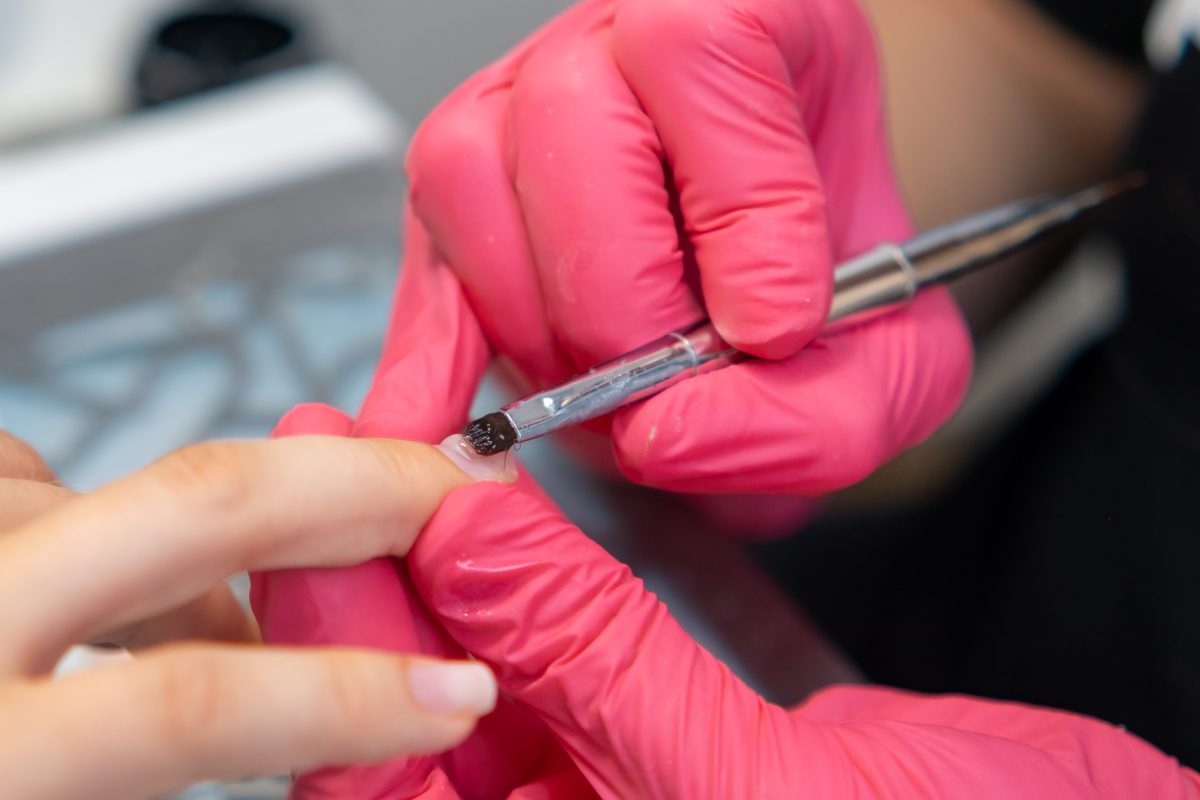
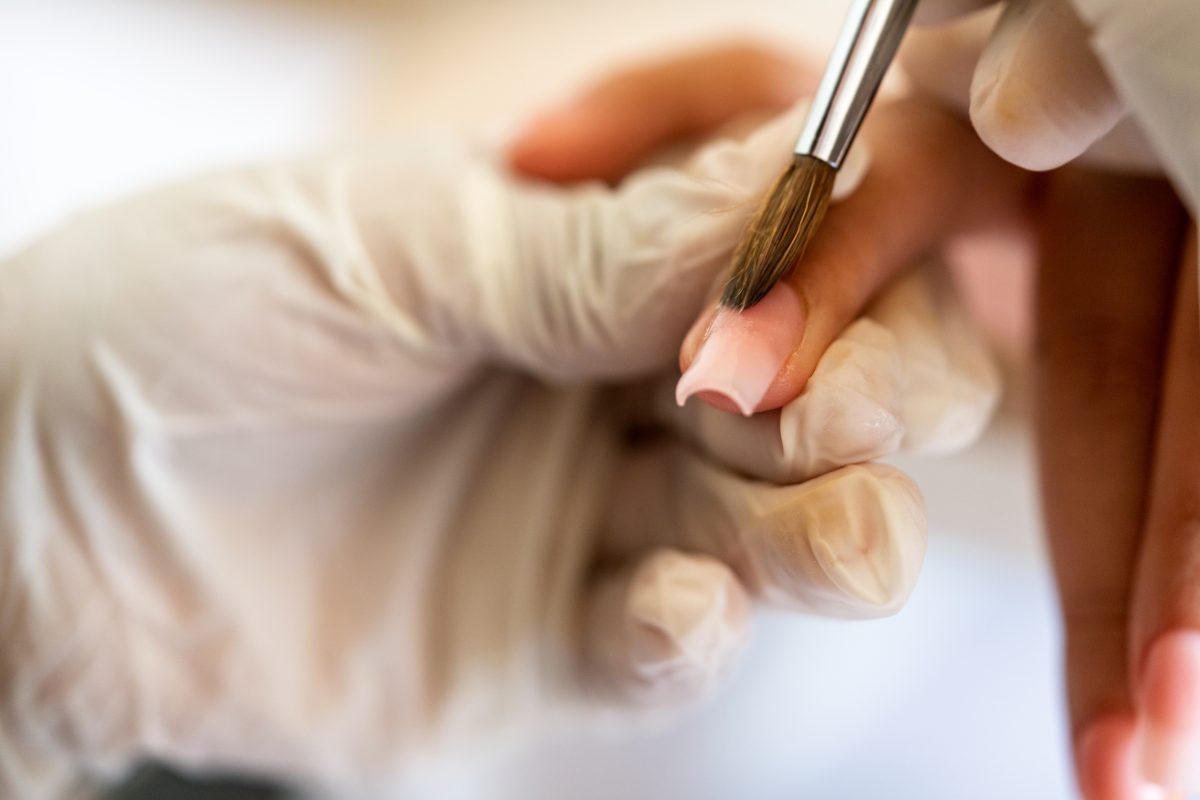
Apply New Acrylic
Place acrylic near the cuticle area, ensuring a seamless blend with the existing product. Build structure carefully toward the apex.
Sanitize and Prep the Nail
Begin by disinfecting hands and tools. Push back cuticles and gently remove dead tissue from the nail plate.
Shape and Refine
File the nail to desired shape—square, coffin, almond, or stiletto—while maintaining symmetry.
Buff and Finish
Smooth the surface using a buffer. Apply top coat or finish according to salon service (gel polish or shine buff).
Professional Tips for Nail Technicians
To elevate your acrylic fill service:
- Always assess nail structure before starting
- Never skip dehydration and primer
- Use thin layers to avoid bulkiness
- Maintain consistent apex placement
- Educate clients during every appointment
- Keep tools sterilized for safety and professionalism
Acrylic Fill vs Full Set – What’s the Difference?
Understanding when to fill versus when to apply a new set is essential for professionals.
| Service | Purpose | When to Use |
|---|---|---|
| Acrylic Fill | Maintenance and rebalance | Every 2–3 weeks |
| Full Set | New enhancement | First application or major damage |
Key Difference:
A fill works with existing structure, while a full set rebuilds the entire nail enhancement from scratch.
Common Problems in Acrylic Fills (And How to Fix Them)
Even experienced technicians face challenges. Here are the most common issues:
Cause: Improper prep or moisture contamination
Solution: Improve dehydration and ensure proper cuticle sealing
Cause: Excess product buildup
Solution: Refine structure during application and file apex correctlym
Cause: Old product not properly blended
Solution: Always thin and blend transition zone before applying new acrylic
Cause: Poor balance assessment
Solution: Always check apex alignment before finishing
Acrylic Fill Aftercare Tips for Clients
Aftercare is essential for long-lasting results.
Recommend clients:
- Avoid using nails as tools
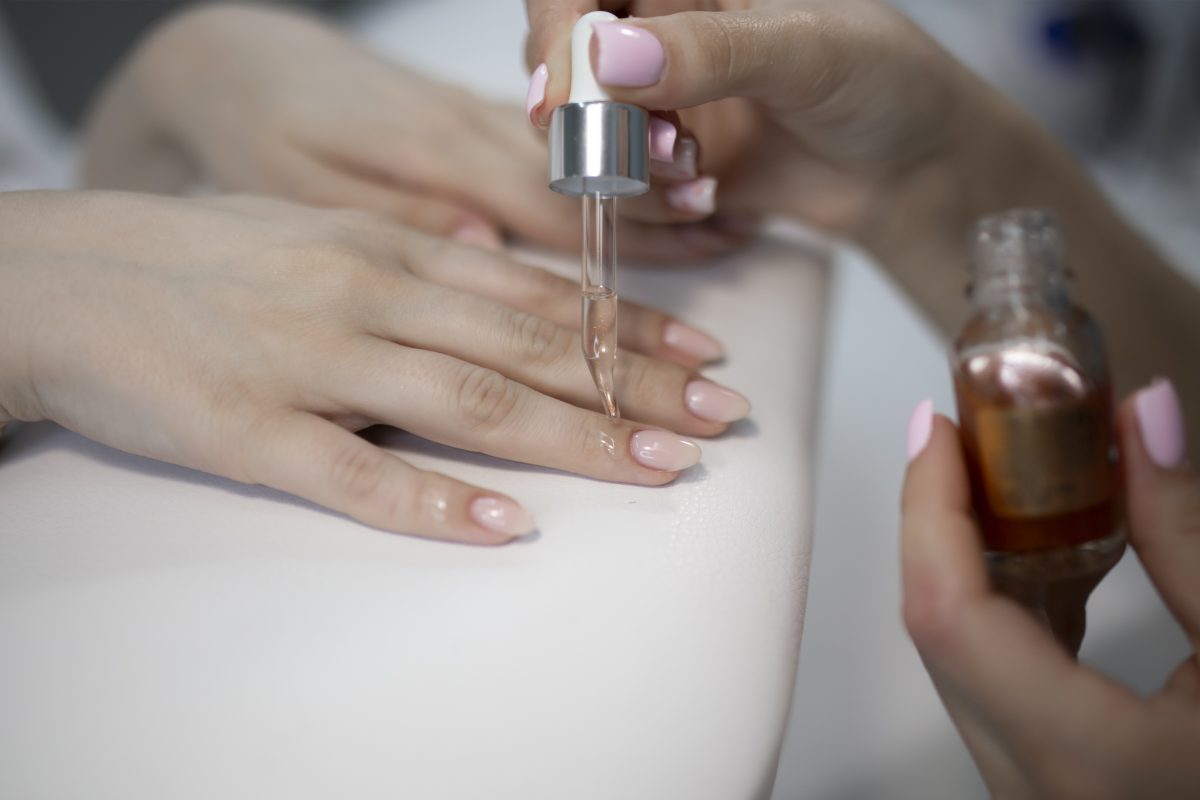
- Apply cuticle oil daily
- Wear gloves when cleaning
- Avoid excessive water exposure
- Book fills every 2–3 weeks consistently
Proper aftercare reduces lifting and improves retention significantly.
FAQs
Acrylic fills are maintenance services that replace the grown-out gap between the cuticle and existing acrylic enhancement.
Most clients require fills every 2 to 3 weeks depending on nail growth and lifestyle.
Yes, as long as the product is still secure and less than 40% lifted or damaged.
Lifting usually occurs due to improper prep, moisture exposure, or incorrect application technique.
Delayed fills can cause imbalance, breakage, lifting, and potential damage to the natural nail.
A fill is ideal for maintenance, while a full set is necessary when starting fresh or when damage is too extensive.
When done correctly by a professional, acrylic fills do not damage natural nails and actually help protect them.