

Nail primers are essential products in the nail enhancement process, serving as the critical first step for achieving long-lasting results.
Their primary purpose is to improve the adhesion of nail products, such as gel polish, acrylics and nail enhancements, by creating a suitable surface for better bonding. By applying a nail primer, professionals can minimize the risk of lifting and peeling, ensuring that manicures maintain their flawless appearance over time. This simple yet effective preparation technique not only enhances the durability of nail applications but also contributes to overall client satisfaction, making it a vital aspect of professional nail care.
Types of Nail Primers
When selecting the right nail primer, it’s crucial to understand the two primary categories: acid-based and acid-free primers. Each type has distinct characteristics and applications that cater to various nail enhancement needs. For instance, acid-based primers provide strong adhesion, making them ideal for securing acrylics and gels. Conversely, acid-free primers offer a gentler alternative that is suitable for sensitive nails. By recognizing these differences, nail professionals can effectively tailor their choice of primer, ensuring optimal results while enhancing the longevity of their nail enhancements.
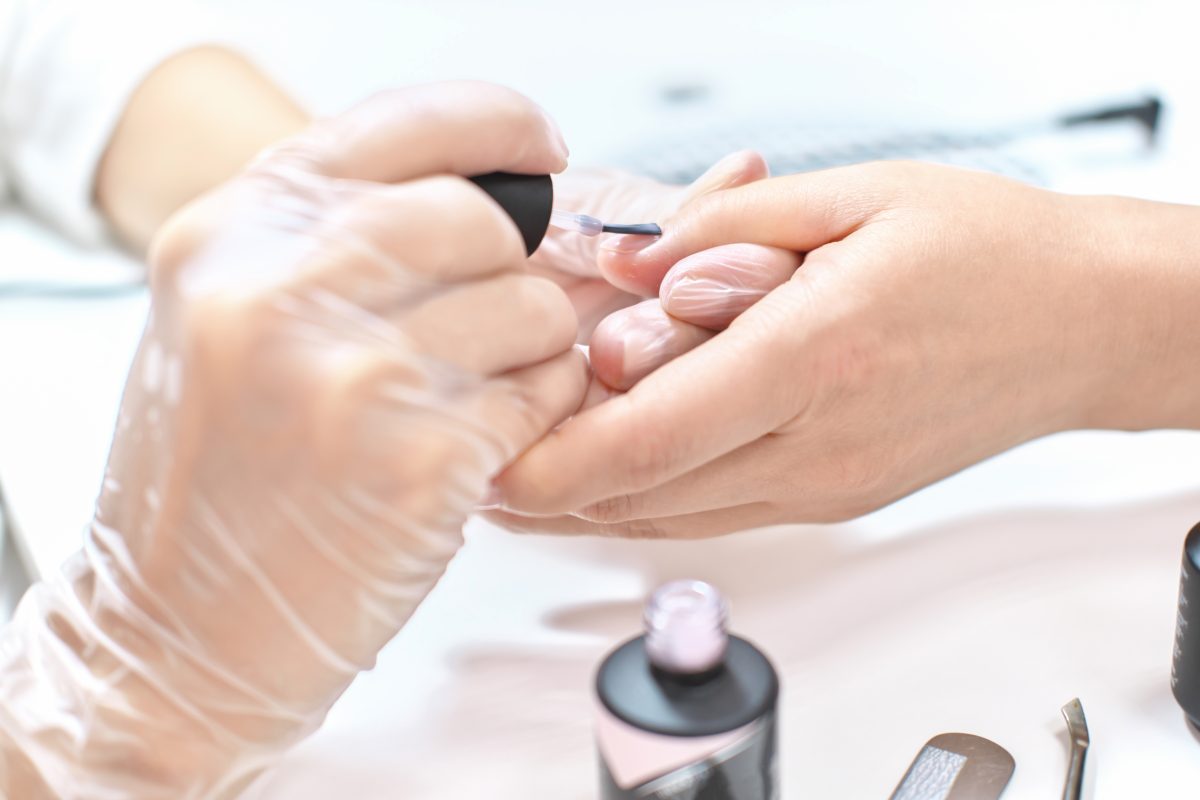
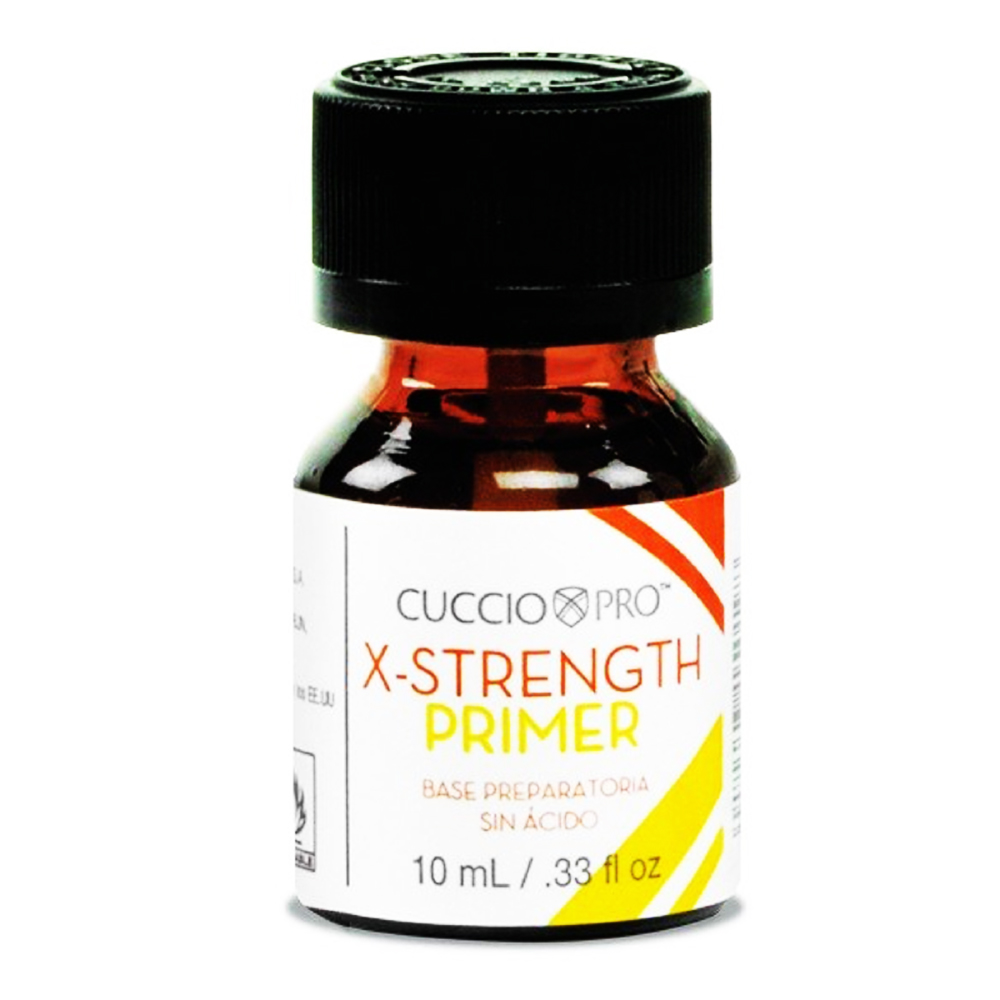
Acid-Based Primers
Acid-based primers are known for their powerful bonding properties, making them a popular choice among nail professionals for various nail enhancements. These primers contain methacrylic acid, which etches the surface of the natural nail, creating a rough texture that significantly improves adhesion. As a result, they are particularly effective for securing acrylics and gel polishes, reducing the likelihood of lifting and enhancing the longevity of the manicure.
When using acid-based primers, professionals should follow these key steps:
- Preparation: Ensure nails are clean and dry before applying the primer.
- Application: Use a small amount of primer, carefully brushing it onto the natural nail while avoiding the surrounding skin.
- Drying Time: Allow the primer to dry for approximately 30 seconds to one minute before proceeding with acrylic or gel application.
Despite their effectiveness, certain precautions should be taken with acid-based primers:
- Irritation Risk: These primers can cause irritation or sensitivity, especially for clients with delicate skin or nail conditions. Conducting a patch test on a small area is advisable for first-time clients.
- Post-Application Care: Always follow up with a hydrating product after nail enhancements to mitigate potential dryness caused by the acid.
Acid-Free Primers
Acid-free primers provide a gentler alternative to traditional acid-based options, making them particularly suitable for clients with sensitive nails or skin. Unlike acid-based primers that contain methacrylic acid, acid-free primers use a unique formulation designed to create a strong bond without the harsh effects. This ensures effective adhesion for gel polishes and acrylics while minimizing the risk of irritation or allergic reactions.
When using acid-free primers, professionals should consider the following key points:
- Versatility: Acid-free primers are suitable for a wide range of nail types, including natural, artificial, and weak nails, making them an excellent option for various clients.
- Nail Integrity: These primers help maintain the natural nail’s integrity by reducing the potential for damage that can occur with more aggressive formulations.
For optimal application, professionals should follow these steps:
- Preparation: Ensure that nails are clean and free from oils or debris before applying the primer.
- Application: Use a small amount of primer, applying it evenly across the nail surface.
- Drying Time: Allow the primer to air dry for a brief period before proceeding with enhancements.

Benefits of Using Nail Primers
- Enhanced adhesion for a stronger bond between natural nails and enhancements, which reduces lifting and peeling.
- Longer-lasting results due to improved adhesion that requires fewer touch-ups.
- Damage prevention for natural nails from lifting or chipping.Versatility for use with various enhancements, including gels, acrylics, and nail polish.
- Reduced allergic reactions when using acid-free primers, making them suitable for sensitive clients.
- Improved appearance that leads to a smoother surface for enhancements, ensuring a polished finish.
- Faster application as effective adhesion allows professionals to work more efficiently.
- Increased client satisfaction from higher service quality and durability, encouraging repeat business.
How to Apply Nail Primers
- Start with clean nails by removing any old polish and thoroughly washing hands to eliminate oils and debris.
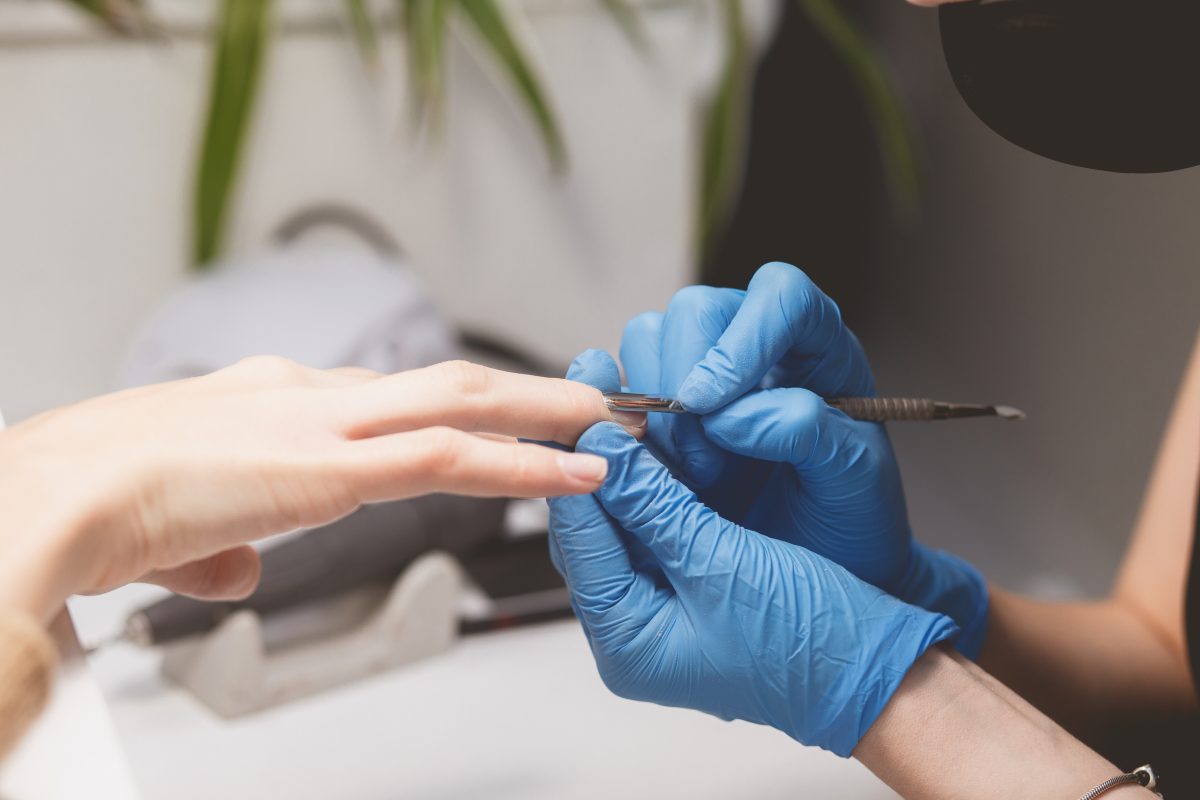
- Gently push back the cuticles to ensure a smooth application surface.
- Buff the natural nail lightly to create a rough texture, which helps with adhesion.
- Use a lint-free wipe or brush to remove any dust or particles from the nails.
- Choose the appropriate primer based on the client’s nail type and desired enhancements (acid-based or acid-free).
- Apply a small amount of primer to a clean brush or applicator.
- Carefully brush the primer onto the natural nail, covering the entire surface while avoiding the cuticles and surrounding skin.
- Allow the primer to air dry according to the manufacturer’s instructions, usually for about 30 seconds to one minute.
- Proceed with the application of gel polish, acrylics, or other enhancements as desired.
- Finish by following up with any additional products needed for the enhancement process, ensuring optimal results.
Common Mistakes to Avoid
- Skipping clean-up by not washing hands or removing old polish can lead to poor adhesion.
- Ignoring cuticles by applying primer over cuticles or not pushing them back affects the nail surface.
- Skipping buffing means the primer won’t stick as well.
- Over-priming by using too much primer can make the nails too brittle.
- Skipping dehydration, as oily nails will prevent the primer from adhering correctly.
- Touching nails after cleaning can transfer natural oils back onto the nail surface.
- Rushing dry time without letting the primer dry completely can mess up the whole process.
- Using the wrong primer; different primers suit different nails, so it’s essential to pick the right one.
- Applying to skin can cause irritation or lifting.
- Mixing brands can lead to compatibility issues with primer and polish.
FAQ
Nail primers are products applied to the natural nail before enhancements to improve adhesion. They help create a stronger bond between the natural nail and the enhancement, reducing the likelihood of lifting and ensuring longer-lasting results.
When selecting a nail primer, consider the client’s nail type, any sensitivity issues, and the desired enhancement. Acid-free primers are ideal for sensitive nails, while acid-based primers work well for strong adhesion on tougher nail types.
Nail primers should be used each time you apply enhancements to ensure optimal adhesion and performance.
Primers are generally compatible with most nail enhancements, including gels, acrylics, and polishes. However, ensure that the primer type matches the specific product you’re using for the best results.
You can purchase high-quality nail primers in Canada for wholesale at Nails R Us. They offer a wide range of professional nail products, including various types of nail primers suitable for different applications.