
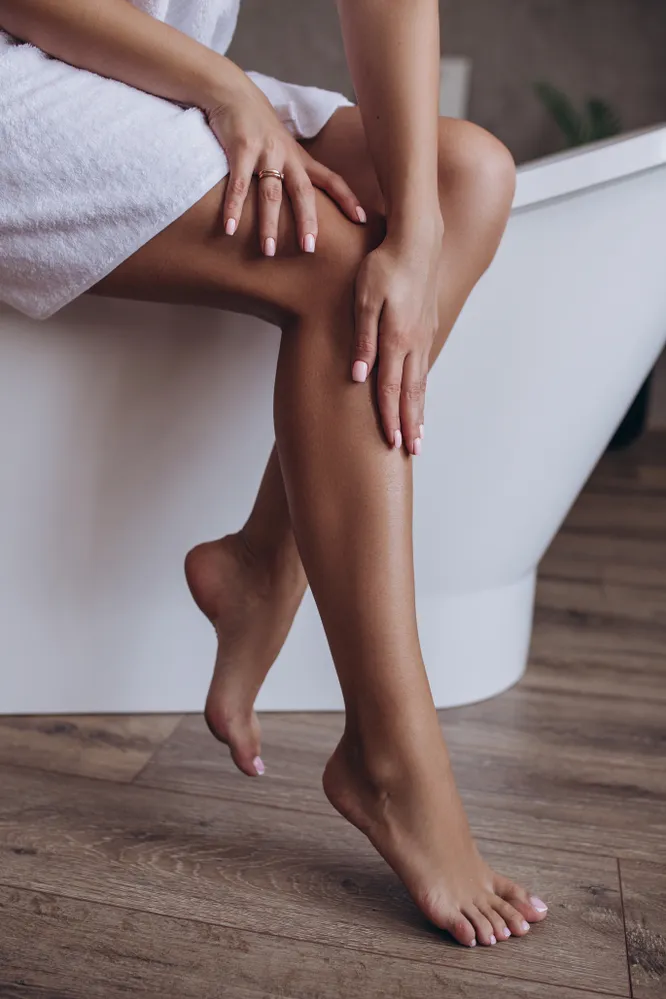
Explore waxing—an essential service for smooth hair removal that attracts new clients and ensures steady income.
As a beauty professional, you wield the power to turn the desire for smooth and flawless skin into a reality. Waxing, a highly effective and popular method, not only delivers long-lasting results but also offers clients a comfortable and relaxing experience when executed with precision. The versatility of waxing extends to almost every part of the body, including sensitive areas like the face, underarms, and bikini zone, making it a staple service in any beauty salon. To elevate client satisfaction, prioritize high-quality waxing products that are both safe and gentle on the skin. Employing the right waxing techniques is equally crucial to ensure a pain-free experience. Remember, a seamlessly smooth hair removal process guarantees happy and satisfied clients.
Best Practices for Optimal Hair Removal Results
Hair removal has been a part of human hygiene and beauty routines for centuries, with professionals constantly seeking new and effective ways to get rid of unwanted hair. Nowadays the beauty industry offers a wide variety of hair removal methods to cater to different preferences and needs. From the traditional to the modern, hair removal techniques vary in effectiveness, duration, and cost, making it crucial to understand the different options available.
Explore some of the most popular methods below, their benefits and drawbacks and how to choose the right method for clients. Whether your clients are looking for a quick fix or a more long-term solution, you can help them by offering the best techniques for hair removal to help them have smooth, silky skin that they can feel confident in.
Pre-Waxing Techniques
Before starting a waxing session, a professional should take certain precautions to ensure that the process is as safe and effective as possible.
Firstly the specialist should consult the client regarding any medication or allergies that they may have, as certain medications and skin conditions can make waxing unsuitable. Next the specialist should clean and sanitize the area to be waxed using a gentle cleanser, as any dirt or bacteria on the skin can increase the risk of infection. The use of gloves during the waxing process can also prevent the spread of bacteria and ensure that the process is hygienic. The temperature of the wax should also be carefully monitored, as wax that is too hot can cause burns or discomfort, while wax that is too cold may not adhere to the hair properly.
Moreover, to minimize discomfort, the specialist can give the client a numbing spray or cream and use a pre-waxing oil to prepare the skin for the waxing process. Finally it is important to select the right wax for the client’s skin type and hair texture, as each skin and hair type has a specific wax type that should be used.
The Difference Between Hair Removal Product Types
Hard Wax
Hard wax has become an increasingly popular choice when it comes to hair removal among beauty professionals. Also known as stripless wax, hard wax offers a range of benefits over traditional soft wax. As, it adheres directly to the hair, making it a more efficient and effective method of hair removal.
One of the primary benefits of hard wax is its gentleness on the skin. Because it adheres directly to the hair and not the skin, it is less likely to cause irritation or redness. This makes it a particularly attractive option for clients with sensitive skin or those who are prone to discomfort during hair removal.
Another key advantage of hard wax is its suitability for smaller areas. This makes it an ideal choice for removing hair from areas such as the face, underarms, and bikini area, where precision is particularly important. Hard wax is also less painful than traditional waxing methods, making it a great option for clients who are new to waxing or have never had a hair removal service before.
Moreover hard wax is suitable for a wide range of clients, including those with thick or coarse hair. Because it adheres directly to the hair, hard wax is particularly effective at removing stubborn hair that may be more difficult to remove with traditional soft wax.
For beauty professionals, hard wax is a versatile and effective tool that can enhance their hair removal services. Offering hard wax as an option can attract a wide range of clients, from those with sensitive skin to those seeking a more comfortable hair removal experience. Additionally using high-quality wax heaters can save you time and help increase the overall profitability of your beauty business.
Soft Wax
Soft wax is a tried-and-true method of hair removal that has been a staple in the beauty industry for years. Many professionals prefer this versatile technique for its ability to effectively remove hair from larger areas of the body with speed and precision. However it’s important to keep in mind that soft wax can be more painful for your clients than other hair removal methods, particularly for those with sensitive skin.
When it comes to hair removal, soft wax is a popular choice for many clients who are looking for a quick and efficient experience. This method involves applying a thin layer of wax to the skin and then using a strip of cloth or paper to remove the hair. Soft wax is particularly effective for larger areas of the body such as the legs, back and chest, making it a great choice for clients who want to achieve smooth skin quickly.
However, it’s important to note that soft wax may not be the best choice for everyone. Clients with sensitive skin may experience more pain or irritation during the process, as soft wax adheres to both the hair and skin, making it more difficult to remove. This can cause redness or discomfort, which may be a concern for some clients. Additionally because soft wax requires a strip for removal, it may not be as precise as other methods, such as hard wax, when it comes to smaller areas of the body, like the face, underarms, and bikini area.
Moreover it’s important to consider individual client needs and preferences when selecting the best method of hair removal. With proper technique and care, soft wax can provide a smooth and efficient hair removal experience for clients of all skin types and hair textures.
Roll On Wax
Many beauty professionals use roll-on wax, as it is the most popular method of removing unwanted hair for their clients. This method involves using a rollerball applicator to apply a thin layer of warm wax onto the skin, followed by a strip of cloth or paper, which is then removed in a quick motion, taking the hair with it. The roll-on wax is heated in a specialized wax heater until it reaches a specific temperature that is comfortable for the client. The rollerball applicator allows for even distribution of the wax, ensuring that every hair is coated for maximum effectiveness.
Before applying the wax, the specialist should clean and sanitize the client’s skin to prevent infection or irritation. Once the wax is applied, the professional will wait a few seconds to allow it to cool slightly before using the strip to remove the wax and hair. The process is then repeated until all the unwanted hair has been removed.
Roll-on wax is particularly effective on large areas of the body, such as the legs, arms and back. It is also relatively quick and easy to use, making it a popular choice among beauty professionals. However it is important to note that the wax can be quite hot and may cause discomfort or irritation if not applied correctly. It is essential that the professional has a good understanding of the technique and knows how to use the wax safely and effectively.
Eyebrow Wax
Eyebrow waxing is a highly popular and sought-after beauty treatment, and it’s easy to see why. For clients looking to achieve a more defined and polished look, brow waxing can be a game-changer. By removing unwanted hair around the eyebrows, this technique can create a clean and polished appearance, making it a go-to option for many clients.
One of the key advantages of eyebrow waxing is that it’s a time-saving solution. As clients can have their eyebrows waxed every few weeks and enjoy a more defined and polished look without the daily maintenance.
Furthermore, eyebrow waxing can provide numerous benefits for the skin around the eyebrows. By exfoliating the skin, waxing removes dead skin cells and promotes the growth of fresh, new skin. This can leave the skin feeling incredibly soft and smooth, which is important for the delicate skin around the eyebrows.
Moreover consistent eyebrow waxing can also lead to less hair growth over time. By weakening the hair follicle, waxing can make it more difficult for hair to grow back. This can result in less hair growth over time, which means that clients may need to have their eyebrows waxed less frequently.
Beauty professionals can also benefit from offering eyebrow waxing services. With its high demand and relatively low overhead costs, this service can attract a wide range of clients, from those wanting a simple brow clean-up to those wanting a more dramatic transformation.
However it’s important to be cautious when performing eyebrow waxing to ensure that the eyebrows are not over-tweezed or shaped in a way that is not flattering to the client’s face shape. Additionally, because the skin around the eyebrows is delicate, it is important to use a gentle and precise technique when performing eyebrow waxing to avoid irritation or injury.

Remove Wax Professionally
The steps for proper wax removal depend on the type of wax used: soft wax or hard wax. Here are the main differences between them:
- Soft wax: This type of wax is applied thinly on the skin and removed with a strip of cloth or paper. To remove soft wax, the professional should:
- Pull the strip off the skin in the opposite direction of hair growth.
- Hold the skin taut with one hand while pulling the strip off with the other hand to minimize discomfort.
- Work in small sections to ensure that all the hair is removed evenly.
- Hard wax: This type of wax is applied thickly on the skin and removed without a strip. To remove hard wax, the professional should:
- Gently lift off the wax with the fingers or a spatula after it cools and hardens.
- Work slowly and carefully to avoid pulling the skin or causing irritation.
- Start at the edges and work toward the center of the waxed area to minimize discomfort and ensure a smooth finish.
Post-Waxing Techniques
After the waxing process is complete, the professional should take certain steps to soothe the client’s skin and prevent ingrown hairs.
Firstly the professional should remove any residual wax using an oil-based cleanser, as this will help to prevent irritation and soothe the skin. Next the specialist can apply a cooling gel or lotion to the skin to reduce redness and inflammation. Additionally the specialist can use a calming oil or cream to hydrate the skin and prevent dryness. Most importantly, to prevent ingrown hairs, the specialist should apply an exfoliating scrub to remove dead skin cells and promote hair growth in the correct direction.
It is also important to avoid tight clothing or excessive sweating for at least 24 hours after waxing, as this can increase the risk of infection or ingrown hairs. Finally professionals can advise the client to avoid exposure to direct sunlight or heat for at least 48 hours after waxing, as this can cause further irritation or discomfort.
Advantages of Using Wax for Hair Removal and Skin Health
Waxing is a highly effective method of hair removal that offers a range of benefits.
One of the most significant benefits of waxing is that it provides long-lasting results. Since this process removes the hair from the root, it can take up to six weeks for it to grow back. This is much longer than other methods of hair removal, such as shaving or using depilatory creams, which only remove hair from the surface of the skin.
Another benefit of waxing is that it leaves the skin feeling silky and smooth. Waxing not only removes hair but also exfoliates the skin, getting rid of dead skin cells and revealing fresh, new skin. This can leave the client’s skin feeling incredibly soft and smooth.
Moreover, waxing can reduce hair growth over time. Consistent waxing can weaken the hair follicle, making it more difficult for hair to grow back. This can lead to less hair growth over time.
Another advantage of waxing is that it eliminates the risk of cuts or nicks that can occur with other methods of hair removal. Shaving, for example, can easily lead to cuts or nicks, which can be both painful and unsightly. With waxing, however there is no risk of accidental cuts or nicks.
Furthermore, waxing is a versatile method of hair removal that professionals can use on almost any part of the client’s body, including the legs, arms, underarms, bikini area and face. This makes it a convenient and effective option for a wide range of clients.
Although the initial cost of waxing may be higher than other methods of hair removal, it’s more cost-effective in the long run because the results last longer. Clients can enjoy hair-free skin for a longer time, reducing the need for frequent treatments.
Great Wax = Great Skin
As a professional in the beauty industry, staying informed and knowledgeable about the latest hair removal techniques and trends is essential in providing your clients with the best service possible. With the variety of hair removal options available, understanding the benefits and drawbacks of each method will help you tailor your services to meet your client’s needs and ensure they leave your salon feeling confident and satisfied.
Overall, waxing can be a safe and effective hair removal method for those looking for longer-lasting results and smoother, healthier skin. With the variety of waxes available, as well as proper aftercare, waxing can be a comfortable and convenient way to remove unwanted hair.
FAQ
Waxing is a hair removal method where warm or hot wax is applied to the skin and then removed, along with the hair, in the opposite direction of hair growth.
Hair should be at least 1/4 inch long for effective waxing.
Waxing can be uncomfortable but the level of pain varies from person to person. Over time, the pain can be reduced with regular waxing.
It depends on the rate of hair growth and the client’s desired brow shape. Typically clients should schedule an eyebrow waxing appointment every 4-6 weeks to maintain their desired shape and prevent overgrowth.
In rare cases, clients may experience skin irritation or allergies after brow waxing. The client should inform the professional of any allergies or sensitivities before the waxing process and do a patch test before the full treatment.
The level of discomfort during eyebrow waxing varies from person to person but it is typically a quick and relatively painless process. Some clients may experience a slight stinging sensation during the waxing process, but this should subside quickly.
There are different types of wax, including hard wax, soft wax and sugar wax.
You should avoid hot baths, saunas and tight clothing for 24-48 hours after waxing, as well as to moisturize the skin regularly.
The esthetician will apply wax to the area and then remove it quickly in the opposite direction of hair growth.