
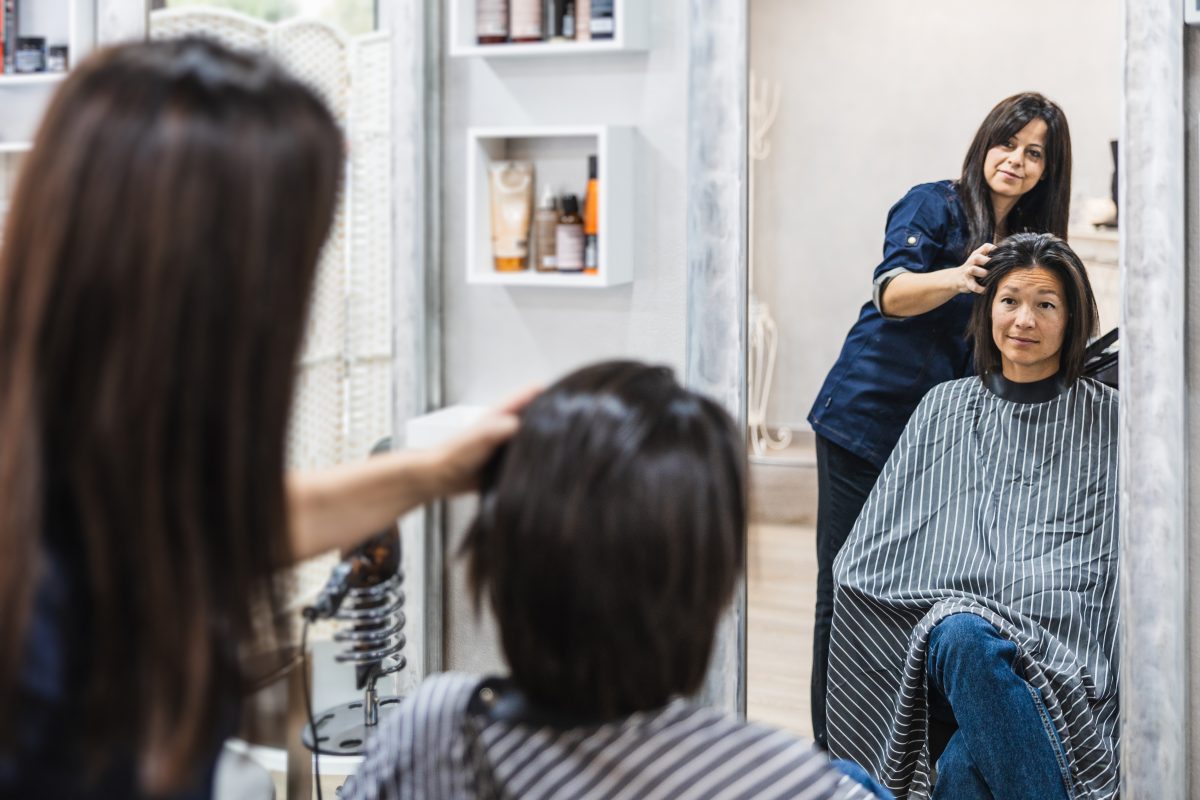
Healthy hair always starts with a healthy scalp. While many professionals focus primarily on hair texture and condition, understanding scalp types is equally important for achieving outstanding salon results.
Every client has unique scalp needs. Some struggle with excess oil, while others experience dryness, irritation, sensitivity, or product build-up. Correctly identifying scalp types allows salon professionals to recommend the right treatments, improve hair health, and deliver longer-lasting results.
Why Understanding Scalp Types Matters
- The scalp is living skin. Just like facial skin, it can be:
- Oily
- Dry
- Sensitive
- Combination
- Balanced
Using the wrong products can worsen existing scalp concerns, leading to irritation, itchiness, excessive oil production, or weakened hair growth.
- Professional scalp analysis helps:
- Build long-term client trust
- Improve treatment effectiveness
- Enhance client satisfaction
- Promote healthier hair growth
- Reduce common scalp concerns
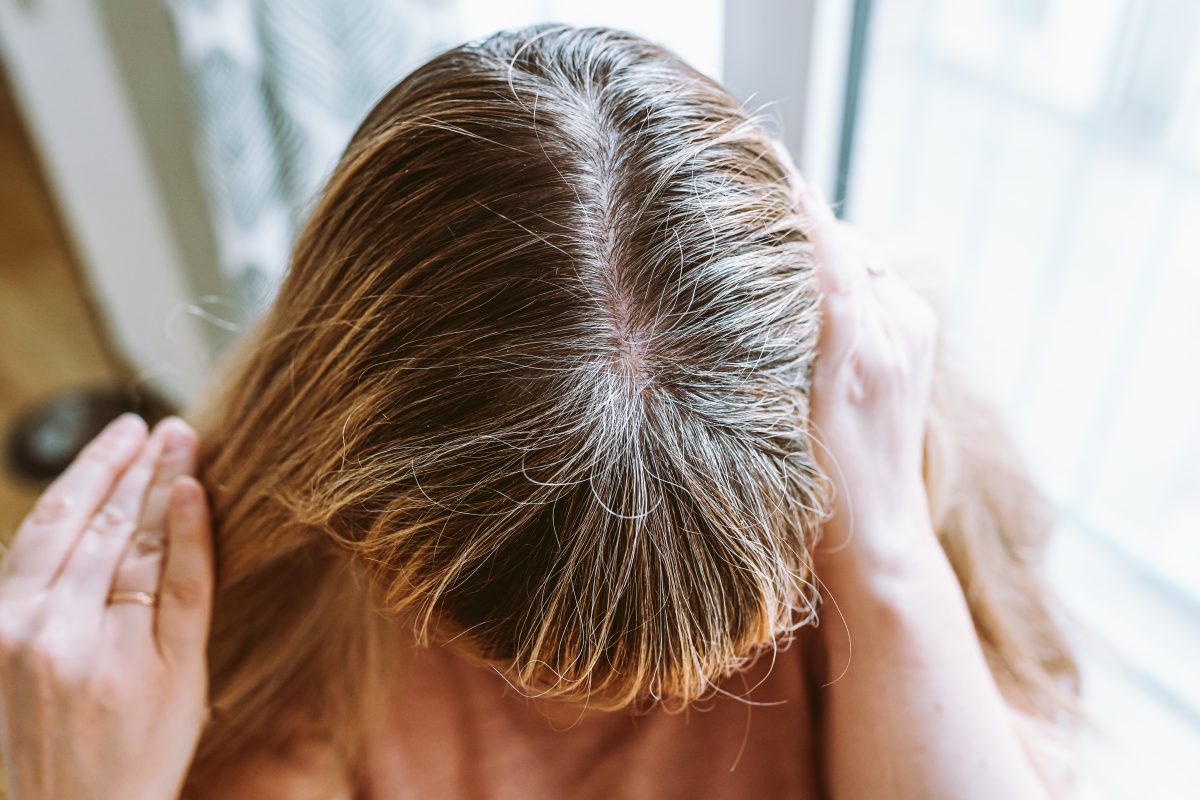
The 5 Main Scalp Types Every Professional Should Know
A normal scalp is balanced and healthy.
Characteristics
- Comfortable throughout the day
- No excessive oil
- No flaking
- Minimal sensitivity
- Healthy-looking hair
Professional Goal
Maintain the scalp’s natural balance while preventing future build-up.
Best Care
- Lightweight hydration
- Gentle cleansing
- Occasional scalp exfoliation
An oily scalp produces excess sebum, making hair appear greasy shortly after washing.
Common Signs
- Hair becomes oily within 24 hours
- Flat roots
- Product build-up
- Enlarged follicles
- Frequent washing needed
Common Causes
- Genetics
- Hormonal changes
- Overwashing
- Heavy styling products
- Humidity
Professional Recommendations
- Regular scalp detox services
- Clarifying treatments
- Scalp exfoliation
- Lightweight shampoos
A dry scalp lacks sufficient moisture and natural oils.
Unlike dandruff, dry scalp flakes are typically smaller and accompanied by tightness.
Symptoms
- Tight feeling
- Small white flakes
- Rough skin
- Mild itching
- Dull hair
Causes
- Cold weather
- Hot water
- Harsh shampoos
- Dehydration
- Environmental stress
Professional Care
- Nourishing scalp serums
- Moisturizing scalp treatments
- Sulfate-free cleansers
- Hydrating conditioners
A sensitive scalp reacts easily to environmental or cosmetic triggers.
Symptoms
- Burning sensation
- Redness
- Itching
- Tingling
- Irritation after coloring or styling
Common Triggers
- Fragrances
- Hair dyes
- Weather changes
- Stress
- Product ingredients
Professional Care
Choose calming products that strengthen the scalp barrier while avoiding harsh ingredients.
A combination scalp features oily roots with dry or sensitive areas.
This is increasingly common among clients who frequently style or chemically treat their hair.
Characteristics
- Oily crown
- Dry hairline
- Patchy irritation
- Product build-up in certain areas
Professional Approach
Customize treatments rather than using a one-size-fits-all solution.
Common Scalp Conditions vs. Scalp Types
Many professionals confuse scalp conditions with scalp types.
| Scalp Type | Scalp Condition |
|---|---|
| Normal | Dandruff |
| Oily | Psoriasis |
| Dry | Seborrheic dermatitis |
| Sensitive | Eczema |
| Combination | Folliculitis |
A scalp type is permanent or long-term, while a scalp condition often requires targeted treatment.
How to Identify Your Client’s Scalp Type
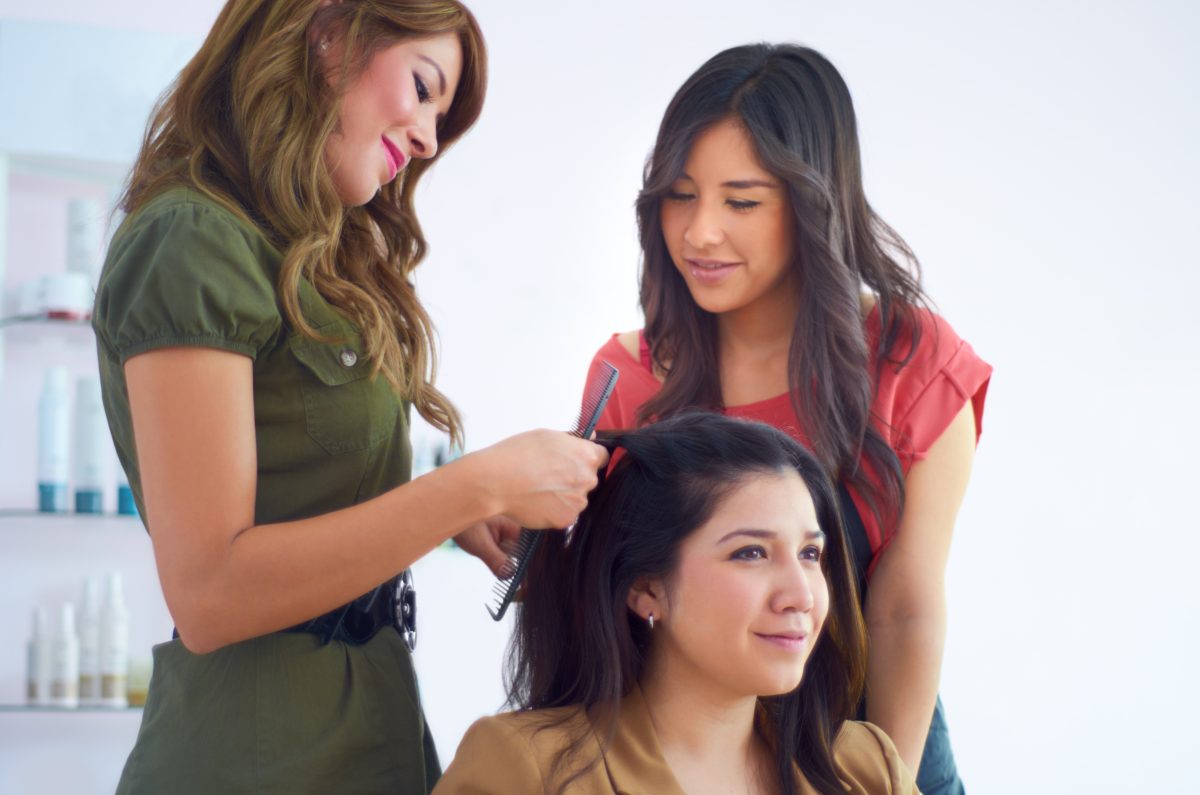
A professional scalp consultation should include:
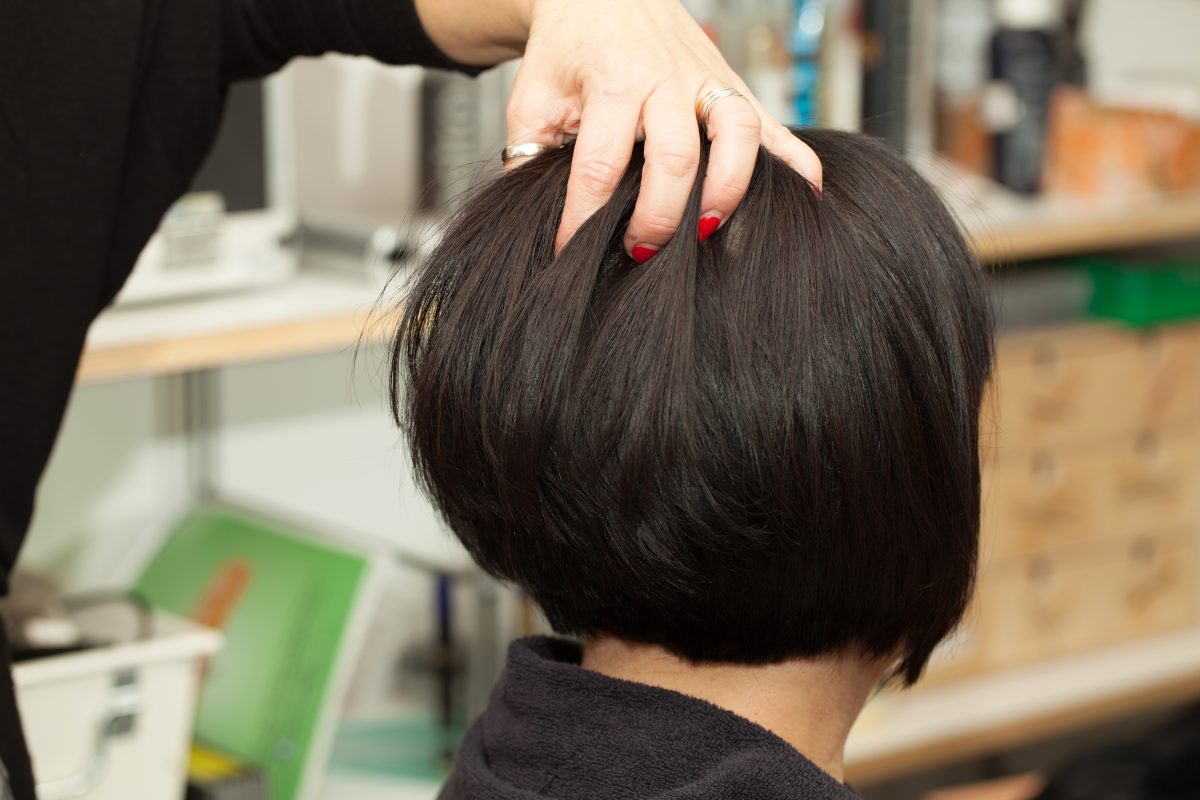
Visual Assessment
Look for:
- Hair density
- Oil production
- Redness
- Flakes
- Build-up
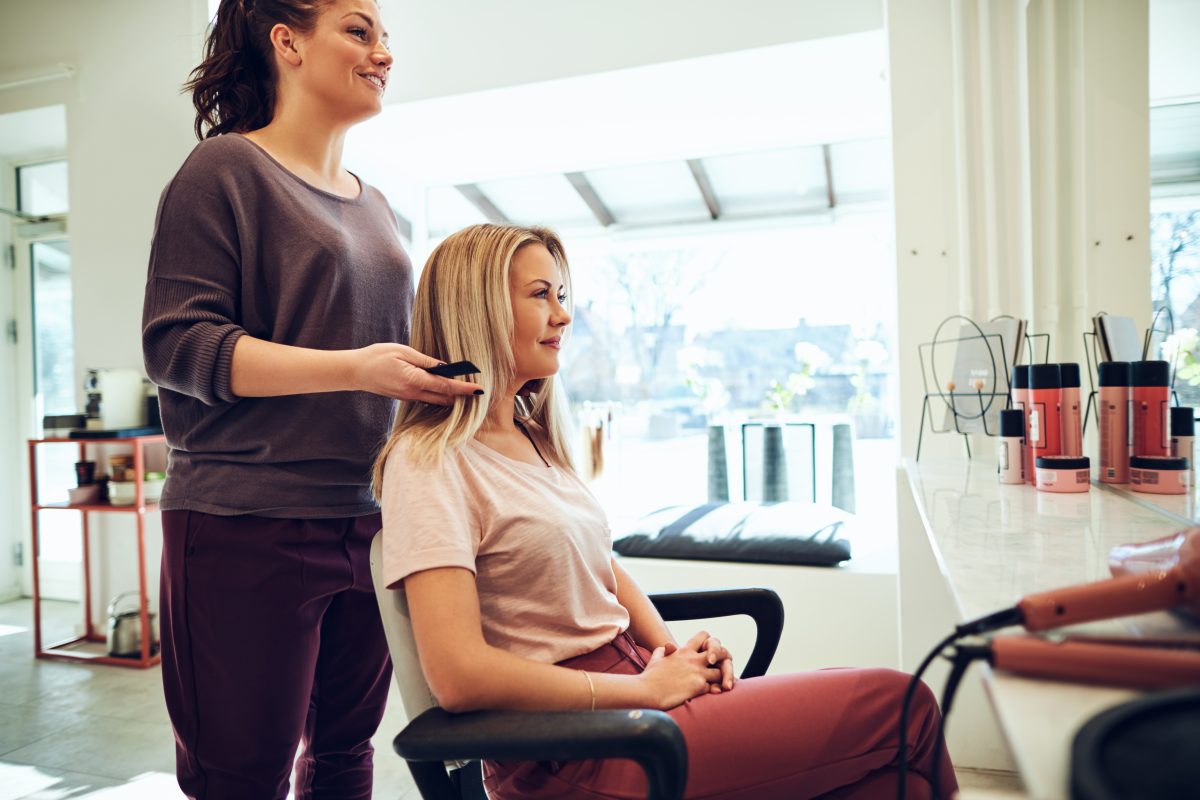
Client Questions
Ask:
- What products do you currently use?
- How often do you wash your hair?
- Does your scalp itch?
- Does your hair become oily quickly?
- Have you noticed sensitivity after coloring?
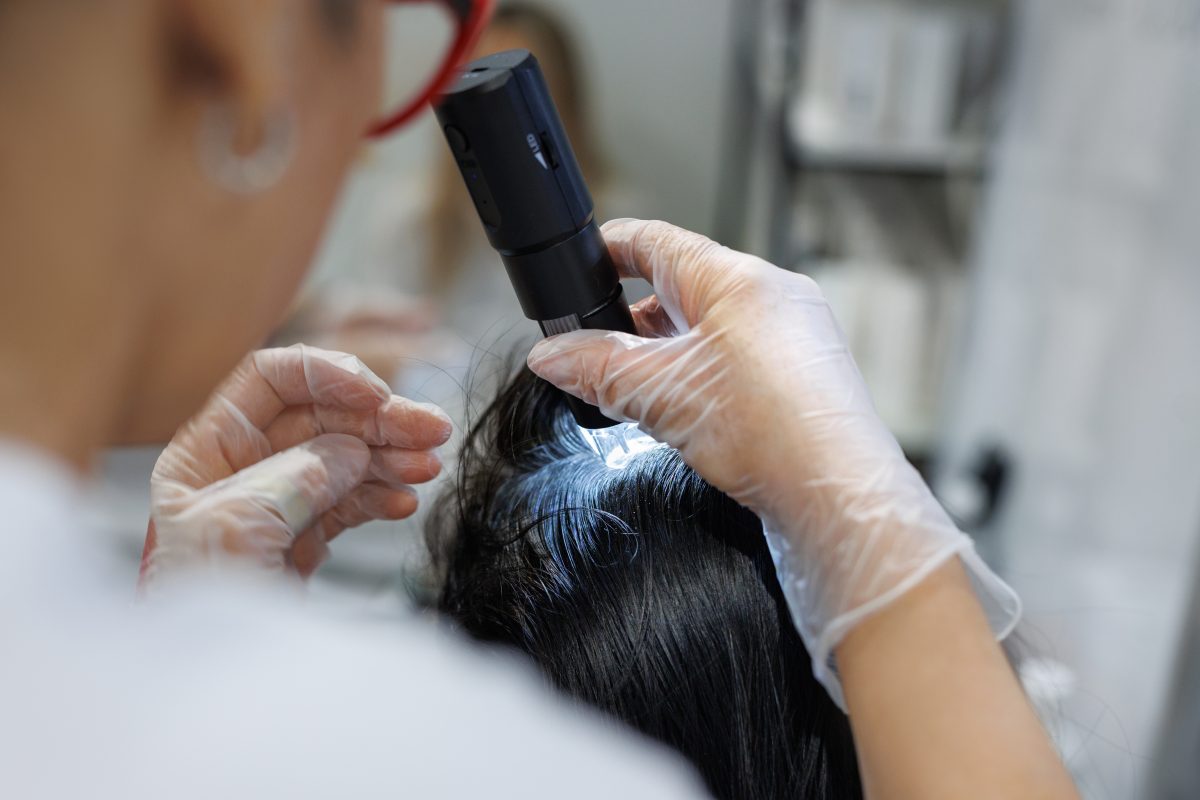
Hands-On Examination
Check:
- Tenderness
- Elasticity
- Moisture level
- Temperature
- Product residue
Professional Scalp Care Tips
- Cleanse Properly
- Choose shampoos according to scalp type rather than hair length alone.
- Exfoliate Regularly
- Professional scalp exfoliation removes dead skin, excess oil, and product build-up while creating a healthier environment for hair growth.
- Hydrate the Scalp
- Even oily scalps need balanced hydration.
- Avoid Product Overload
- Heavy styling products can clog follicles and increase scalp issues.
- Schedule Professional Treatments
- Regular in-salon scalp services improve long-term scalp health and enhance overall hair quality.
Professional Product Recommendations for Different Scalp Types
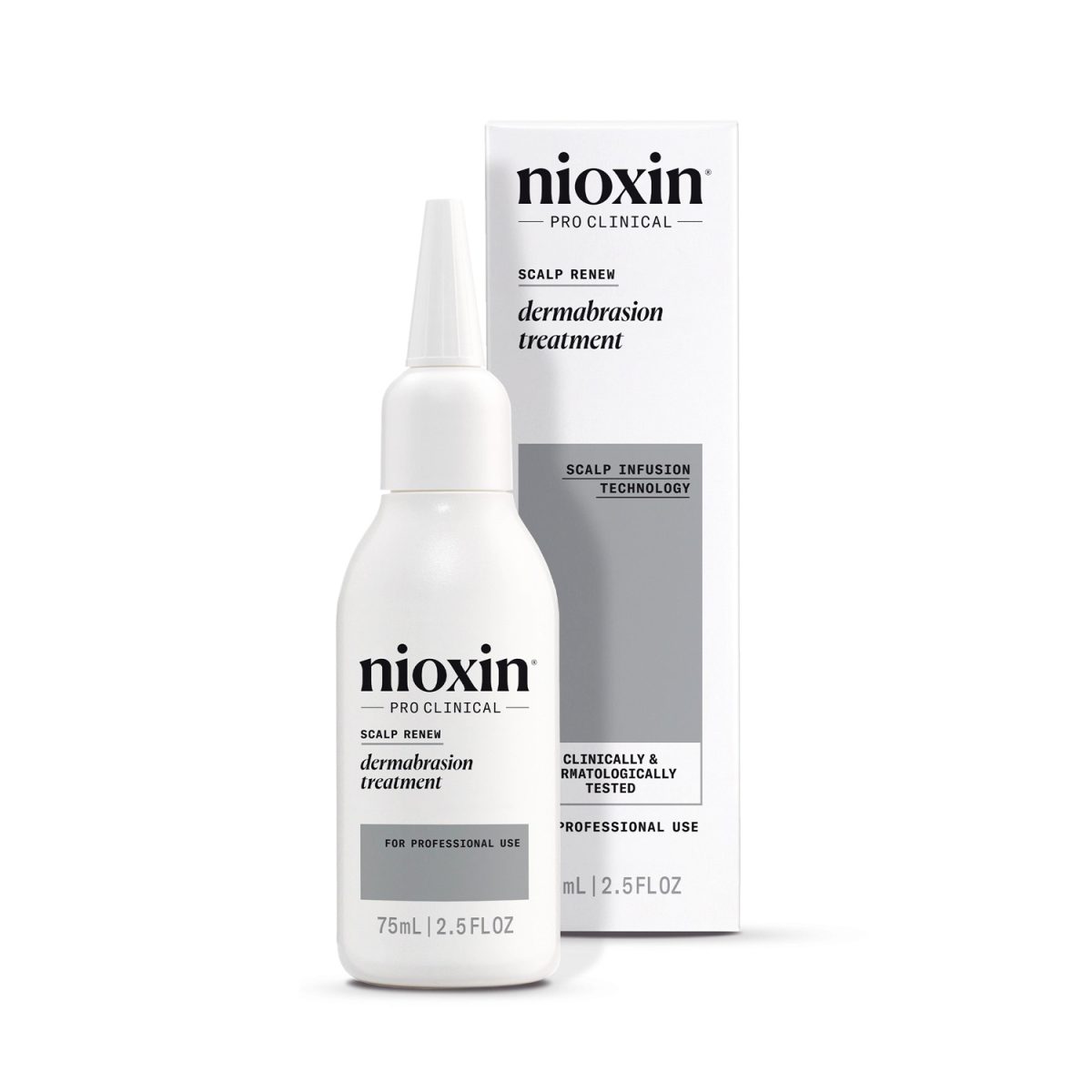
Nioxin Scalp Renew Dermabrasion Treatment
Best for: All Scalp Types
This professional in-salon scalp exfoliation treatment works like a facial for the scalp, removing impurities and excess build-up while promoting healthier skin renewal.
Key Benefits
- Removes product build-up
- Exfoliates dead skin
- Stimulates scalp circulation
- Refreshes and revitalizes the scalp
- Promotes a healthier scalp environment
- Suitable for all scalp types
- Gluten Free
- Cruelty Free
- Pregnancy Safe
- Colour Safe
Recommended Use
Professional salon treatment every 30–45 days for optimal scalp maintenance.
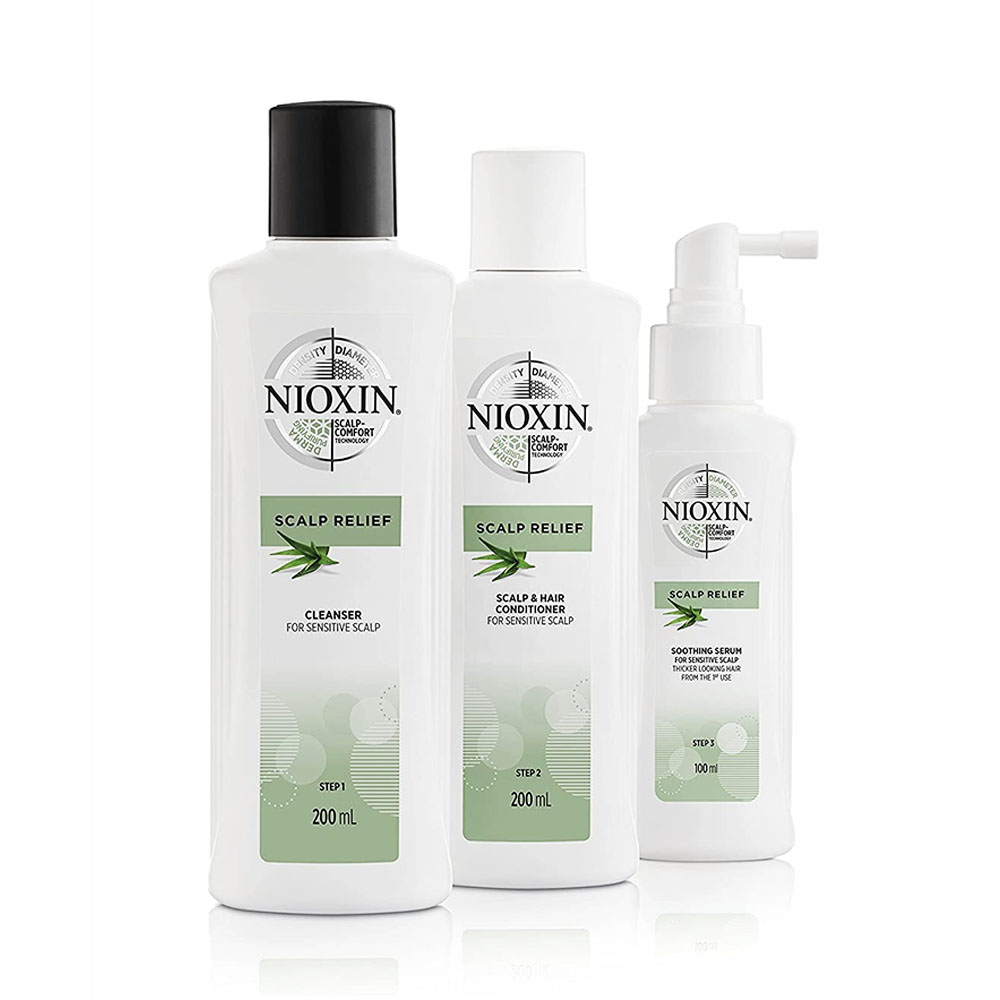
Nioxin Scalp Relief System
Best for: Sensitive, Dry & Itchy Scalps
This complete scalp care system helps soothe irritation while supporting thicker-looking hair from the first use.
Includes
- Scalp Relief Cleanser
- Scalp Relief Conditioner
- Scalp Relief Soothing Serum
Benefits
- Soothes scalp discomfort
- Strengthens the natural scalp barrier
- Helps increase hair thickness
- Aloe Vera and Niacinamide formula
- Free from parabens, sulfates, and colourants
Ideal for clients experiencing sensitivity, dryness, or itching.
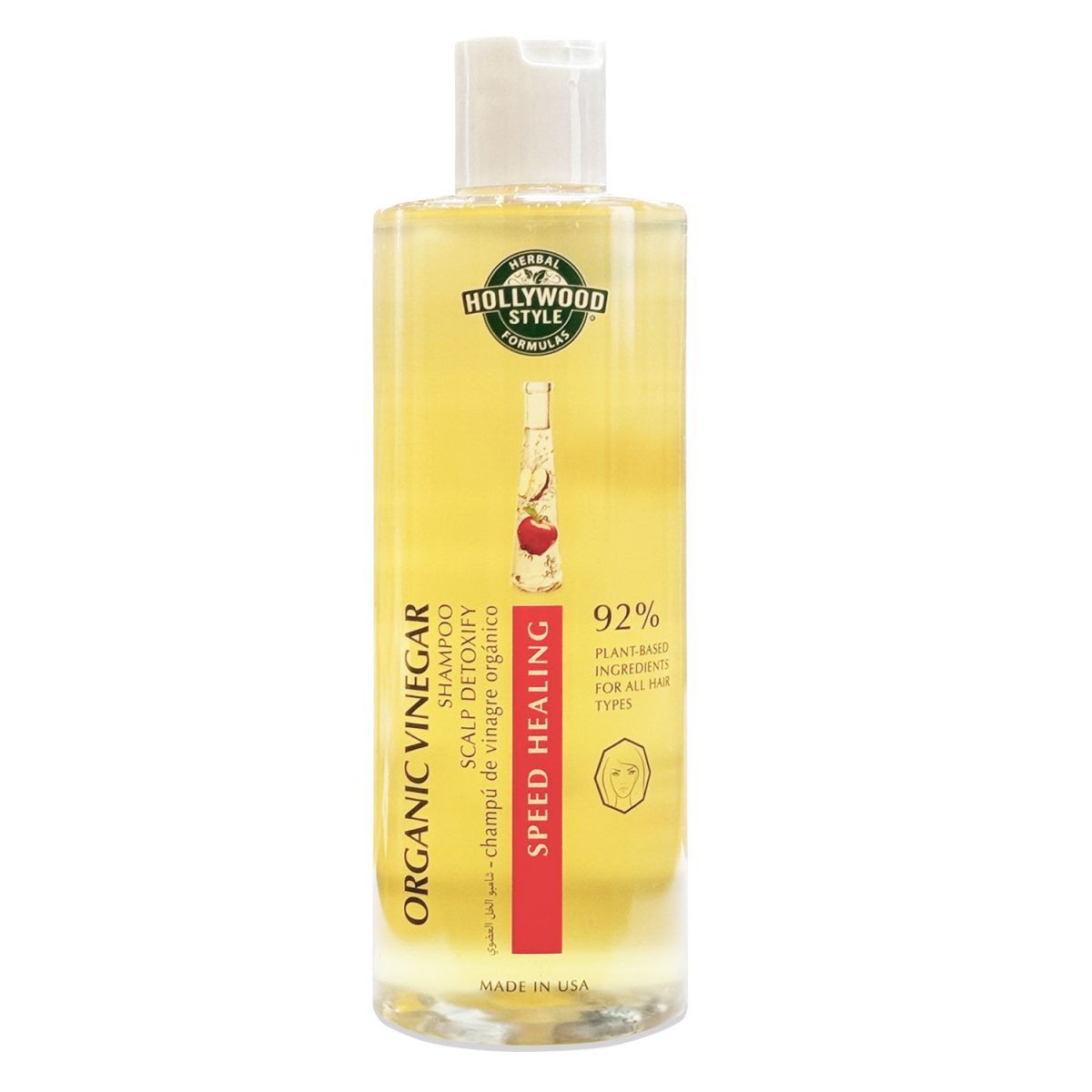
Hollywood Style Organic Vinegar Shampoo Scalp Detoxify
Best for: Oily & Build-Up Prone Scalps
Formulated with organic oils, herbal extracts, and natural vitamins, this gentle detoxifying shampoo deeply cleanses while maintaining scalp hydration.
Benefits
- Removes excess oil
- Detoxifies the scalp
- Sulfate Free
- Silicone Free
- Paraben Free
- Suitable for daily use
- Supports healthier-looking hair
Excellent for clients needing regular scalp purification without stripping natural moisture.
Scalp Types Comparison Chart
| Scalp Type | Main Concern | Best Treatment |
| Normal | Maintenance | Gentle cleansing + monthly exfoliation |
| Oily | Excess sebum | Clarifying shampoo + scalp detox |
| Dry | Lack of moisture | Hydrating shampoo + soothing serum |
| Sensitive | Irritation | Barrier-repair products + calming treatments |
| Combination | Mixed concerns | Customized scalp routine |
FAQs
Observe how your scalp feels within one to two days after washing. Oiliness, dryness, itching, tightness, and sensitivity are the biggest indicators. A professional scalp consultation provides the most accurate assessment.
Yes. Hormones, age, climate, stress, medications, and hair care habits can all influence your scalp type.
A dry scalp lacks moisture and usually produces small, dry flakes. Dandruff is commonly associated with excess oil and an overgrowth of scalp yeast, often causing larger, oily flakes and irritation.
Most professionals recommend a deep scalp treatment every 30–45 days, depending on the client’s scalp condition and lifestyle.
Yes. Regular scalp exfoliation removes dead skin, excess oil, and product residue, helping create a cleaner environment for healthier hair growth.
Combination and oily scalps are among the most frequently seen in salons, especially in clients who use styling products regularly.
Absolutely. A shampoo that doesn’t match your scalp type can contribute to dryness, irritation, excessive oil production, or product build-up.