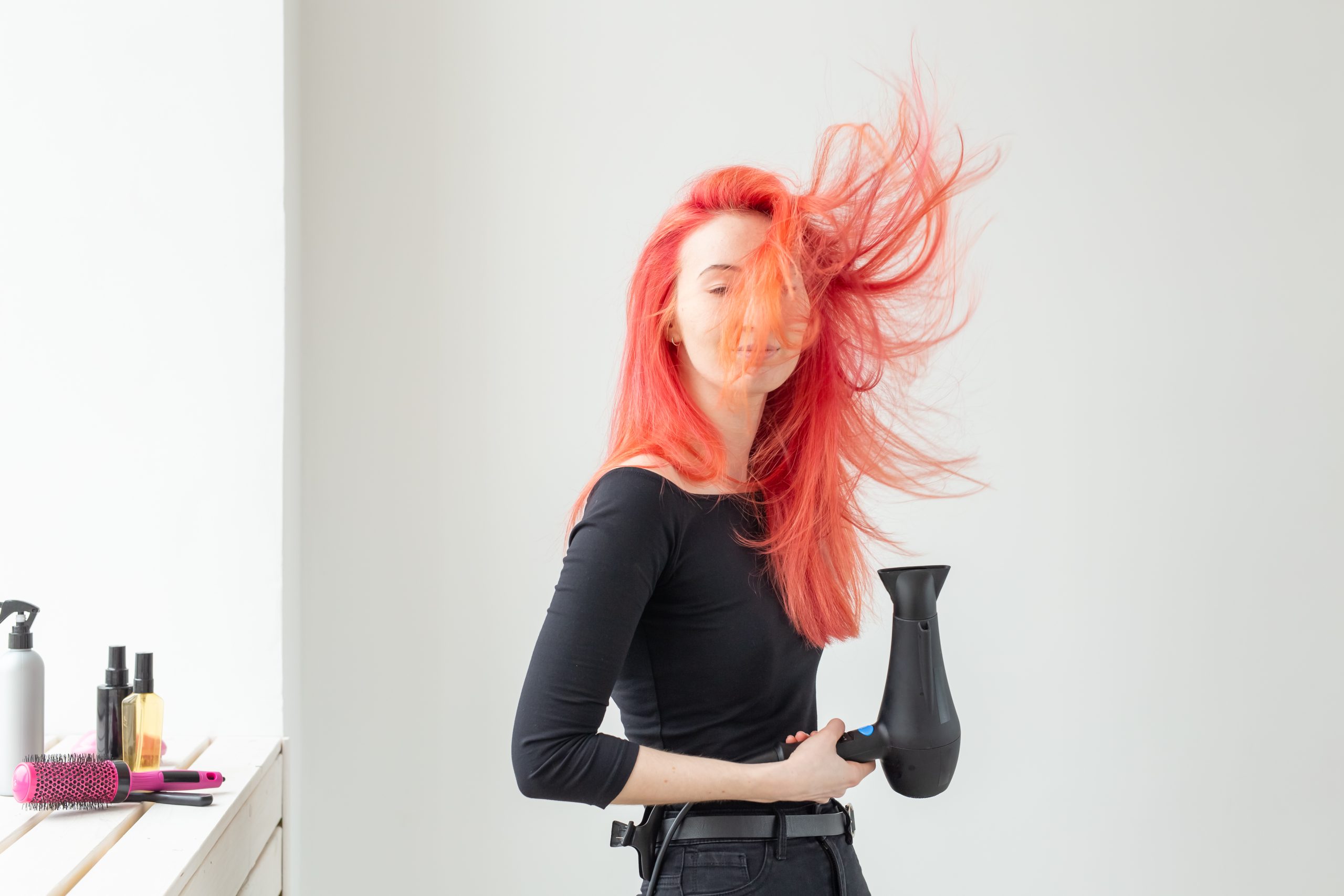
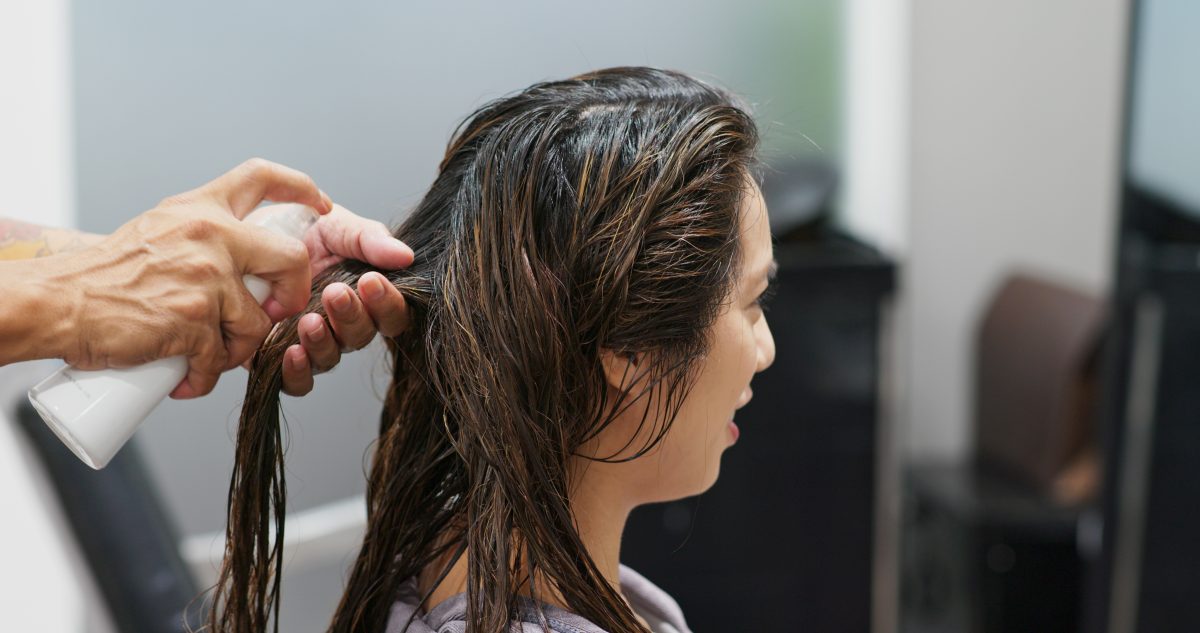
Heat damage recovery has become one of the most requested concerns in modern salons as more clients struggle with dryness, breakage, split ends and weakened hair caused by frequent styling with hot tools.
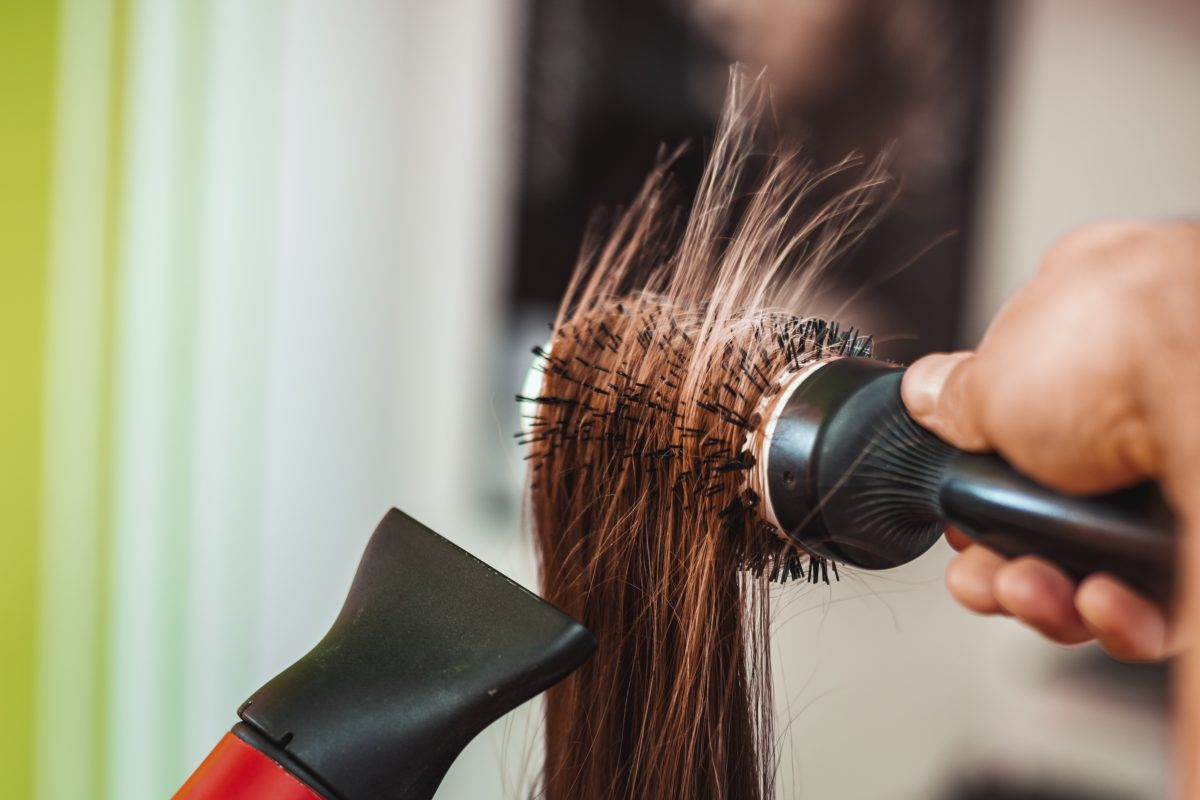
From flat irons and curling wands to high-heat blow dryers, excessive thermal exposure can gradually compromise the hair’s natural strength, elasticity, and shine.
However, restoring healthy hair is possible with the right professional approach. By combining targeted repair treatments, moisture restoration, protein balance, and healthier styling habits, professionals can help clients improve the appearance and condition of heat-damaged hair over time.
What Is Heat Damage in Hair?
Heat damage occurs when excessive or repeated exposure to high temperatures breaks down the hair’s natural protein structure, especially keratin and weakens the protective outer layer called the cuticle.
Once the cuticle is lifted or destroyed, moisture escapes easily, leaving the hair dry, brittle and prone to breakage.
Main Causes of Heat-Damaged Hair
Understanding the root cause is essential for professionals before recommending any treatment plan.
- Excessive Heat Styling
- Frequent use of flat irons, curling irons, and blow dryers without heat protection is the leading cause of damage.
- High Temperature Settings
- Using tools above 180–230°C (356–446°F) can severely weaken the hair fiber.
- Lack of Heat Protectant
- Skipping thermal protection products exposes the hair directly to extreme heat.
- Over-processed Hair
- Chemically treated hair (bleached, colored, or relaxed) becomes more vulnerable to heat damage.
- Improper Styling Techniques
- Repeated passes with hot tools over the same section of hair intensify damage.
Signs of Heat-Damaged Hair
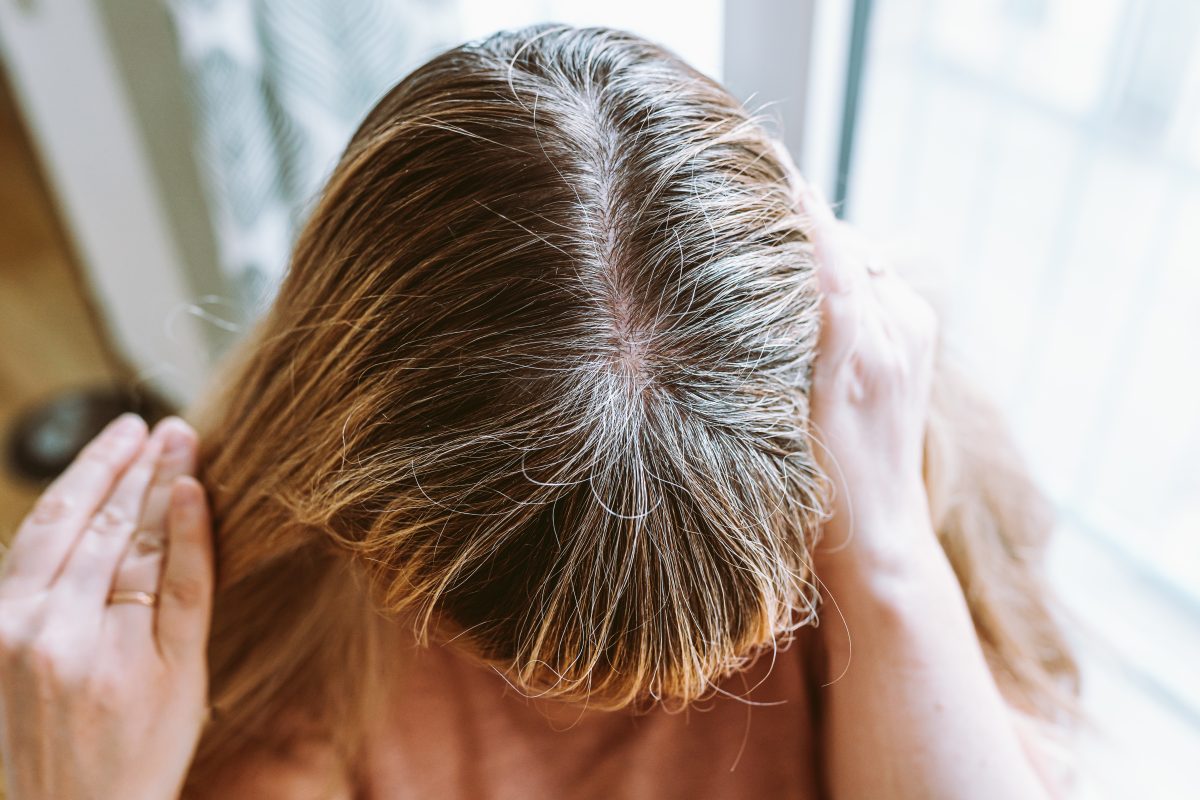
Professionals should identify these symptoms during consultation:
- Loss of natural shine
- Excessive dryness
- Split ends and breakage
- Rough or uneven texture
- Hair feels “crispy” or straw-like
- Difficulty holding style or curl
- Increased frizz even after styling
If multiple signs appear, a structured heat damage recovery plan is required.
Step-by-Step Heat Damage Recovery Process
Professional Hair Assessment
Before starting any treatment, evaluate:
- Hair elasticity
- Porosity level
- Degree of breakage
- Chemical history
- Heat exposure frequency
This helps determine whether the hair needs deep reconstruction, hydration, or both.
Clarifying and Detoxing the Hair
Start with a gentle clarifying shampoo to remove:
- Product buildup
- Silicones
- Oils blocking penetration
This step ensures that treatments can deeply penetrate the hair shaft effectively.
Professional tip: Avoid harsh sulfates on extremely damaged hair; opt for salon-grade clarifying formulas.
Protein Reconstruction Treatment
Heat damage often results in protein loss. Therefore, reconstruction is critical.
Use treatments that contain:
- Keratin
- Amino acids
- Hydrolyzed proteins
These ingredients help rebuild internal structure and strengthen weakened fibers.
Important: Overuse of protein can cause stiffness, so balance is key.
Deep Hydration Therapy
Once the structure is reinforced, hydration must be restored.
Use deep conditioning masks containing:
- Hyaluronic acid
- Argan oil
- Shea butter
- Panthenol (Vitamin B5)
Hydration restores softness, elasticity, and shine.
Cuticle Sealing
Sealing the cuticle locks in moisture and nutrients.
This can be achieved through:
- Cool water rinse
- Acidic pH treatments
- Lightweight serums
- Leave-in conditioners
This step is crucial for long-lasting heat damage repair results.
Trim Severely Damaged Ends
Professionals should recommend trimming split or burnt ends.
Why?
- Prevents further splitting
- Improves hair appearance instantly
- Supports healthier regrowth
Even a small trim can significantly improve results.
Heat-Free Styling Transition
During recovery, clients should reduce heat usage and switch to:
- Heatless curling methods
- Air drying techniques
- Protective styling
This prevents re-damage and allows the hair to recover fully.
Salon Treatments for Heat Damage Recovery
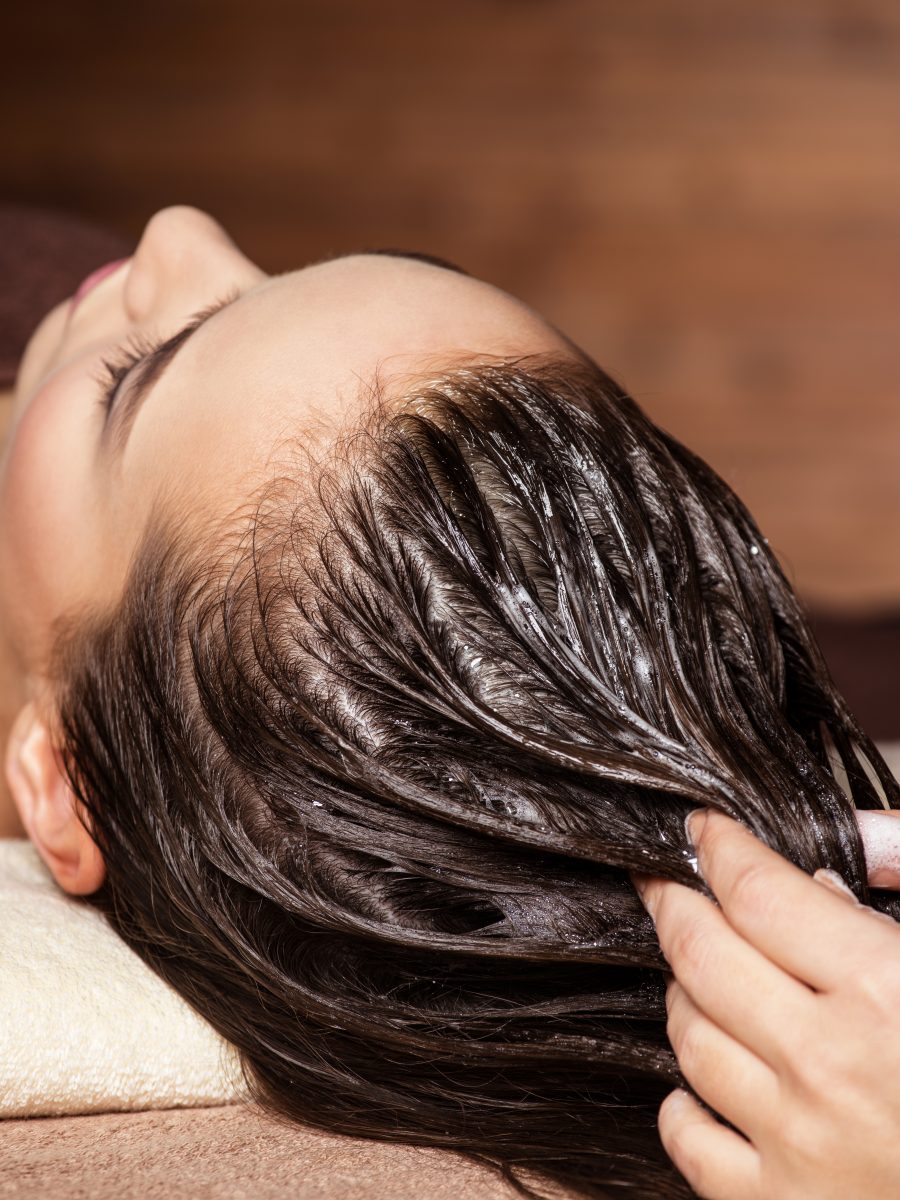
Salons can enhance results using treatments such as:
- 1. Keratin Repair Systems
- Strengthen hair and smooth cuticle layers.
- 2. Bond-Building Treatments
- Reconstruct broken disulfide bonds within the hair fiber.
- 3. Steam Therapy
- Opens the cuticle for deeper product penetration.
- 4. Scalp Nourishing Treatments
- Improve follicle health for stronger regrowth.
At-Home Care Recommendations for Clients
Professionals should educate clients on maintenance between salon visits.
Recommended routine:
- Apply heat protectant when styling
- Use sulfate-free shampoo
- Apply deep conditioner weekly
- Use leave-in treatment daily
- Avoid high heat tools
Common Mistakes to Avoid
Professionals should warn clients about:
- Using too much protein without hydration
- Continuing daily heat styling
- Skipping trims
- Using drugstore harsh shampoos
- Expecting instant results
Heat damage recovery is a process, not a one-time treatment.
FAQs
Heat-damaged hair cannot always return to its original state, but it can be significantly improved through consistent treatment and care.
Bond-building treatments combined with protein reconstruction and deep hydration therapies deliver the best results.
There is no instant fix, but reducing heat, trimming ends, and using deep conditioning treatments can improve appearance quickly.
Both are essential. Protein rebuilds structure, while moisture restores softness and flexibility.
Professional treatments are recommended every 2–4 weeks depending on damage severity.
Yes, but with controlled temperature, heat protectant, and limited frequency.