

Smart Pricing for Nail Salons

Nail salon pricing is a strategic approach that optimizes customer attraction and business profitability.
In this competitive industry, pricing is key to influencing client choices and building loyalty. Smart pricing strategies, such as dynamic pricing, tiered services, and promotional offers, help nail salons present attractive value while maintaining healthy profit margins. By aligning prices with market demands and customer preferences, salons can enhance client experiences and foster long-term success, striking the perfect balance between competitiveness and profitability.
Understanding Your Target Market
Identifying your target clientele is essential for crafting an effective pricing strategy in a nail salon. By understanding factors such as age, income level and personal preferences, salons can tailor their services and pricing to meet the specific needs and expectations of their clients. For example, younger clients may be more price-sensitive and interested in trendy, affordable options, while older clients might prioritize premium services and be willing to pay more for quality.
Market segmentation is crucial in shaping pricing strategies. By dividing your market into distinct segments, such as luxury vs. budget services, you can cater to varying client needs. Luxury segments may demand higher-priced, high-quality services with exclusive perks, whereas budget-conscious segments will seek value-for-money options and discounts. This segmentation ensures that prices reflect the perceived value for each customer group, enhancing overall satisfaction and loyalty.
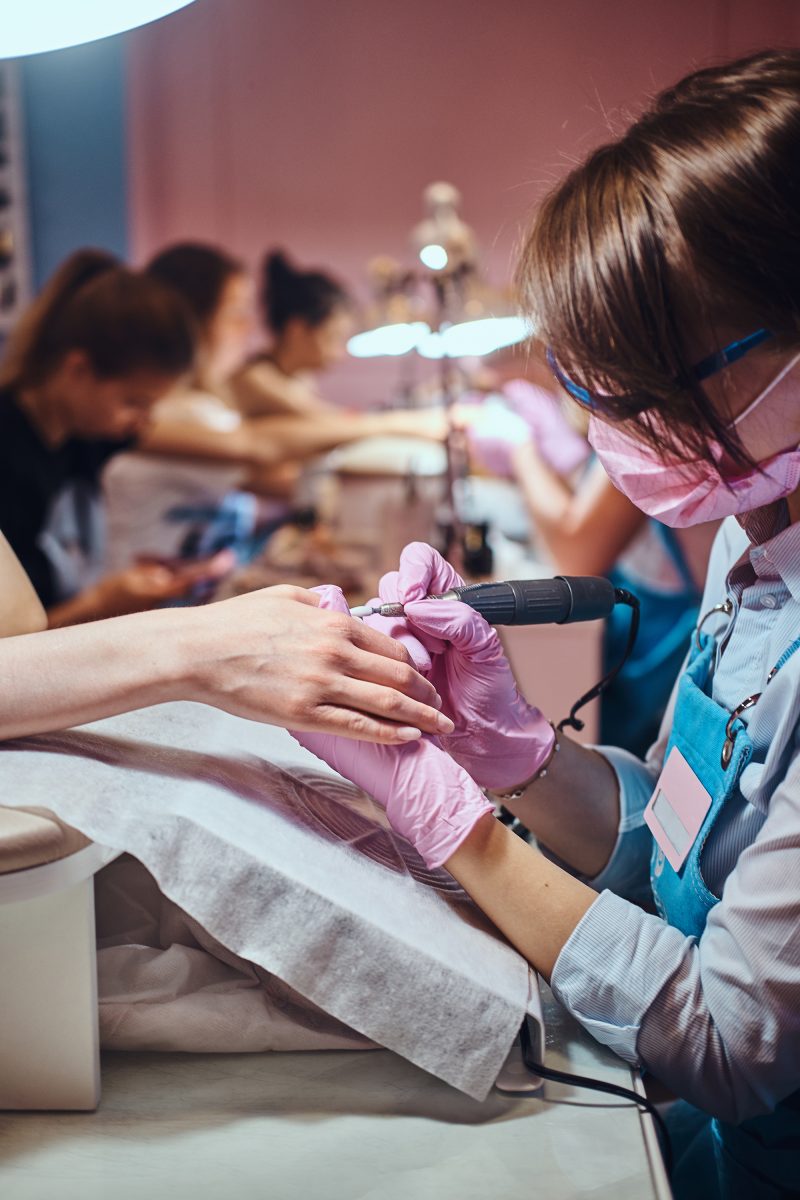
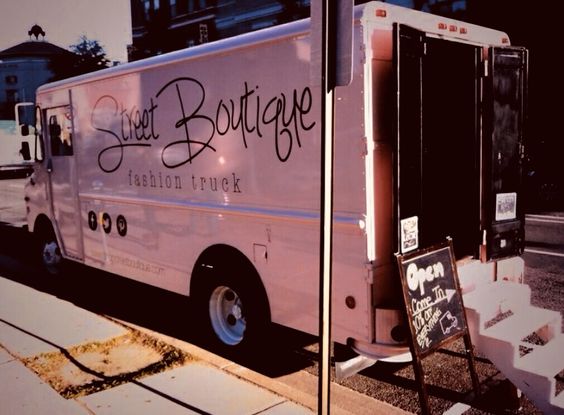
To gather insights about your target market, employ a range of methods. Nail salon smart pricing can benefit from surveys and feedback from both current and prospective clients, providing direct information on their preferences and spending habits. Additionally, conducting a competitor analysis can reveal how other salons set their prices and the strategies they use to attract clients. For mobile nail salons, understanding these dynamics is particularly important as they may face unique client needs and pricing expectations. By integrating these insights, you can craft a pricing strategy that effectively meets your target market’s needs and strengthens your salon’s appeal.
Types of Smart Pricing Strategies
In the competitive landscape of nail salons, smart pricing of nail salon services can significantly boost client attraction, retention, and revenue. Explore these four key strategies to enhance your salon’s profitability and appeal:
Dynamic Pricing
Dynamic Pricing is a flexible strategy that adjusts service prices based on real-time factors. This approach allows salons to optimize revenue through several key mechanisms:
- Demand Fluctuations: Prices are increased during high-demand periods, such as weekends or holidays, to capitalize on higher client traffic. For instance, if a salon experiences a surge in bookings during a holiday season, raising prices during these times can maximize revenue.
- Seasonal Trends: Prices are adjusted according to seasonal changes. During slower months or off-peak seasons, such as the post-holiday period, lowering prices can attract more clients and fill appointment slots that might otherwise remain empty.
- Peak Hours: Prices can be higher during peak hours, such as early evenings or weekends, when client demand is highest. This adjustment helps manage salon capacity and increases profitability.
- Real-Time Adjustments: Advanced scheduling and pricing tools allow salons to make real-time changes based on current demand and market conditions. These tools analyze booking patterns and client data to adjust prices dynamically.
- Data Analysis: Effective dynamic pricing requires comprehensive analysis of client behavior, market trends, and seasonal patterns. By leveraging historical data and predictive analytics, salons can set prices that align with both demand and competitive conditions.


Tiered Pricing
Tiered Pricing offers a structured range of service levels, each with distinct features and price points, catering to different client needs and preferences:
- Basic Level: Provides essential services, such as a standard manicure with basic polish application. This option is priced lower to appeal to budget-conscious clients seeking fundamental treatments.
- Standard Level: Includes additional features, such as hand massages or exfoliation, at a mid-range price. This tier offers enhanced value for clients looking for more than just the basics.
- Premium Level: Features high-end treatments, luxury products, or extended service durations at a higher price point. This option is designed for clients seeking a more luxurious experience.
- Client Segmentation: By offering multiple levels, salons can cater to various customer segments, from those seeking affordability to those desiring premium experiences.
- Upselling Opportunities: The tiered approach encourages clients to choose higher-tier services if they perceive added value, which can increase the average transaction value and boost overall revenue.
Bundling Services
Bundling Services involves offering a combination of popular treatments at a discounted rate, designed to enhance both client satisfaction and salon profitability:
- Increased Transaction Value: Bundling encourages clients to purchase multiple services together, such as combining a manicure with a pedicure at a reduced price. This strategy helps raise the average transaction value and boosts overall revenue.
- Discounted Packages: Provides a cost-effective way for clients to enjoy multiple treatments. For example, offering a “pamper package” that includes a manicure, pedicure, and a facial at a discount compared to booking each service separately.
- Simplified Booking: Streamlines the booking process by allowing clients to schedule and pay for multiple services in one transaction, reducing administrative complexity and improving client convenience.
- Enhanced Value: Clients perceive greater value from bundled services, as they receive more treatments for a lower combined price, increasing their overall satisfaction.
- Streamlined Service Delivery: Helps salons manage appointments more efficiently, as clients are more likely to book comprehensive packages rather than individual treatments.

Loyalty and Subscription Programs
Loyalty and Subscription Programs are designed to reward repeat clients and build long-term relationships through various incentives:
- Loyalty Programs:
- Point-Based System: Clients earn points for each visit or purchase, which can be redeemed for free services, discounts, or exclusive offers. For instance, clients might earn one point for every dollar spent, with points redeemable for discounts or complimentary services.
- Incentives for Frequent Visits: Encourages regular patronage by offering rewards based on the frequency of visits, such as a free service after a certain number of visits or a discount on the next appointment.
- Subscription Models:
- Fixed Monthly Fee: Clients pay a predetermined monthly fee for access to a range of services, providing predictable revenue for the salon and ongoing value for clients. This can include a set number of treatments or unlimited access to certain services.
- Additional Benefits: Subscriptions often come with perks such as priority booking, exclusive discounts, or special treatment packages, enhancing the client experience and adding value.
- Enhanced Client Retention: By offering continuous value and convenience, subscription programs foster loyalty and reduce client churn, making clients more likely to choose your salon over competitors.

Competitive Pricing Analysis
Conducting a competitive pricing analysis is crucial for evaluating how your nail salon pricing stacks up against competitors and for strategically positioning your services in the market. This analysis involves key steps and considerations for effectively implementing smart pricing in nail salons:

1. Analyzing Competitor Pricing
To begin, it’s crucial to research and analyze how competitors are pricing their services. This includes:
- Service Comparison: Examine the range of services offered by competitors and their respective price points. Identify which services are priced higher or lower than yours and determine the factors contributing to these differences, such as service quality or included features.
- Market Positioning: Understand the market position of your competitors. Are they positioned as luxury, mid-range, or budget salons? This positioning influences their pricing strategy and the client base they attract.
- Promotional Strategies: Review any discounts, special offers, or bundled packages that competitors use. Analyze how these promotions affect their pricing structure and client attraction.
2. Differentiating Your Salon’s Offerings
Differentiation is key to standing out in a competitive market. Here are ways to distinguish your salon from others:
- Unique Services: Offer distinctive services or specialized treatments that are not commonly available at other salons. For example, introducing exclusive nail art designs, specialized skincare treatments, or organic product options can create a unique selling proposition.
- Exceptional Customer Experience: Focus on delivering a superior customer experience, which includes personalized service, a welcoming atmosphere, and attention to detail. Training staff to provide exceptional service and creating a relaxing environment can enhance client satisfaction and loyalty.
- Quality of Products: Use high-quality, premium products that differentiate your services from those of competitors. Clients may be willing to pay a bit more for superior products and results.


3. Positioning Your Pricing Competitively
To position your pricing effectively without compromising quality, consider the following strategies:
- Value-Based Pricing: Set prices based on the value you offer rather than simply matching competitor prices. For instance, if your salon offers unique services or superior customer care, you can justify a higher price by emphasizing these value-added features.
- Tiered Pricing: Implement a tiered pricing structure to cater to different client segments. By offering various service levels (e.g., basic, standard, and premium), you can attract a wider range of clients while still maintaining competitive pricing.
- Bundling and Promotions: Use bundling strategies and promotional offers strategically to provide added value without significantly altering your base pricing. For example, offer a discount on a bundle of services or a promotional rate for first-time clients to attract new business.
- Transparent Pricing: Maintain transparency in your pricing to build trust with clients. Clearly communicate the benefits and features associated with each pricing tier or package, ensuring clients understand what they are paying for and why it offers good value.
Psychological Pricing Techniques
These techniques leverage cognitive biases to influence consumer perception and drive purchasing decisions. Here are three effective strategies:
- Charm Pricing: This technique involves setting prices that end in .99 (e.g., $19.99 instead of $20.00) to make them appear cheaper. The psychological effect is that prices just below a round number are perceived as significantly lower, even though the difference is minimal. This subtle pricing tactic can make your services seem more affordable and attract budget-conscious clients.
- Anchor Pricing: Anchor pricing involves displaying a higher original price next to a discounted rate. By setting a high reference price, the discounted price appears more attractive and offers perceived savings. For example, showing a manicure originally priced at $60, now discounted to $40, highlights the value of the current offer and encourages clients to take advantage of the deal.
- Decoy Pricing: This strategy introduces a middle option in your pricing structure to make the premium service seem like a better value. For instance, offering a basic manicure at $30, a standard manicure at $45, and a premium manicure at $50 can lead clients to perceive the premium option as more appealing, as the price difference between it and the standard service seems relatively small. This approach can drive clients to opt for higher-value services that offer greater perceived value.


Avoiding Common Pricing Mistakes
When setting prices, certain common mistakes can undermine your business’s success. Here are key pitfalls to avoid and best practices to address them:
- Underpricing: Offering prices that are too low can devalue your services and lead to financial strain. Solution: Ensure your pricing covers costs and reflects the quality of your offerings. Conduct a cost analysis and set prices that align with your value proposition.
- Overcomplicating Pricing Structures: Creating overly complex pricing models can confuse clients and deter them from booking services. Solution: Keep pricing structures simple and transparent. Use clear, easy-to-understand tiers or packages to make it straightforward for clients to choose and compare services.
- Ignoring Competitor Prices: Failing to consider what competitors charge can lead to misaligned pricing, either too high or too low. Solution: Regularly benchmark against competitors to ensure your pricing is competitive. Adjust your rates based on market research while maintaining your unique value proposition.
FAQ



Mo Al-Koubeitri
I’m Mo, and I like making the business side of beauty easier to figure out. I write about running a salon, choosing equipment and getting to know the tools barbers use every day. My goal is to share practical ideas and clear how-to guides that make your next business decision a little easier.