
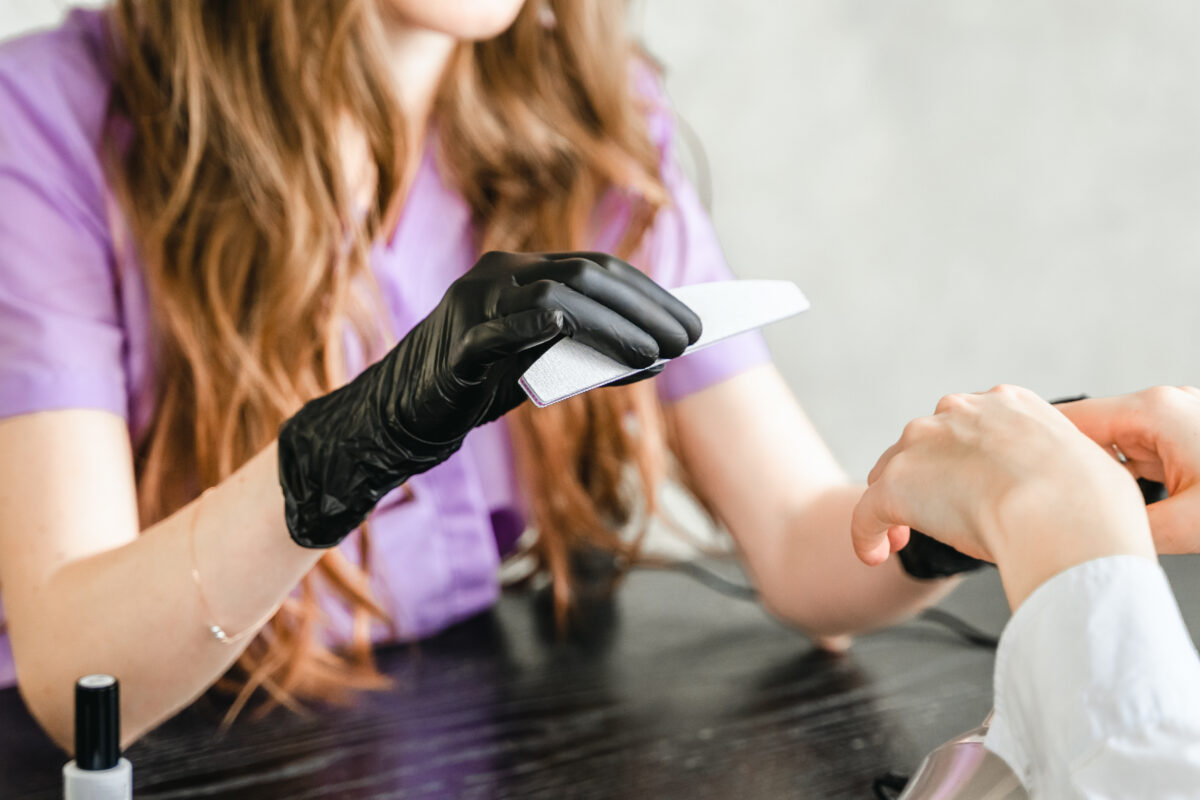
To Remove dip powder nails is a task that shows nail professionals’ expertise and dedication to their clients.
They skillfully remove dip powder nails, improving the appearance and well-being of their clients’ nails. They use suitable products and techniques, showing professionalism and commitment, and earning their clients’ trust and confidence. In nail care, this skill is a mark of excellence that distinguishes professionals from others and guarantees loyal clientele. It demands a gentle touch and a deep knowledge of nail health.
Proper Dip Powder Nail Removal
When it comes to professional nail care, removing dip powder nails emerges as a fundamental pillar, transcending routine tasks to become an art form. Its significance goes beyond aesthetics, directly influencing the overall health and resilience of clients’ nails. A meticulous approach preserves the nail bed’s integrity, bolstering long-term strength while fostering trust and satisfaction.
This artful practice is a testament to a nail technician’s unwavering commitment to client well-being, etching an enduring impression of exceptional service and care. Transitioning into this realm unveils a craft that melds technical skill with artistry and scientific precision. Subtlety reigns supreme in this process, where product and tool selection harmonizes for a flawless result. The artistry isn’t confined to outcomes but extends to the preservation of natural nail health and beauty. True mastery lies in attunement to each client’s unique nail needs, and adapting techniques seamlessly. This delicate equilibrium elevates dip powder nail removal into a captivating and inherently beneficial art form.

Tools for Dip Powder Removal
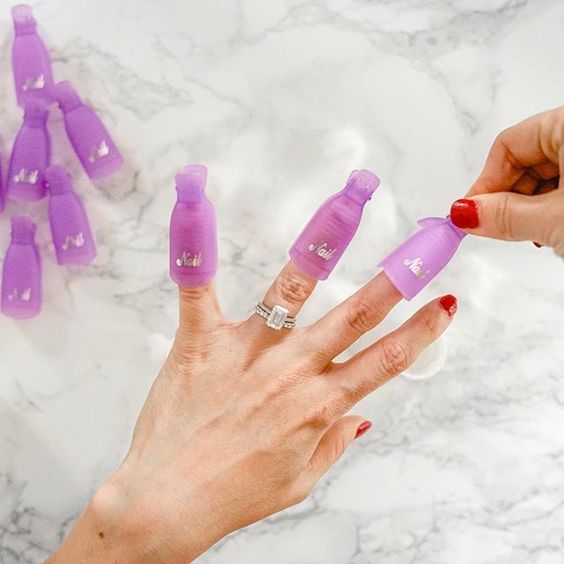
Within the toolkit of nail professionals, a set of essential tools and products is indispensable for the effective and safe removal of dip powder nails. High-quality acetone-based nail polish removers, ideally enriched with moisturizers, are a cornerstone, ensuring efficient dip powder nail dissolution while minimizing nail and cuticle dehydration. Various nail files and buffers serve for shaping and smoothing, while wooden or metal cuticle pushers and orange sticks delicately tend to cuticles and the surrounding area. To facilitate the soaking-off process, finger cots or aluminum foil wraps coupled with cotton pads are vital for securing the acetone and enhancing efficiency. Having these tools and products at hand empowers you as a professional to execute dip powder nail removal with precision, preserving nail health and ensuring a clean canvas for subsequent nail care endeavors.
Step-by-Step Dip Polish Removal Process
To safely and effectively remove dip powder nails it’s important to follow the techniques. Improper removal can harm your nails. Increase the risk of infection. Here are some steps you can take to ensure a safe process;
- Use a fine-grit buffer to buff the topcoat. This creates scratches that allow the acetone based remover to penetrate effectively.
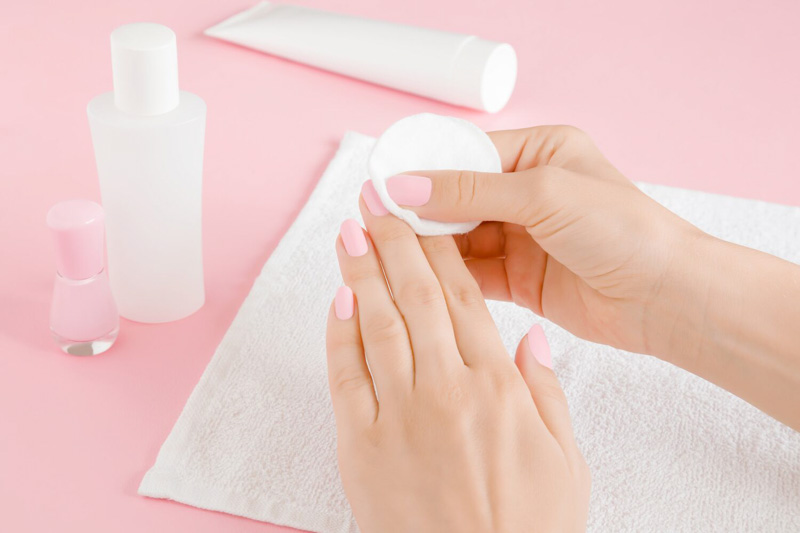
- Apply the remover to each nail using either a cotton ball or a brush making sure not to oversaturate.
- To prevent evaporation and maintain warmth wrap each nail in foil. Use soak-off caps.
- Wait for 10 to 15 minutes. Check if the dip powder is beginning to flake off. If not you can reapply the remover. Wait 5 minutes.
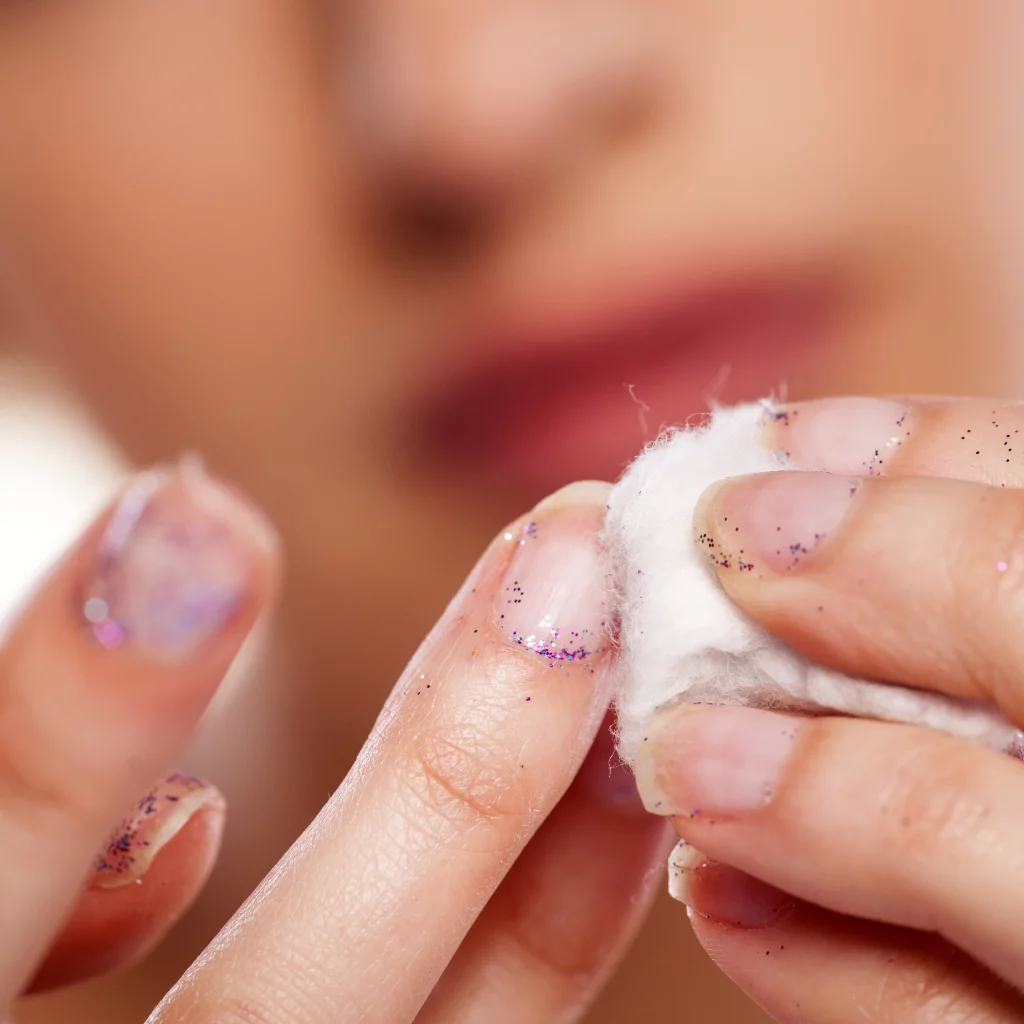
- Once the dip powder has softened sufficiently carefully scrape it off using an orangewood stick or a cuticle pusher. Start from the cuticle area. Work your way, towards the tip being cautious not to damage your natural nail underneath.
- Finish by buffing your nails with a buffer to smoothen any rough edges that may be left behind after removing the dip powder.
- Lastly, apply some cuticle oil to hydrate and protect your nails.
Avoiding Removal Mistakes
To ensure the removal of dip powder nails it’s important for professionals to avoid these mistakes that can potentially harm the nails:
- Being too rough while scraping; It’s important not to scrape off the polish with force as it can damage the nail bed and make the nails thinner. This can increase the chances of them breaking, splitting or peeling.
- Using low-quality removers; Avoid using nail removers that’re of low quality or diluted. These types of removers may take longer to soak. Can cause damage, to the nails. They might not effectively dissolve the polish leaving behind residue or stains on your clients’ nails.
- Neglecting hydration; Remember to keep your nails hydrated and after removing dip powder. Neglecting hydration can result in dehydrated nails. Hydration is crucial for maintaining moisture and elasticity, in your clients’ nails as preventing infections or inflammation of the cuticles.
Post-Remove Dip Powder Nail Care
After successfully removing dip powder nail, the next crucial step is to ensure that your clients’ nails are in optimal condition for their next treatment. Begin by gently shaping the nails using a file to achieve the desired length and shape. Then, use a buffer to smooth the nail surface, preparing it for the application of a new polish or nail enhancement.
It is crucial to moisturize and nourish the nails and cuticles using a hydrating cuticle oil or cream after removing any nail treatment. This helps restore moisture and promotes nails while also improving the durability of their next manicure. Additionally its recommended to give the nails a day or two to “breathe” before applying products ensuring they are, in condition for the next nail service. By following these steps your clients will have prepared nails that’re ready, for their next exciting nail art experience.

FAQ
Professionals should begin by gently filing off the top layer, then soak the nails in acetone for about 10-15 minutes. After soaking, gently scrape off the softened polish with an orangewood stick or cuticle pusher, being cautious not to apply excessive pressure.
For clients with sensitive or damaged nails, take extra precautions during removal. Use a lower acetone concentration and reduce soaking time to minimize potential discomfort or damage.
dip powder nails and reapplication frequency depends on various factors, including nail growth and client preference. Typically, clients return every 2-4 weeks for a new application.
Electric files can be used for removal, but they must be handled carefully to avoid excessive filing and potential nail damage. Always prioritize the health and integrity of natural nails.
It’s not recommended to use non-acetone removers for dip powder nail removal, as they are typically less effective and may require longer soaking times, potentially leading to overexposure of the nails to moisture.