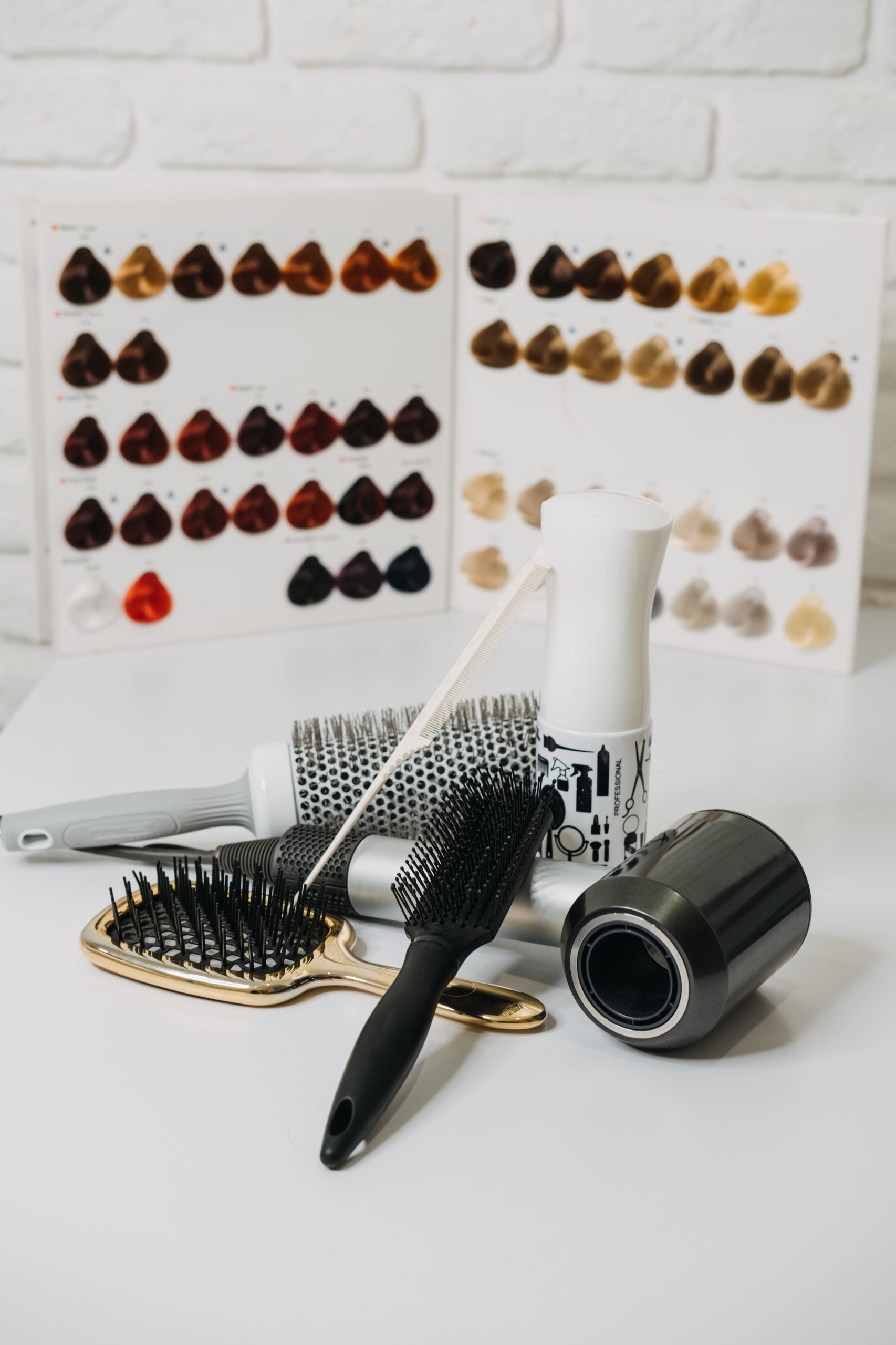
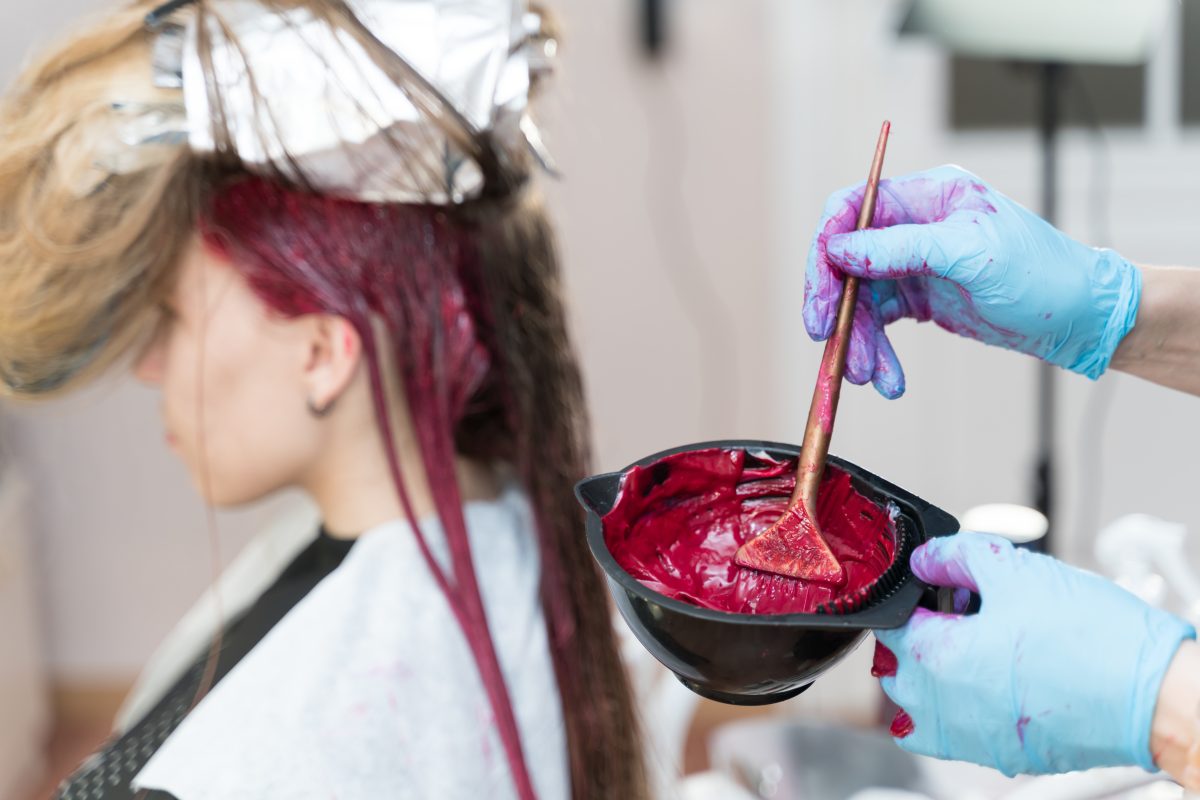
Hair dye products play a defining role in the identity and success of any salon. More than just a cosmetic tool, they reflect a salon’s commitment to quality, creativity and client satisfaction.
Professionals rely on these products daily to achieve precise results, maintain hair integrity, and express artistry through color. With the beauty industry continuously evolving, selecting the right hair dye systems and support tools has become both a technical and strategic decision. For salon owners and colorists alike, these choices directly impact the consistency of service, client trust, and long-term business growth. Making informed investments in this area is not only wise—it’s essential.
Types of Hair Dye – Choosing the Appropriate System
Before selecting a product line or stocking up on formulas, it’s crucial to understand the differences between dye types. Each category offers distinct advantages depending on the client’s needs, hair condition, and desired outcome.
| Type of Hair Dye | Coverage | Longevity | Best Use Case |
|---|---|---|---|
| Permanent | Full, including gray | 6–8 weeks | Full color transformations and long-lasting results |
| Demi-permanent | Moderate gray blending | 20–28 shampoos | Color refreshing, soft toning, low-commitment coloring |
| Semi-permanent | No gray coverage | 8–15 shampoos | Temporary color, pastel tones, and glossing treatments |
| Direct (no developer) | No lift or coverage | 3–8 shampoos | Creative, vivid shades over pre-lightened hair |
| Bleach & toners | _ | Process-dependent | Lifting natural pigment and prepping for light or pastel tones |
As the table illustrates, permanent dyes offer long-lasting coverage and are ideal for color corrections or gray coverage. Demi-permanent options are more suitable for refreshing tone or adding shine, while semi-permanent and direct dyes offer flexibility in fashion coloring and creative expression. Lightening products, including bleach and toners, form the base of many modern blonding services.
Implementing Core Tools and Accessories
Equally important as the dye itself are the tools and accessories used during the coloring process. The right equipment enhances precision, minimizes waste, and improves workflow, making your services more efficient and professional.
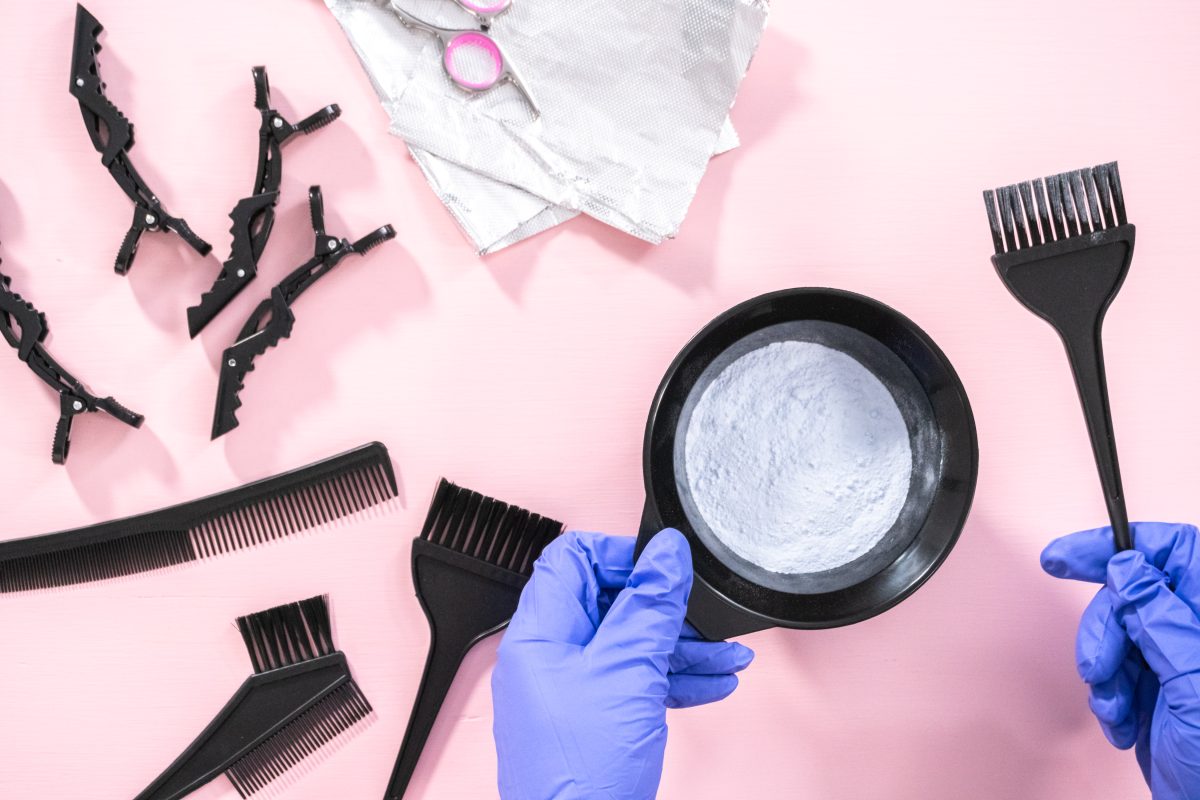
Core Tools Every Salon Should Have
- Mixing bowls and whisks for even product blending
- Color application brushes in various sizes for different techniques
- Sectioning clips to isolate areas for foiling, balayage, or root touch-ups
- Digital scales to ensure accurate color-to-developer ratios
- Gloves and barrier creams to maintain hygiene and skin protection
- Color-safe capes and towels to keep clients comfortable and clean
In addition, it is essential to stock up on developer bottles in multiple volumes, and to use measuring dispensers for consistency. Using premium-quality tools will not only improve the results but also reduce service time and waste.
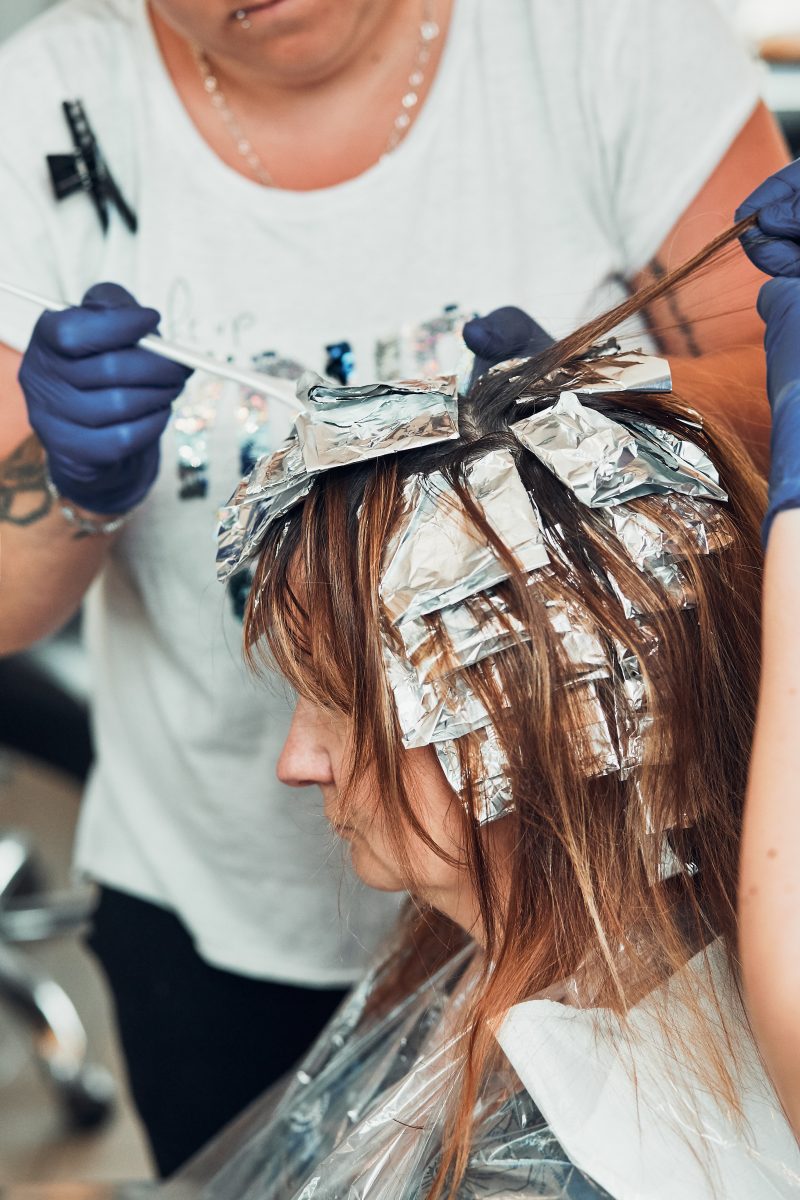

Trusted Professional Hair Dye Brands
Selecting reliable hair dye brands is crucial for delivering consistent, high-quality results in salons. Below is a streamlined overview of top brands trusted by professionals worldwide:
- Revlon Professional: Known for its Revlonissimo line, offering permanent and demi-permanent colors enriched with keratin and argan oil for vibrant, healthy-looking hair and excellent gray coverage.
- Wella Professionals: A leader in permanent and demi-permanent systems like Koleston Perfect and Illumina Color, featuring advanced light-reflecting technology and bond-building treatments to protect hair integrity during coloring.
- Clairol Professional: Offers gentle, conditioning formulas such as Professional LiquiCream permanent color and ammonia-free Natural Instincts demi-permanent shades, ideal for soft, natural results.
- Crazy Color: Specializes in high-pigment, semi-permanent fashion colors that are vegan and cruelty-free, perfect for clients seeking bold, trendy looks with minimal damage.
- Creme of Nature: Combines nourishing ingredients like African oils with professional-grade color formulas, especially favored for textured and natural hair types.
- One ‘N Only: Provides rich, creamy permanent colors infused with argan oil to deliver vibrant, long-lasting results while maintaining hair health.
Each of these brands brings unique strengths, allowing salons to build a versatile and effective color portfolio tailored to client needs and stylist expertise.
Building a Smart Hair Dye Inventory
Maintaining the right mix of dye hair products in your backbar is key to reducing waste while effectively meeting client demand. Rather than overstocking every possible shade variation, salon professionals benefit from adopting a strategic approach to inventory management.
Best Practices for Inventory Management
- Start with core neutrals: Stock high-demand shades such as natural browns, cool blondes, and ash tones that cater to a broad client base.
- Use demi-permanent dyes for glossing and toning: Demi-permanent dye hair products help extend the life of permanent color and allow for quick tonal adjustments between services.
- Offer a curated selection of direct dyes: Purchase bold, vivid colors based on local trends or seasonal promotions to provide creative options without excess inventory.
- Order in bulk for popular shades: Take advantage of wholesale pricing or pro-size tubes for your most frequently used colors, ensuring cost efficiency.
- Track usage regularly: Monitor product consumption to identify trends, prevent overstock, and keep inventory aligned with client preferences.
Over time, this data-driven approach enables salons to stock efficiently while remaining flexible enough to accommodate diverse client requests.
Advanced Application Techniques
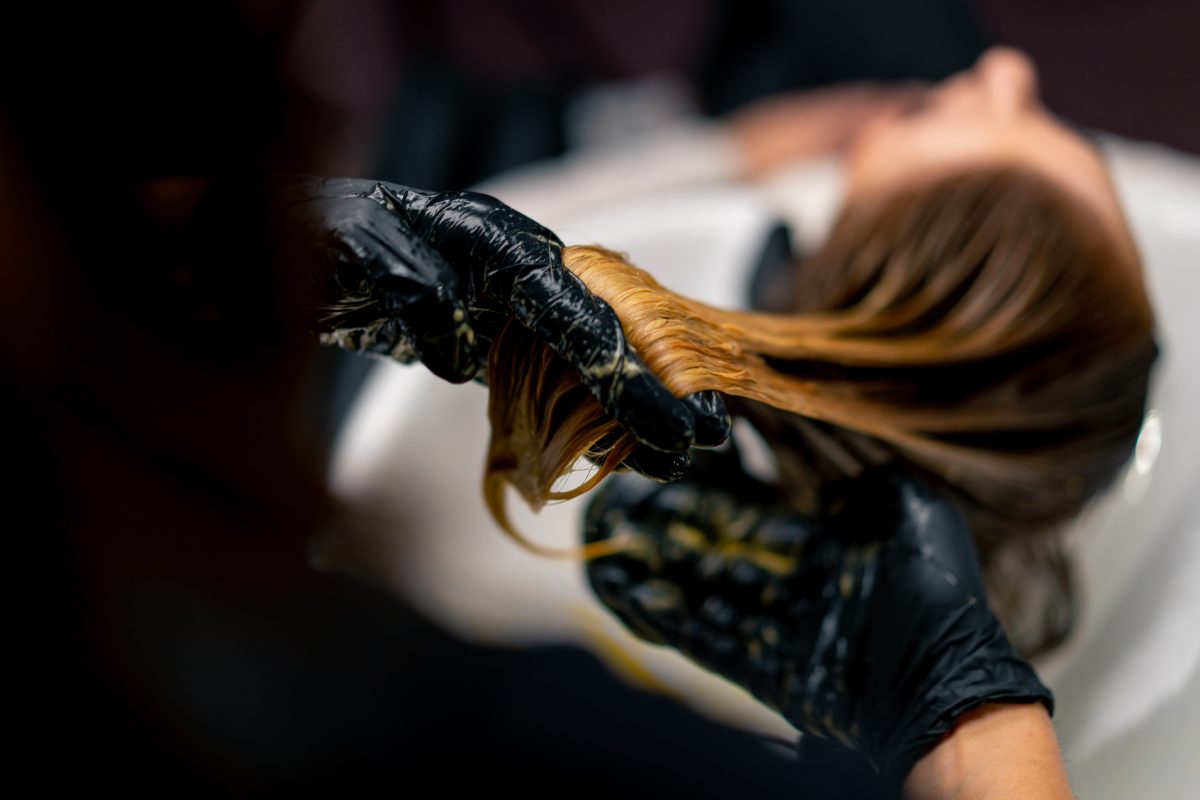
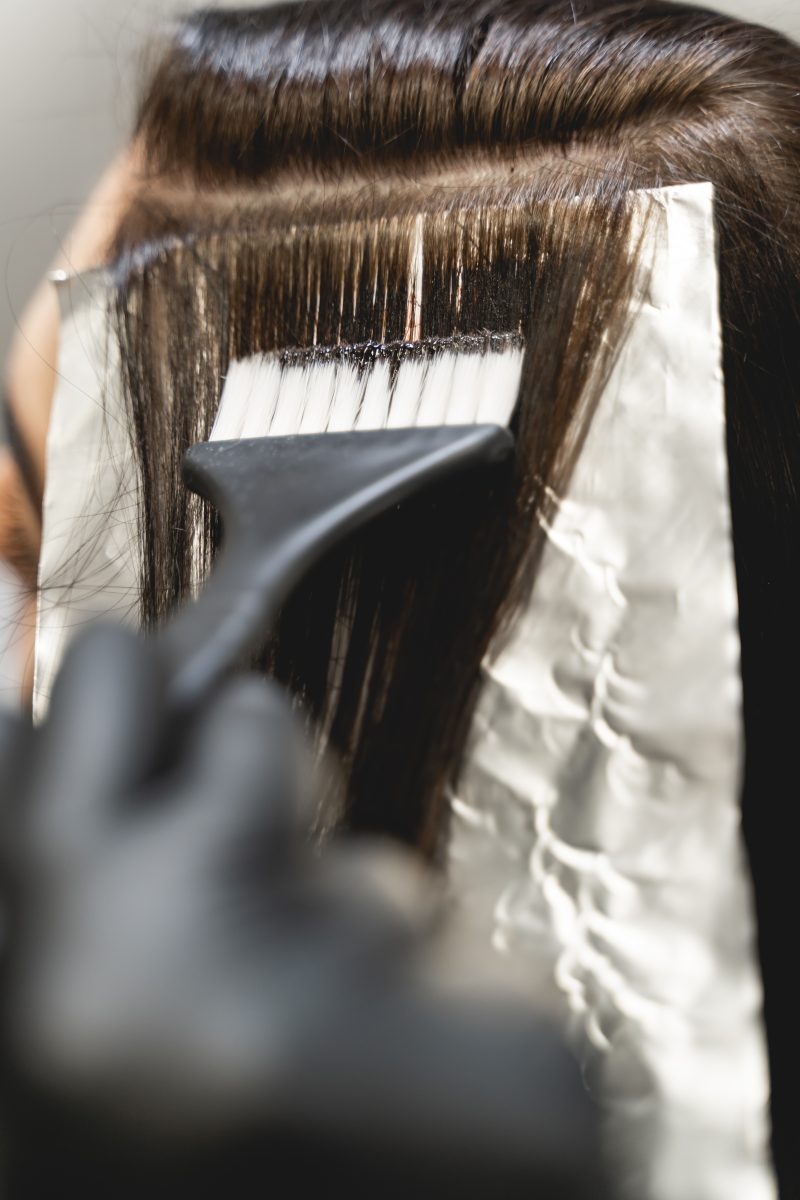
Investing in high-quality dye hair products is only part of the equation; precise application techniques are essential to deliver consistent, salon-quality results. Professionals must focus on both preparation and execution to maximize product performance.
Techniques That Improve Results
- Perform detailed consultations: Assess hair history, current condition, and desired outcome to select the best dye hair products for each client.
- Conduct strand and allergy tests: This ensures safety and predictability, especially when working with compromised hair.
- Apply color in well-defined sections: This practice guarantees even saturation and uniform processing throughout the hair.
- Adhere strictly to manufacturer-recommended timing: Over- or under-processing can compromise color results and hair health.
- Rinse and neutralize thoroughly: Use post-color treatments designed to lock in tone and rebalance hair pH.
- Incorporate bond-building additives: When lightening or coloring, these additives minimize damage and strengthen hair integrity.
By following these techniques, stylists optimize the effectiveness of their dye hair products, resulting in longer-lasting color, healthier hair, and higher client satisfaction.
Managing Color Corrections and Complex Cases
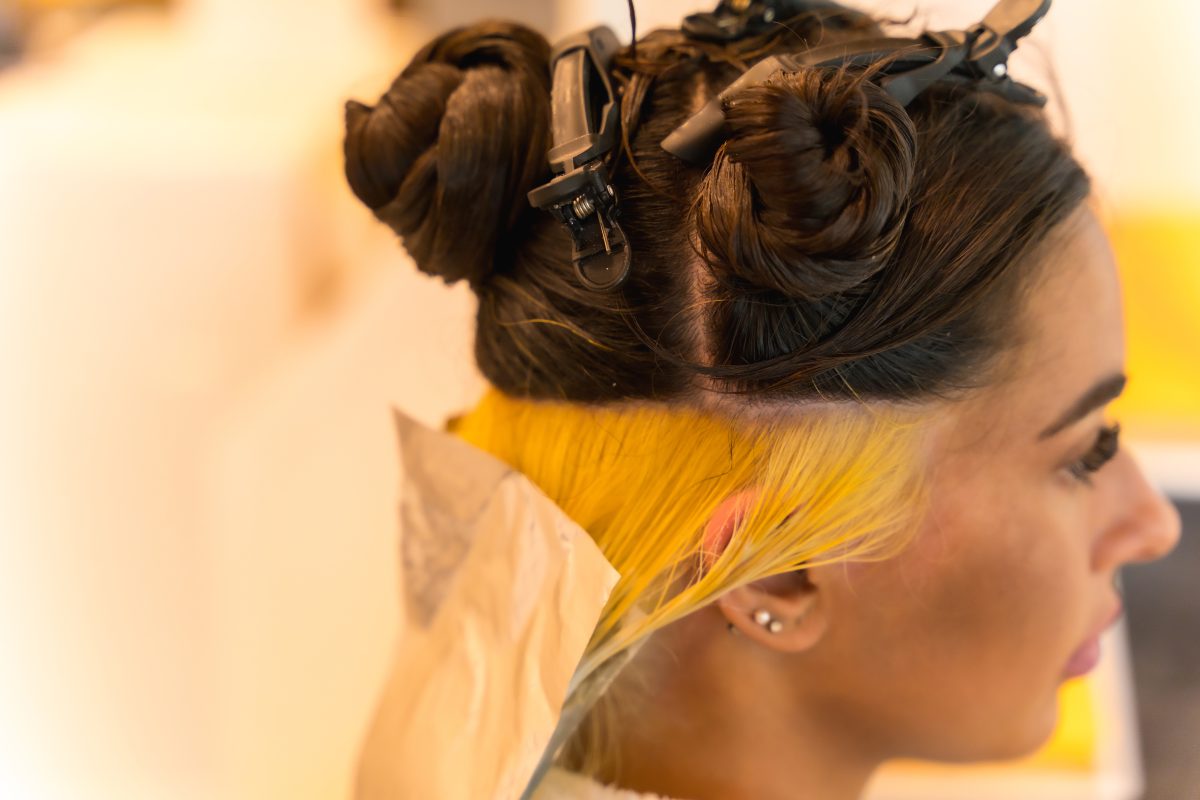
Not all coloring services are straightforward. Frequently, professionals must tackle color corrections or repair hair damaged by previous chemical treatments. Success in these situations requires an advanced understanding of formulations, layering strategies, and clear client communication.
Common Correction Challenges
- Over-toned or uneven blonde: Use a clarifying treatment followed by a gentle toner to neutralize unwanted warmth.
- Warm banding on brunettes: Apply a cool demi-permanent dye hair product over affected areas to balance tone seamlessly.
- Bleached but damaged hair: Incorporate bond protectors and adjust developer strength to minimize further damage before re-coloring.
- Color fade or oxidation: Recommend pigmented masks and gloss treatments for clients’ home care to extend color vibrancy.
In all cases, professionals should thoroughly document the correction process, provide detailed aftercare advice, and build trust through transparency.
Incorporating Sustainability in Hair Coloring Services
Today’s clients increasingly expect salons to demonstrate environmental responsibility. Fortunately, salons can adopt sustainable practices without compromising the performance of their dye hair products.
How to Build a Greener Color Service
- Choose brands that offer recyclable or refillable packaging to reduce waste.
- Opt for ammonia-free or low-impact formulas when possible to minimize chemical exposure.
- Encourage the use of reusable tools and organize applications to reduce foil and product waste.
- Partner with local recycling programs to dispose of developer bottles, empty tubes, and other materials responsibly.
- Train staff on waste-minimization techniques such as accurate measuring to avoid overmixing and product waste.
Implementing these measures at the station level can result in meaningful environmental benefits while enhancing your salon’s reputation for sustainability.
FAQ
They can be used within the same service but should never be mixed in the same bowl. Typically, permanent dyes are applied at the roots, while demi-permanent dye hair products are used to refresh mid-lengths and ends.
Developers should be replaced every 6 to 12 months after opening, as expired developer can cause uneven lift or poor gray coverage.
For consistent gray coverage, use 20-volume developer with permanent hair dye, or mix with 10-volume to soften contrast when needed.
Always incorporate bond protectors such as Olaplex No. 1 or similar additives, and process at lower volumes over a longer time to minimize damage.
Redken Shades EQ and Wella Color Touch remain top choices due to their conditioning formulas and broad shade ranges.