
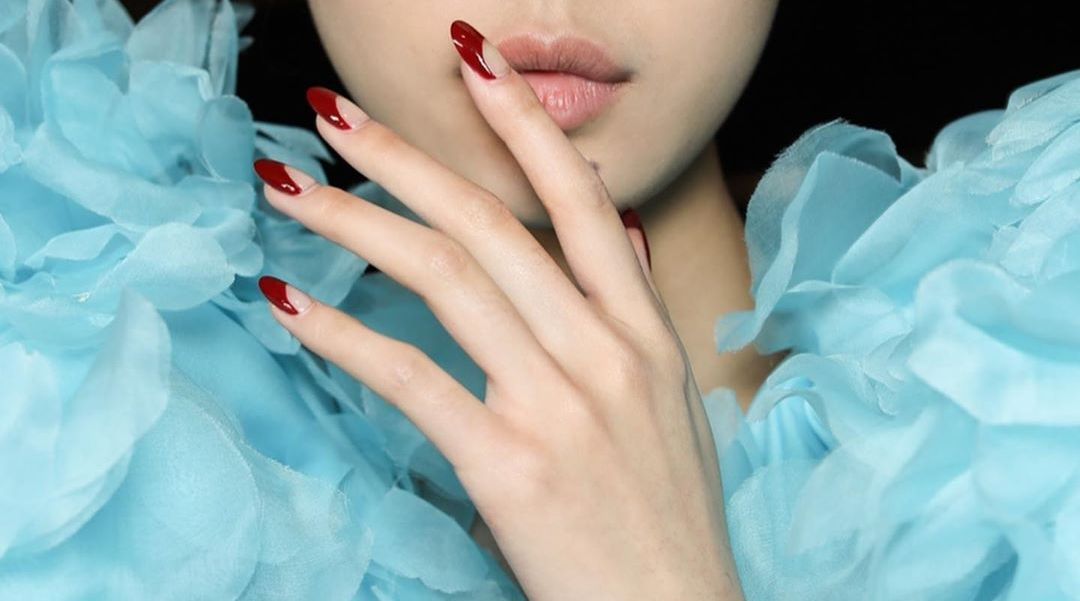
Advanced Level Designs with Nail Art Skills

Enhance your nail art skills and captivate your clients with unique designs.
Take advantage of the latest trends and stay updated with the industry’s best practices. Whether you’re an aspiring artist eager to develop your craft or a seasoned nail enthusiast seeking to elevate your expertise, prepare to be captivated by the mesmerizing allure of advanced-level designs. Nail art has undergone a remarkable evolution transforming from simple patterns into intricate masterpieces that never cease to mesmerize and inspire. With your honed nail art skills serving as the foundation, these sophisticated designs require a delicate balance of technique, artistic vision, and precise execution. Unleash the full potential of your creativity as you discover new techniques, refine your skills and unlock the ability to create breathtaking designs that truly reflect your unique style.
Essential Nail Art Tools and Supplies
When delving into the world of nail art, it’s essential to understand the tools and supplies that are crucial for creating stunning designs.
Firstly, nail polish serves as the foundation of any nail art design, offering a vast range of colors, finishes, and formulas to unleash your creativity. Additionally, investing in a set of high-quality brushes with different tip shapes and sizes will enable you to achieve precision and intricate details in your designs. Moreover, dotting tools, available in various sizes, are invaluable for creating circular designs, such as polka dots or flowers. Furthermore, nail art pens provide the convenience of a pen-like applicator, making it easier to draw precise lines and intricate patterns.
To ensure a polished canvas for your designs, it’s crucial to prioritize nail care and preparation techniques. This includes trimming, shaping, and cuticle care, which will lay the groundwork for your nail art masterpieces. Lastly, emphasizing cleanliness and hygiene throughout the nail art process is essential for maintaining a professional finish. Regularly sanitizing your tools, cleaning the nail surface, and practicing proper hygiene will create a safe and hygienic environment for your nail art endeavors.
Foundational Techniques for Advanced Nail Art Mastery
Building a strong foundation is essential for mastering advanced nail art techniques. To elevate your skills, it’s crucial to focus on fundamental techniques that serve as the building blocks of exceptional nail art.
Begin by emphasizing the importance of nail shaping, filing, and buffing to achieve a smooth and even canvas for your designs. By shaping clients’ nails to their desired length and style, filing away rough edges, and gently buffing the surface, you create the perfect base to showcase your creativity. Next, explore the art of nail polish application, as it plays a significant role in the overall look and longevity of your designs. Master the technique of applying a base coat, which not only provides a smooth surface but also protects your nails from staining. Learn the art of layering, which allows you to experiment with various colors, gradients, and intricate designs. Finally, seal your masterpiece with a top coat to enhance its shine, protect the design, and prolong its lifespan.
Achieving an even and flawless application requires attention to detail. Ensure that each layer of polish is applied smoothly and evenly, avoiding streaks or clumps. Practice precision and steadiness while applying the polish, moving from the cuticle to the tip of the nail in a controlled manner. Remember to wait for each layer to dry completely before adding additional coats or designs.
Advanced Nail Art Skills
Advanced nail art opens up a world of limitless creativity. Within this world, a range of advanced techniques awaits, ready to elevate your designs to new heights.
Firstly, freehand painting allows you to unleash your artistic prowess directly onto the nail surface. With a fine nail art brush and a steady hand, you can create intricate designs, patterns or even miniature works of art. Experiment with different brush strokes, layering and blending techniques to achieve the desired effects. Next, explore the world of stamping, a technique that involves transferring pre-designed patterns or images onto the nail surface. Key tools for this technique include a stamping plate, a scraper, and a stamper. Apply the nail polish to the desired design on the plate, scrape off the excess, and then transfer the design onto the nail using the stamper. This technique allows for precise and intricate designs with minimal effort.
Moving on to gradients, this technique creates a stunning transition of colors on the nail surface, blending seamlessly from one shade to another. Start by applying a base color, then use a makeup sponge to gently dab and blend different nail polish colors onto the nail. Gradually build up the gradient effect by layering the colors until you achieve the desired look. For clients seeking a three-dimensional touch, explore the world of 3D nail art. This technique involves using various materials such as acrylic powder, nail beads, rhinestones, or charms to create raised and sculpted designs on the nail surface. Adhere to these decorative elements using nail glue or a gel top coat to achieve a mesmerizing three-dimensional effect.
Design Inspiration
One common source of inspiration is fashion trends. Keeping an eye on the latest runway shows and fashion magazines can provide valuable insights into color palettes, patterns, and textures that can be translated into stunning nail art designs. Incorporating elements of fashion into your nail art allows you to stay on trend and express your unique style. Nature is another abundant source of inspiration. The vibrant hues of flowers, the mesmerizing patterns of leaves, and the captivating colors of sunsets can all serve as inspiration for your nail art. Embrace floral designs, incorporate organic elements, or capture the beauty of natural landscapes to create breathtaking designs..
Artistic influences can also spark your creativity. Draw inspiration from renowned artists, such as Van Gogh, Mondrian, or Klimt, and translate their iconic works onto your nails. Experiment with abstract designs, explore the play of colors and shapes, and let your nails become a canvas for artistic expression.
Tricks for Flawless Designs
To prevent smudging, it’s important to ensure each layer of nail polish is completely dry before proceeding. Additionally, apply thin coats of polish and use quick-drying top coats to minimize the risk of smudging. To combat chipping, it’s crucial to properly prepare your nails. Start by cleaning the surface and applying a base coat. Avoid thick layers of polish that can lead to chipping. Finally, seal your design with a quality top coat for better longevity.
For an even application, employ steady brush strokes and apply polish in thin layers. This technique helps to achieve a smooth and uniform finish. In addition, gently buff away any imperfections to create a flawless canvas for your nail art. Should mistakes occur, a clean brush or cotton swab with nail polish remover can be used to correct them. Consider starting fresh if there are significant errors or if the nails are damaged. To enhance your nail art techniques, utilize tape or nail art guides for clean and precise lines. Experiment with different brushes and tools to improve your control over the application.
Moreover, applying petroleum jelly around the nail bed acts as a barrier and prevents the polish from adhering to the skin, ensuring a cleaner and more professional look. Remember, practice makes perfect. So, embrace the learning process, be patient, and enjoy the journey of mastering advanced nail art. By following these troubleshooting tips and incorporating these tricks into your practice, you’ll overcome challenges and create flawless and captivating nail art designs.
FAQ
Continue learning
Explore more Nail Art & Colour, or choose a reading path in the Professional Resource Centre.
For current products and availability, browse gel polish colours at NRU. Check the product instructions and specifications before selecting supplies for your service.


Salma Aljabban
I’m Salma, and I love talking about nails, colour and beauty products. I enjoy exploring new collections, comparing shades and sharing ideas for nail art and salon services. You’ll also find me writing about lashes and other beauty favourites, helping you find options that suit your style and your clients.