

Facial Scrubs

Facial scrubs offer an opportunity to enhance the services provided by your salon and spa ensuring that your clients enjoy a satisfying and rewarding experience.
These exfoliants work gently by removing skin cells, dirt, oil and impurities that can block pores and make the complexion appear dull. As a result of this process facial exfoliants reveal more receptive skin, to the benefits of other skincare products and treatments. Additionally they promote blood circulation and drainage of the system, which can aid in reducing inflammation, puffiness and signs of aging. By incorporating exfoliants into your routine you can assist your clients in achieving healthy radiant skin that they will adore.
Scrubs Types
Facial scrubs are a popular and effective way to exfoliate the skin and improve its texture, tone, and appearance. However, not all facial scrubs are the same, and choosing the right one for the client’s skin type and concern is crucial. There are three main types of facial scrubs: physical, chemical, and enzymatic. Each type has its own advantages and disadvantages, and knowing how they work can help you make an informed decision.

Physical Scrubs
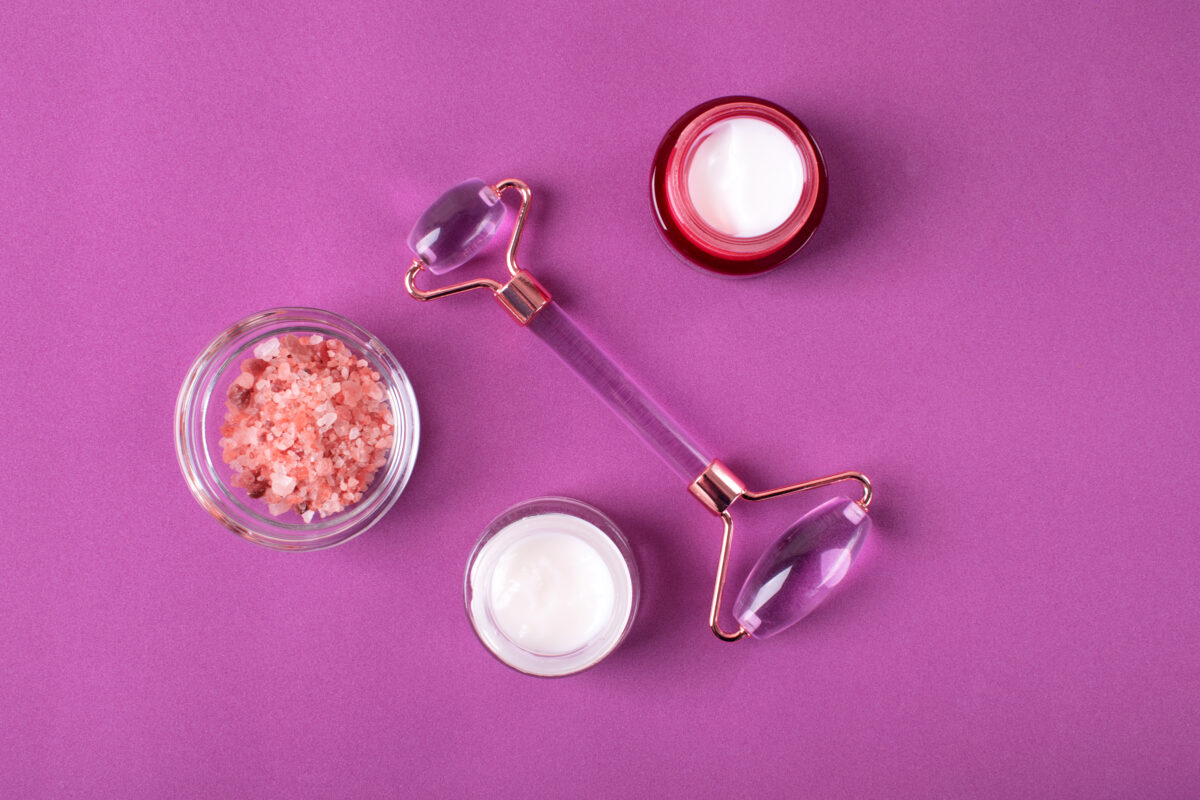
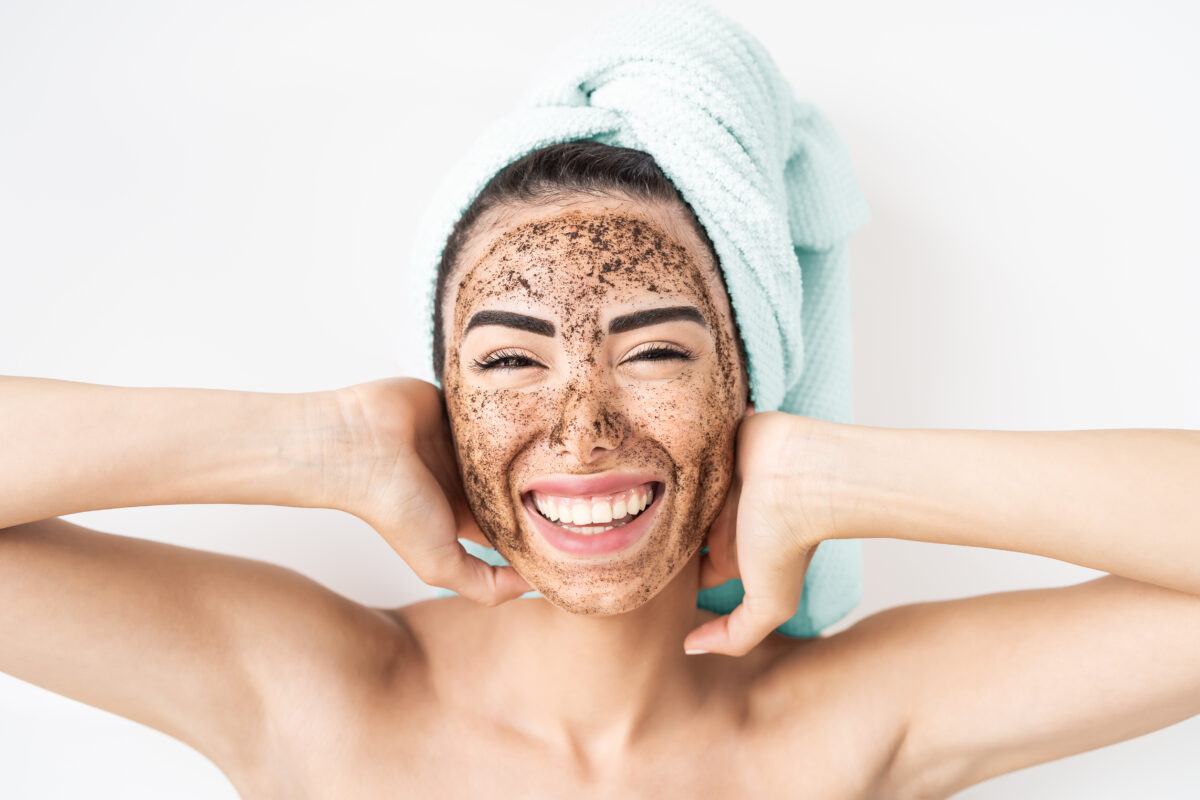
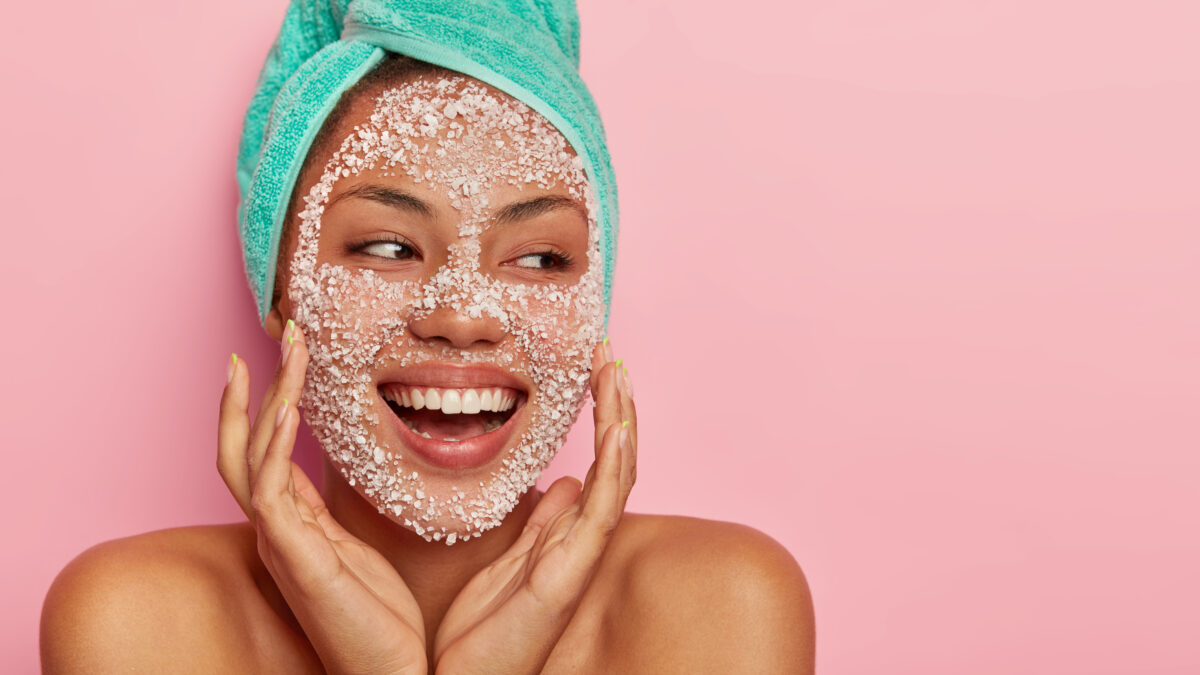
Physical scrubs are the used and traditional facial scrubs. They incorporate particles, like sugar, salt, beads or seeds to manually exfoliate and cleanse the skin’s surface by removing skin cells and impurities. Physical scrubs are beneficial for unclogging pores preventing blackheads and whiteheads and smoothing out rough patches. They work well for normal to oily skin types by helping to regulate oil production and control shine. However it is important to note that physical scrubs can be too harsh and irritating for dry skin. These types of scrubs can potentially cause micro tears, inflammation and dehydration if used excessively or aggressively. To avoid any effects it is recommended to use scrubs gently and sparingly—once or twice a week—and follow up with a moisturizer.
Chemical Scrubs
Chemical scrubs are considered gentle facial scrub options. By relying on exfoliation like physical scrubs do chemical scrub formulations utilize acids such as glycolic acid, salicylic acid or lactic acid to dissolve the bonds between dead skin cells. This process reveals brighter-looking skin without the need for scrubbing. Chemical scrubs offer benefits including reducing the appearance of lines, wrinkles, dark spots and scars while also improving overall skin elasticity and firmness. They particularly excel in addressing concerns related to acne skin types due, to their ability to clear breakouts effectively while also fading discoloration caused by breakouts. Furthermore chemical scrubs can stimulate collagen production which aids in achieving a complexion.
On the other hand chemical scrubs may lead to dryness, peeling or increased sensitivity, to sunlight. This is because they have the potential to remove the skin’s oils and protective layer. It is important to use chemical scrubs with caution and in moderation limiting their usage to a week at most. Additionally it is advisable to follow up with sunscreen, for added protection.
Enzymatic Scrubs
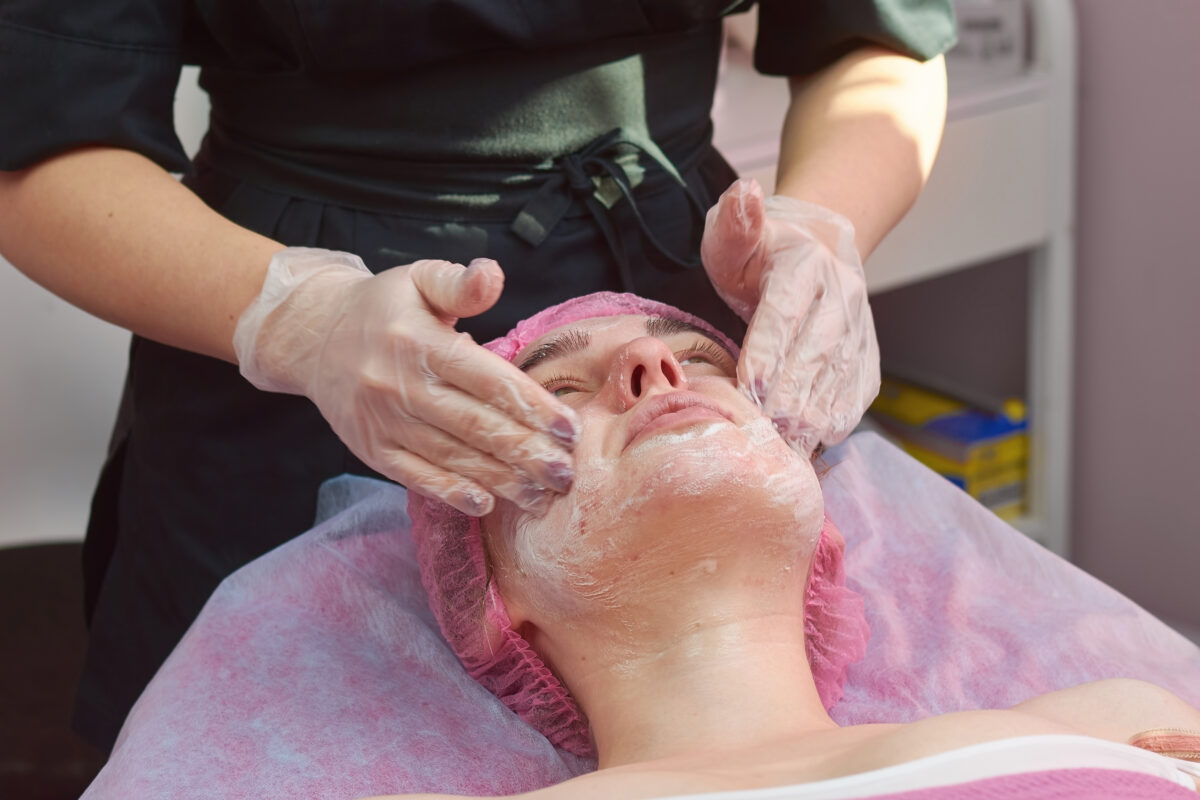
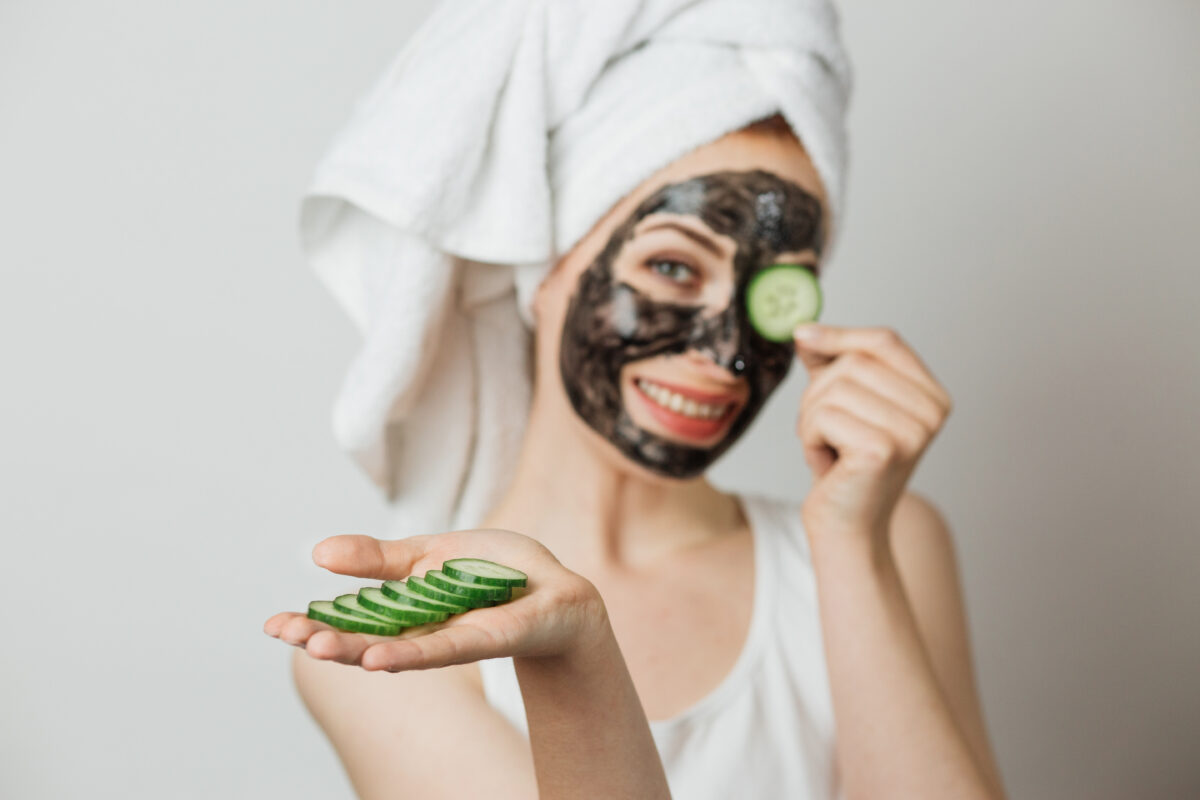
Enzymatic scrubs are a gentler kind of scrubs that utilize natural enzymes, like papaya, pineapple or pumpkin. Than scrubbing they work to exfoliate the skin. Enzymatic scrubs have benefits including softening, hydrating and brightening the skin while enhancing its radiance. They are particularly suitable for individuals with sensitive, dry or inflamed skin as they help calm, moisturize and heal the skin. However it’s worth noting that enzymatic scrubs might not be as potent as chemical scrubs due to their shelf life and milder effects. For results, with scrubs it is recommended to use them consistently two to three times a week followed by applying a serum or cream.
Application Techniques
As a skincare professional, ensure optimal results and client satisfaction with precise facial scrub application. Customize your approach based on the client’s skin type and concern with these streamlined steps:
- Step 1: Use a mild facial cleanser and lukewarm water to cleanse your client’s skin and remove any dirt, oil and makeup. This will prepare the skin for exfoliation and allow the facial scrub to penetrate better.
- Step 2: Select a facial scrub that matches your client’s skin type and concern. For example, for oily or acne-prone skin, choose a facial scrub that contains salicylic acid or charcoal to unclog pores and reduce inflammation. For dry or sensitive skin, choose a facial scrub that contains oatmeal or honey to moisturize and soothe the skin. For dull or aging skin, choose a facial scrub that contains glycolic acid or vitamin C to brighten and firm the skin.
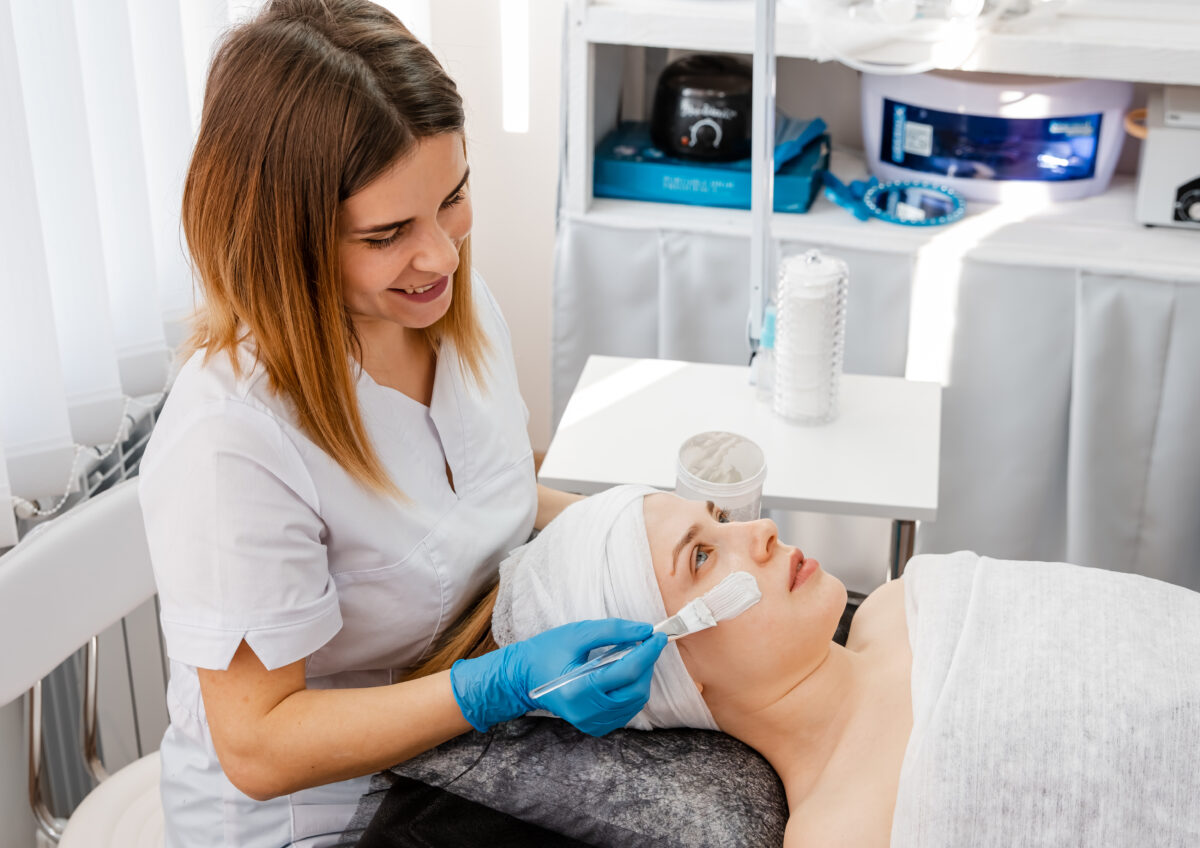

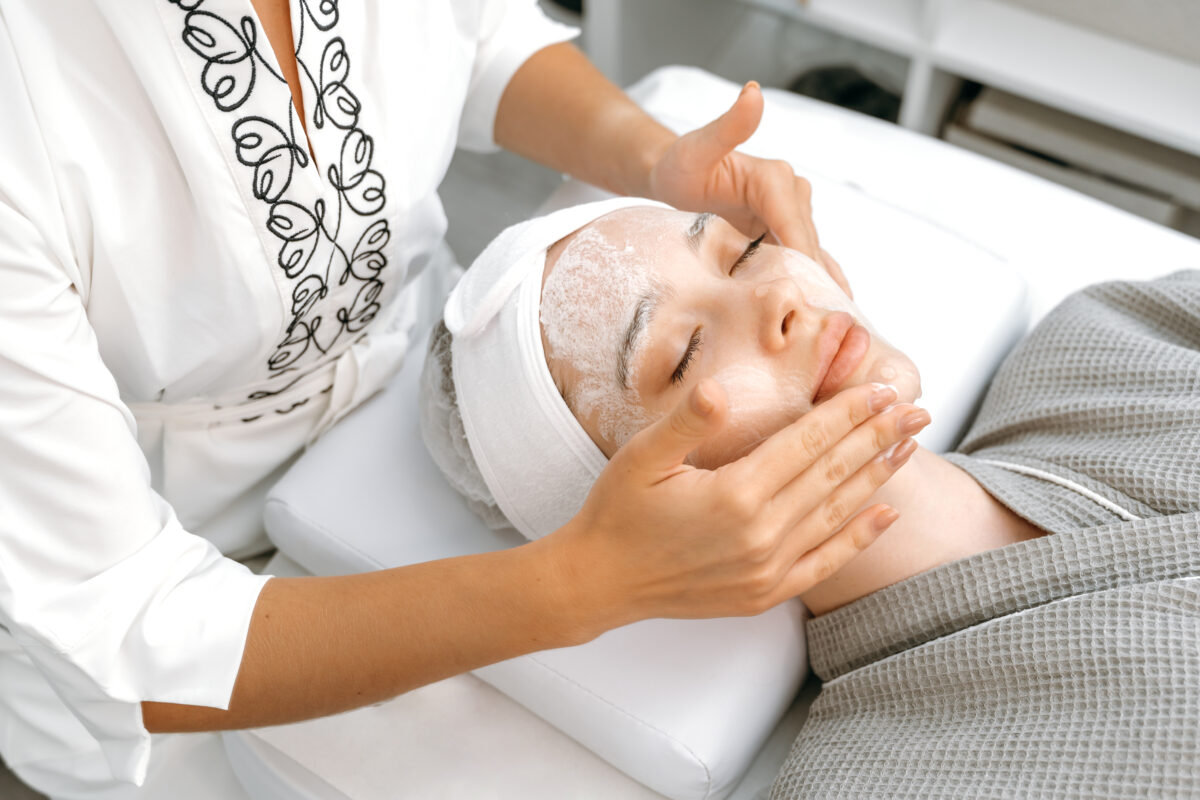
- Step 3: Rub a nickel-sized facial scrub on your fingertips. Massage it gently on the client’s wet T-zone and face in circles. Don’t rub too hard. Massage for 30-45 seconds or follow the product instructions.
- Step 4: Rinse the facial scrub off with lukewarm water and pat your client’s face dry with a soft towel. Your client’s skin should feel smoother and softer after the facial scrub.
- Step 5: Apply a serum or moisturizer to hydrate and protect your client’s skin. You can also consider additional treatments like masks or peels for enhanced effects.
- Step 6: Use a facial scrub once or twice a week on your client’s face, depending on their skin type and condition. Do not over-exfoliate the skin, as this can cause dryness, peeling or sensitivity.
- Step 7: It is recommended to use facial masks after finishing the scrub, such as lip masks that can help to moisturize and plump clients’ lips, as well as heal any cracks or dryness, and eye masks that can help to reduce puffiness, dark circles and fine lines around eyes.
Optimizing Facial Scrub Application
The optimal frequency, for applying scrub depends on your client’s skin type and condition. As a rule if your client has acne-prone skin it is advisable to use a facial scrub once or twice a week. However for those with sensitive skin it is recommended to limit the use of scrub to once every two weeks or even less frequently. It’s important not to exfoliate as it can lead to dryness, peeling or increased sensitivity. Always follow the instructions and recommendations provided by the product for results. When incorporating a scrub into a skincare routine it is suggested to apply it after cleansing and before using treatments like masks, peels or serums. This ensures that the skin is thoroughly cleansed and ready for exfoliation while allowing other treatments to penetrate effectively.
Additionally consider the time of day and season when using a scrub. Some experts propose that utilizing a scrub, in the morning can eliminate skin cells accumulated overnight and give the skin a rejuvenated appearance. Conversely others advise using it in the evening to minimize sun exposure and potential irritation after exfoliation. Ultimately consulting your client about their preferences and lifestyles will help guide them
Recommendations To Consider
- Follow product instructions and recommendations.
- Customize scrub application to client’s skin type and concern.
- Apply scrub gently and focus on T-zone.
- Massage scrub for 30 to 45 seconds or as directed.
- Rinse scrub with lukewarm water and apply skincare products.
- Add masks, peels or treatments for enhanced effects.
- Do a patch test for sensitive skin and monitor for reactions.
- Advise clients on sun protection and hydration.
- Avoid products that may cause allergies or sensitivities.
Top Brands
Every professional in the skincare industry understands the importance of scrubs in salon and spa services. They play a role in exfoliating and improving the texture, tone and appearance of the skin. However it’s important to remember that not all facial scrubs are created equal. Choosing the one for your client’s skin type and concerns is essential. By selecting a scrub that aligns with your client’s needs and preferences as well as considering the quality and reliability of the brand you can ensure optimal results and client satisfaction. Additionally investing in high-quality products and reputable brands can further enhance your reputation and credibility, within the industry.
Hollywood Style
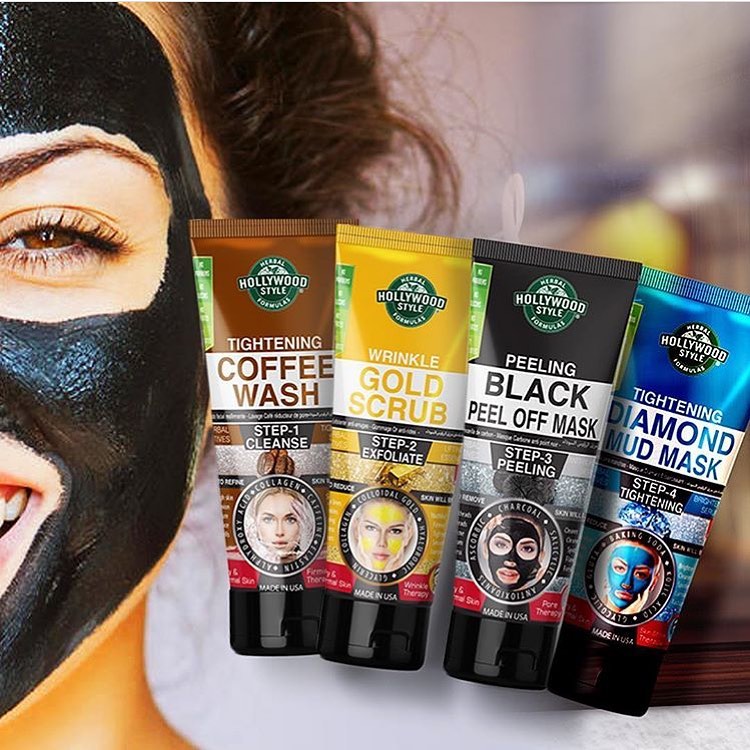
Hollywood Style is a brand known for its range of scrubs that are designed to tackle issues, like hyperpigmentation, dullness and uneven texture. These scrubs contain gentle ingredients such as glutathione, vitamin C and fruit extracts. They work by nourishing and hydrating the skin while removing skin cells and impurities. Hollywood Style scrubs are perfect for anyone looking to achieve a flawless skin tone regardless of their skin type.
La Palm
La Palm is a high-end skincare brand that specializes in offering effective scrubs. They have a range of options, like the Volcanic Ash Facial Scrub, the Charcoal Detox Facial Scrub and the Coconut Milk Facial Scrub. These scrubs are designed to purify, hydrate and detoxify the skin using exotic ingredients such as ash, charcoal and coconut milk. La Palms scrubs are perfect for clients seeking a rejuvenating and pampering scrub experience, beneficial for those, with oily, congested or dry skin types.


BCL SPA
An effective skincare brand that specializes in organic facial scrubs. The range includes the Lavender + Mint Sugar Scrub, the refreshing Mandarin + Mango Sugar Scrub and the indulgent Milk + Honey, with White Chocolate Sugar Scrub. These scrubs are carefully crafted to provide hydration, soothing properties and exfoliation for your client’s skin using certified ingredients like lavender, mint, mandarin, mango, milk, honey and white chocolate. Perfect for those seeking to pamper their skin with nourishing and aromatic products – for dry, stressed or mature skin types.
FAQ


Lina Alhalabi
I’m Lina, and I enjoy making the science behind beauty easier to understand. I write about spa treatments, foot and body care, and hair removal, with a close eye on ingredients and hygiene. I want my guides to help you feel comfortable with the products you use and the care you offer your clients.