
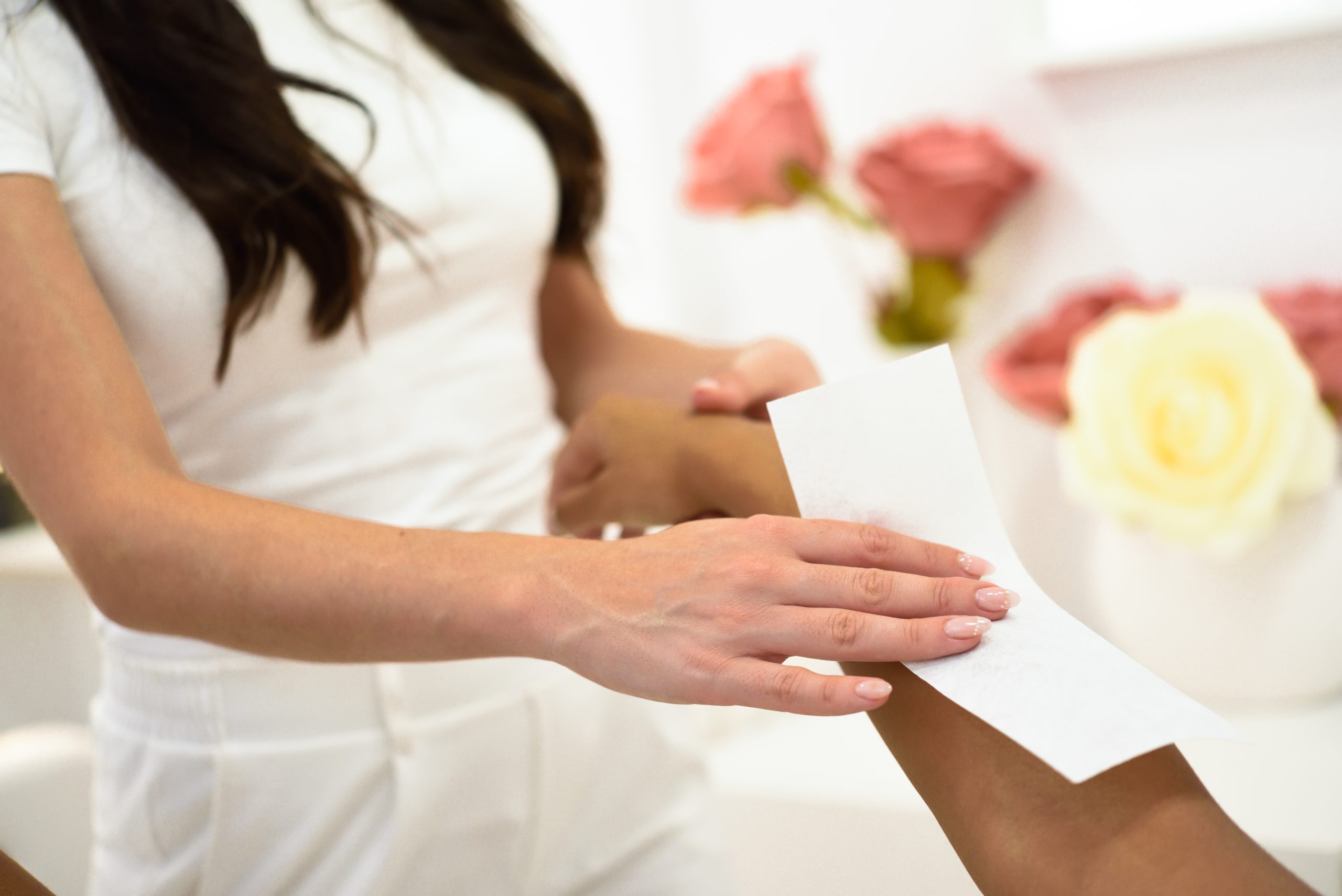
Soft Wax Tips Every Beauty Professional Needs
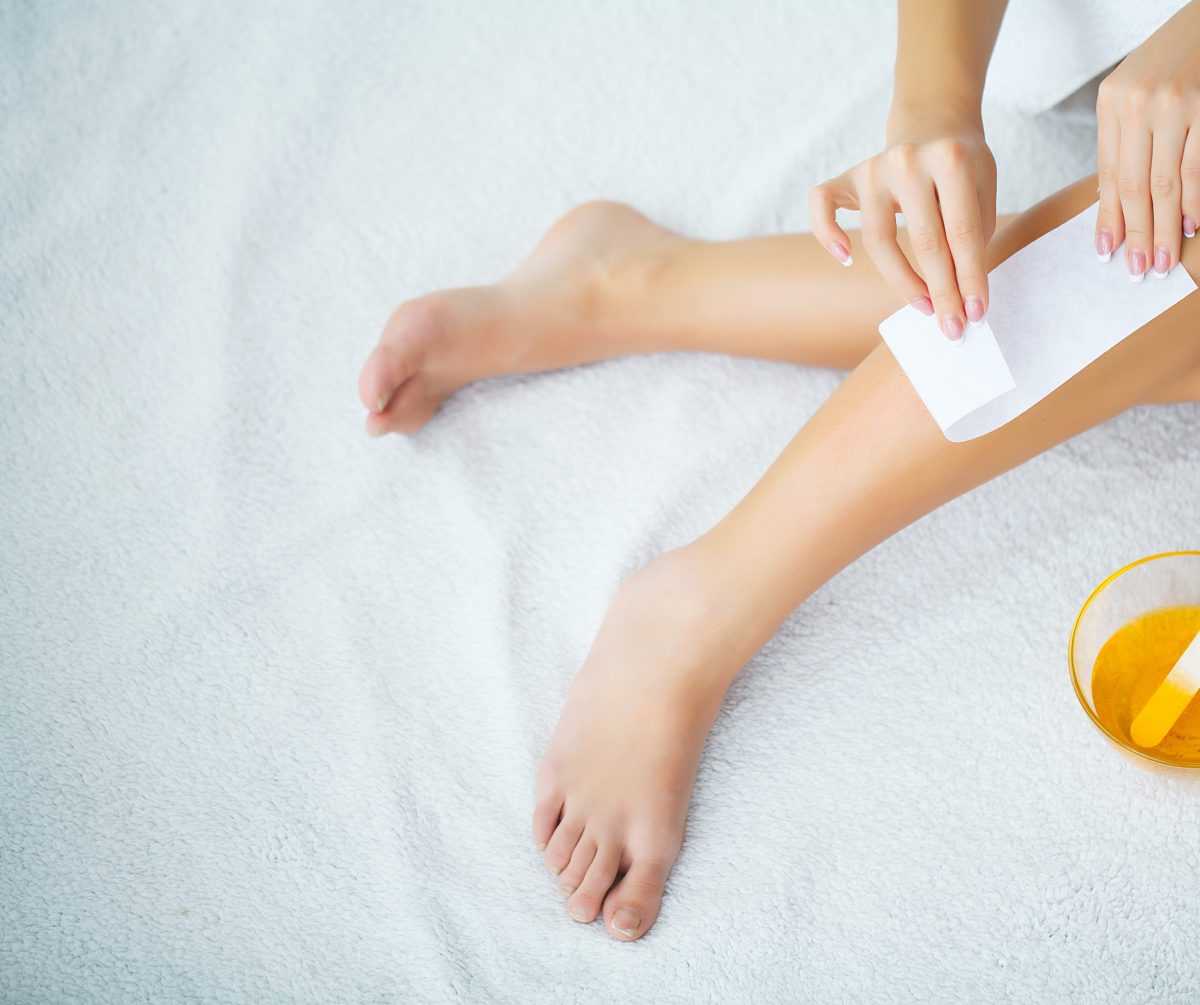
When considering various hair removal techniques, soft wax continues to be a staple in salons and spas thanks to its versatility and efficiency—particularly when covering larger body areas.
Commonly referred to as strip wax, this method remains a favorite among professionals for its ability to effectively remove fine hair, leaving the skin soft, smooth, and touchably clean. Its widespread use is a testament to its reliability and the consistent results it provides for clients seeking both comfort and precision.
What Is Soft Wax?
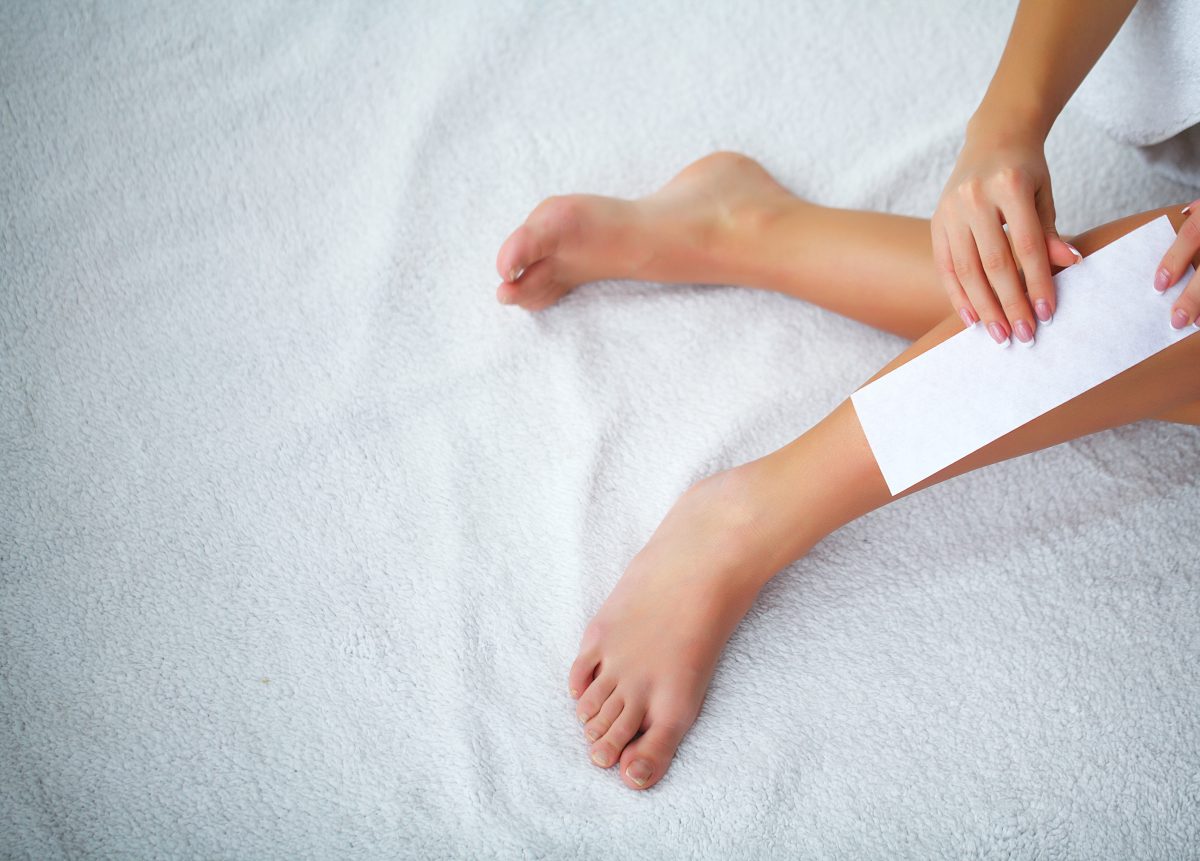
Soft wax, also known as warm or strip wax, is a semi-solid formulation that remains pliable after application. It’s applied in a thin layer over the skin, typically followed by a cloth or paper strip that adheres to both hair and skin. When removed quickly in the opposite direction of hair growth, the strip pulls the wax, hair, and some dead skin cells with it.
There are two primary types:
- Resin-based waxes, which offer stronger adhesion.
- Cream-based formulas (often with titanium dioxide), preferred for clients with sensitive skin because they’re gentler.
Expert Opinion on Soft Wax
Renowned waxing educator and salon consultant featured on Pure Spa Direct articulates the strengths of strip wax very clearly. As one esthetician puts it:
“Soft wax is the classic workhorse… it’s fast, efficient, and perfect for larger areas like legs, arms, and backs. It adheres to both the hair and the skin, which means it can be more painful, but it also grabs even the finest hairs.”
— Esthetician Quote, Pure Spa Direct
This expert perspective highlights why soft wax remains indispensable for busy professionals. Its efficiency, combined with its gentle exfoliation, makes it a go-to choice—though careful technique is necessary to maintain client comfort.
Note: Understanding the benefits and expert insight naturally leads to knowing which professional products can deliver the best results.
Trusted Professional Soft Wax Options
Here are a few top-rated soft waxes used by experienced professionals:
| Product Name | Notable Features |
|---|---|
| Gigi All Purpose Honee Wax | Classic salon favorite, effective on all skin types. |
| Caronlab Pro HD Microwaveable Strip Wax | Convenient, quick-heating formula ideal for mobile use. |
| Satin Smooth Amethyst Crystal Soft Wax | Infused with calming ingredients, perfect for sensitive skin. |
| Sharonelle Azulene Wax | Soothing properties from azulene make it great for facial waxing. |
| Clean&Easy Original All Purpose Soft Wax | Easy-to-spread, ideal for large areas. |
| Epillyss Cocooning Lukewarm Gel Wax | Gel texture provides less irritation, suitable for first-time clients. |
Each of these waxes is known for smooth application, effective grip, and client comfort. Choosing the right product often comes down to your salon’s specialty and your clients’ needs.
Note: Once the ideal product is selected, proper application technique ensures both effectiveness and client satisfaction.
Application Process
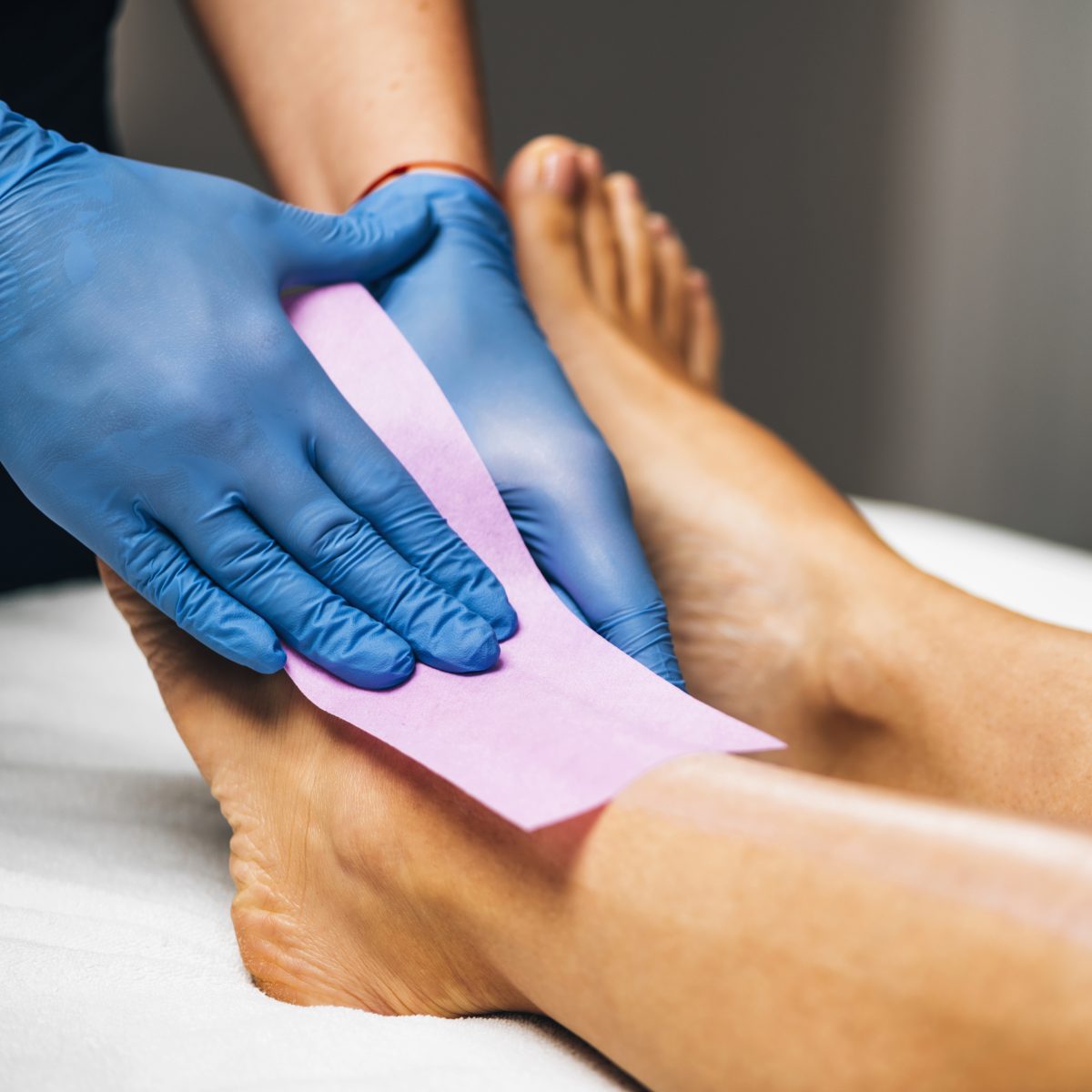
A successful soft wax session hinges on technique. Follow these essential steps:
- Step 1 – Wax Temperature
- Warm to approximately 50–55°C (122–131°F), respecting individual product guidelines.
- Step 2 – Skin Preparation
- Cleanse and apply pre-wax powder or oil to create a protective barrier.
- Step 3 – Spreading the Wax
- Use a spatula to apply a thin, even layer in the direction of hair growth.
- Step 4 – Strip Placement:
- ,Press muslin or non-woven strip firmly, smoothing over the wax.
- Step 5 – Removal Angle
- Pull the strip quickly, parallel to the skin and against hair growth, while holding skin taut.
- Step 6 – No double pass
- Avoid re-strip waxing over the same area to prevent irritation.
- Step 7 – Careful cleanup
- Use wax remover or oil and then apply soothing lotion immediately after waxing.
Use wax remover or oil and then apply soothing lotion immediately after waxing.
These practices ensure smooth results, client comfort, and minimal risk of skin trauma.
Soft Wax vs. Hard Wax vs. Sugaring
Here’s a detailed comparison table professionals often consult when choosing between methods:
| Feature | Soft Wax | Hard Wax | Sugar Paste (Sugaring) |
|---|---|---|---|
| Formulation | Resin- or cream-based, thin consistency | Natural resins/beeswax, thick stripless formula | Sugar, water, lemon (natural, water-soluble) |
| Application/Removal | Thin layer, removed with strip | Thicker layer, hardens and removed by hand | Applied against hair growth, removed in direction of growth |
| Best For | Large areas (legs, arms, back), fine hair | Sensitive areas (underarms, face, bikini); short or coarse hair | Fine to medium hair, sensitive skin, clients allergic to wax |
| Adhesion to Skin | Adheres to both hair and skin (exfoliating) | Binds mainly to hair, not skin | Adheres to hair only, minimal skin trauma |
| Pain/Comfort | Moderate, can be more painful for sensitive skin | Gentler, less pain on sensitive areas | Generally less painful; pulls hair gently |
| Hair Length | Effective on fine and short hair | Works well on hair as short as 3 mm | Effective on hair as short as ≈4 mm (1/16 inch) |
| Exfoliation Quality | High — removes dead skin cells too | Minimal with each pull | Minimal; gentle on skin |
| Clean‑up | Requires strips and oil cleanup | No strips; minimal residue | Water-soluble; easy cleaning |
| Cost & Speed | Fast and cost-effective for larger zones | Slower, more wax used per area | Slower technique, can cost more and demand skill |
When to Use Soft Wax vs. Other Methods
To make optimal choices, here are professional use cases:
- Strip wax: Choose for larger zones with fine or moderate hair—ideal for legs, arms, back, chest.
- Hard wax: Best for precision work and sensitive skin areas; repeatable on short hair.
- Sugar paste: Excellent for clients with highly reactive skin or those preferring natural, hypoallergenic treatments.
FAQs
Yes, strip wax adheres well to fine and light hairs, often catching hairs that hard wax may miss.
It can be, since it removes both hair and top layers of skin. Sensitive clients may prefer hard wax or sugar paste for better comfort.
Professionals do not double-strip over the same area—it can damage skin and cause irritation.
Strip wax works well on coarse hair over large zones; hard wax may require multiple passes and slower technique.
Soft wax requires stripping, oil removal, and cleanup. Sugaring is water-soluble and rinses away easily.


Lina Alhalabi
I’m Lina, and I enjoy making the science behind beauty easier to understand. I write about spa treatments, foot and body care, and hair removal, with a close eye on ingredients and hygiene. I want my guides to help you feel comfortable with the products you use and the care you offer your clients.