
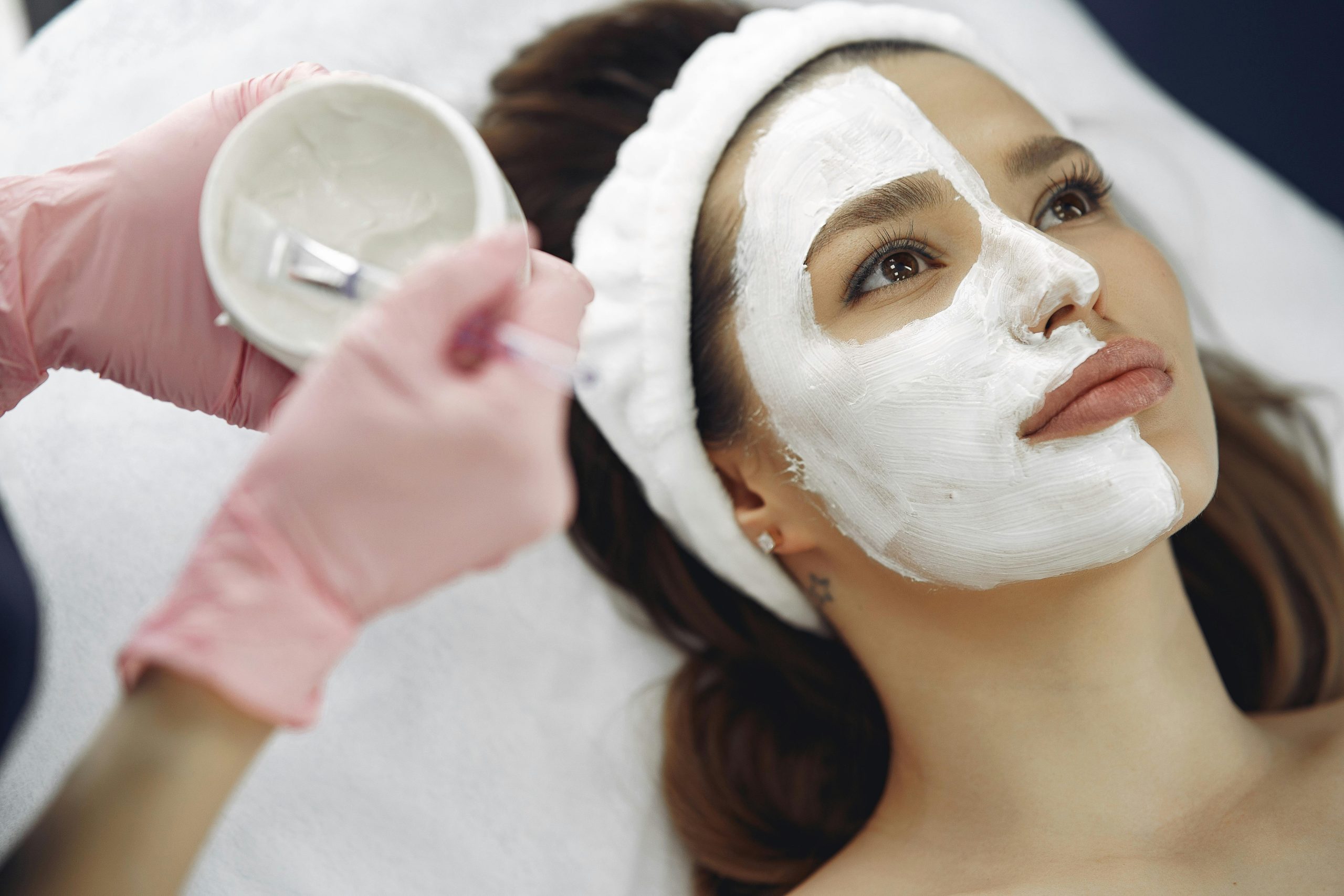
Facial Hydration Solutions
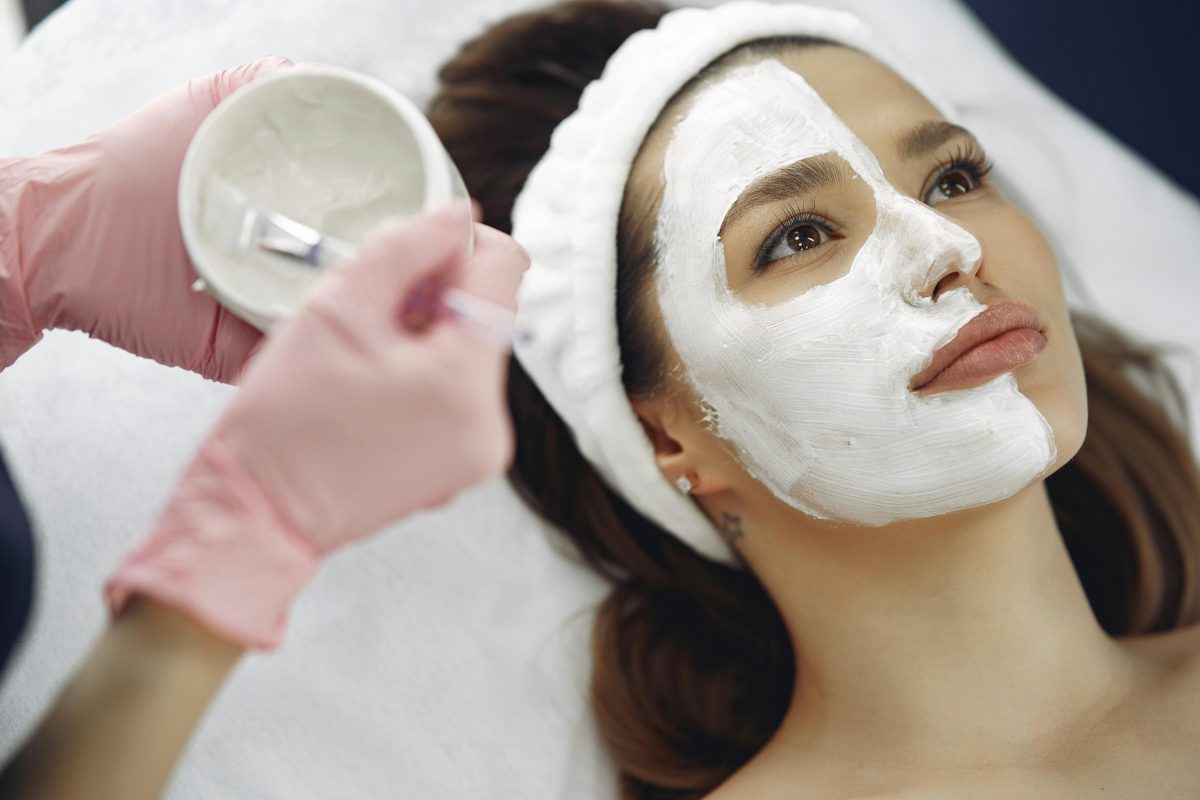
In the skincare world, personalized facial hydration solutions are vital for achieving and maintaining healthy, radiant skin.
Hydration serves as the foundation for a vibrant complexion, particularly for the face, which encounters daily environmental challenges. By recognizing and addressing each client’s unique hydration needs, skincare professionals can foster a balanced and luminous appearance. A tailored approach that combines the right moisturizers, revitalizing serums, and indulgent masks not only enhances skincare results but also ensures that every client receives the specific care their skin craves. This commitment to personalized hydration elevates skin health and deepens client relationships, ultimately building lasting trust.
Understanding Skin Types
Different skin types require distinct hydration strategies to achieve optimal results.
- Dry Skin: This skin type often lacks both oil and moisture, leading to tightness, flakiness, and a dull appearance. To nourish deeply, it requires richer, emollient-based products that not only hydrate but also create a protective barrier to lock in moisture. Ingredients like shea butter, ceramides, and oils are essential to restore and maintain hydration levels.
- Oily Skin: While oily skin produces excess sebum, it still requires adequate hydration to prevent overproduction of oil and maintain balance. Lightweight, non-comedogenic formulas, such as gels or water-based solutions, are ideal for this skin type. These products provide hydration without clogging pores, helping to keep the skin refreshed and less prone to breakouts.
- Combination Skin: This skin type exhibits characteristics of both dry and oily skin, often with dry patches in some areas and an oily T-zone. Because of this unique balance, combination skin often requires a tailored mix of products. Targeted hydration strategies may involve using lightweight gels on oily areas while opting for richer creams on dry patches, ensuring that all areas of the face receive the appropriate level of moisture.
- Sensitive Skin: Easily irritated by environmental factors or harsh ingredients, sensitive skin requires special care. Gentle, soothing hydration solutions that avoid potential irritants, such as fragrances and alcohols, are essential. Look for products containing calming ingredients like aloe vera, chamomile, or green tea, which can provide hydration while minimizing the risk of irritation and redness.


Types of Facial Hydration Solutions
Moisturizers
Moisturizers are essential for maintaining skin hydration and come in various formulations to suit different skin needs:
- Creams: These are typically thicker and richer in texture, making them ideal for dry skin. Creams provide long-lasting moisture and often contain occlusive ingredients that help seal in hydration, creating a protective barrier. They may also include nourishing oils and butters, which further enhance their hydrating properties.
- Gels: Lightweight and often oil-free, gel moisturizers are well-suited for oily or combination skin types. They deliver hydration without clogging pores, allowing the skin to feel fresh and breathable. Many gel formulations contain water-based ingredients, which provide an immediate cooling effect and are absorbed quickly, making them perfect for those who prefer a lighter feel on the skin.
- Lotions: Offering midweight hydration, lotions strike a balance between creams and gels. They are ideal for normal or slightly dry skin, providing adequate moisture without being too heavy or greasy. Lotions typically contain a combination of water, oils, and humectants, making them versatile for daily use.
Anti-Aging Products
Anti-aging products are essential for maintaining youthful, hydrated skin while addressing common signs of aging. These formulations often combine hydration with active ingredients that promote skin health:
- Hydrating Serums: These lightweight, concentrated formulas typically contain powerful ingredients like hyaluronic acid and peptides. They penetrate deeply into the skin, delivering intense moisture and helping to plump the skin, reducing the appearance of fine lines and wrinkles.
- Moisturizers: Anti-aging moisturizers are designed to provide lasting hydration while improving skin texture. They often contain nourishing ingredients, such as ceramides and antioxidants, which not only hydrate but also protect the skin from environmental stressors that can accelerate aging.
- Eye Creams: Targeted specifically for the delicate eye area, anti-aging eye creams often include hydrating ingredients like glycerin and botanical extracts. These formulations aim to reduce puffiness and dark circles while providing essential moisture to minimize the appearance of fine lines.
- Face Masks: Hydrating anti-aging masks deliver a concentrated dose of moisture and active ingredients, such as collagen and vitamins. These masks can provide an instant boost to hydration levels while promoting elasticity and firmness in the skin.
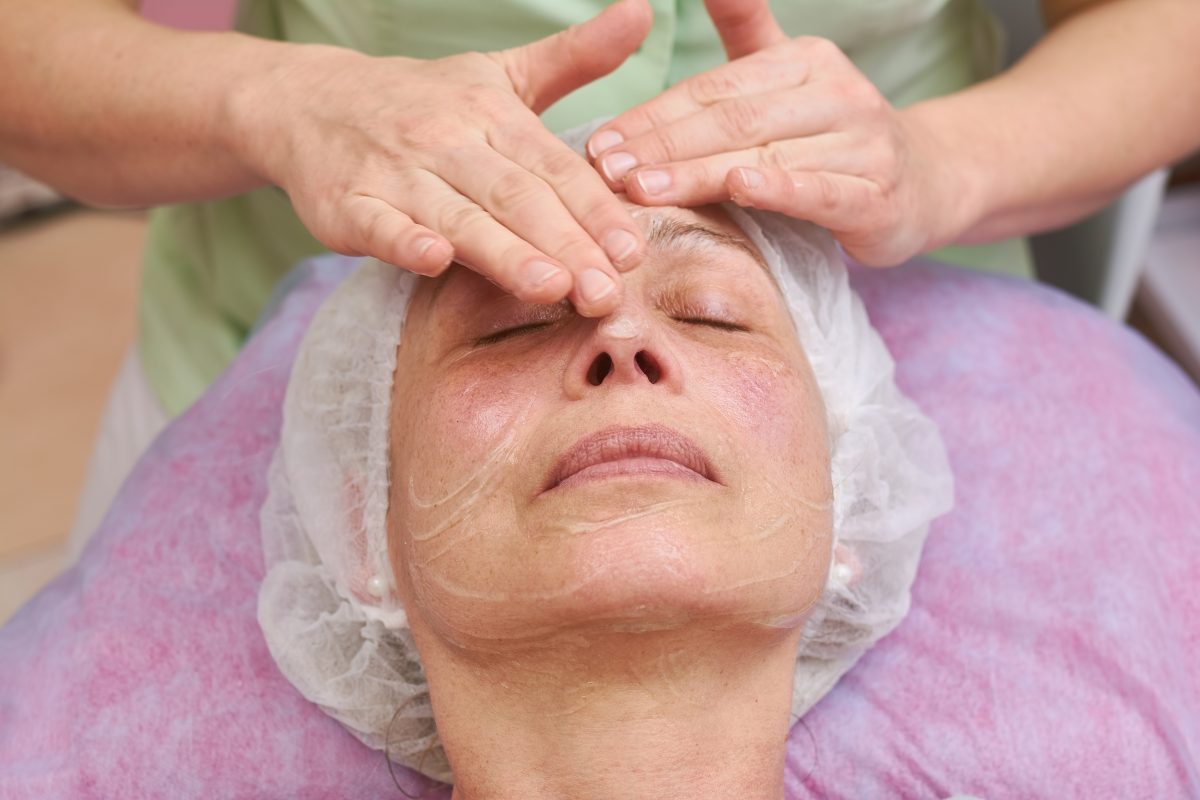
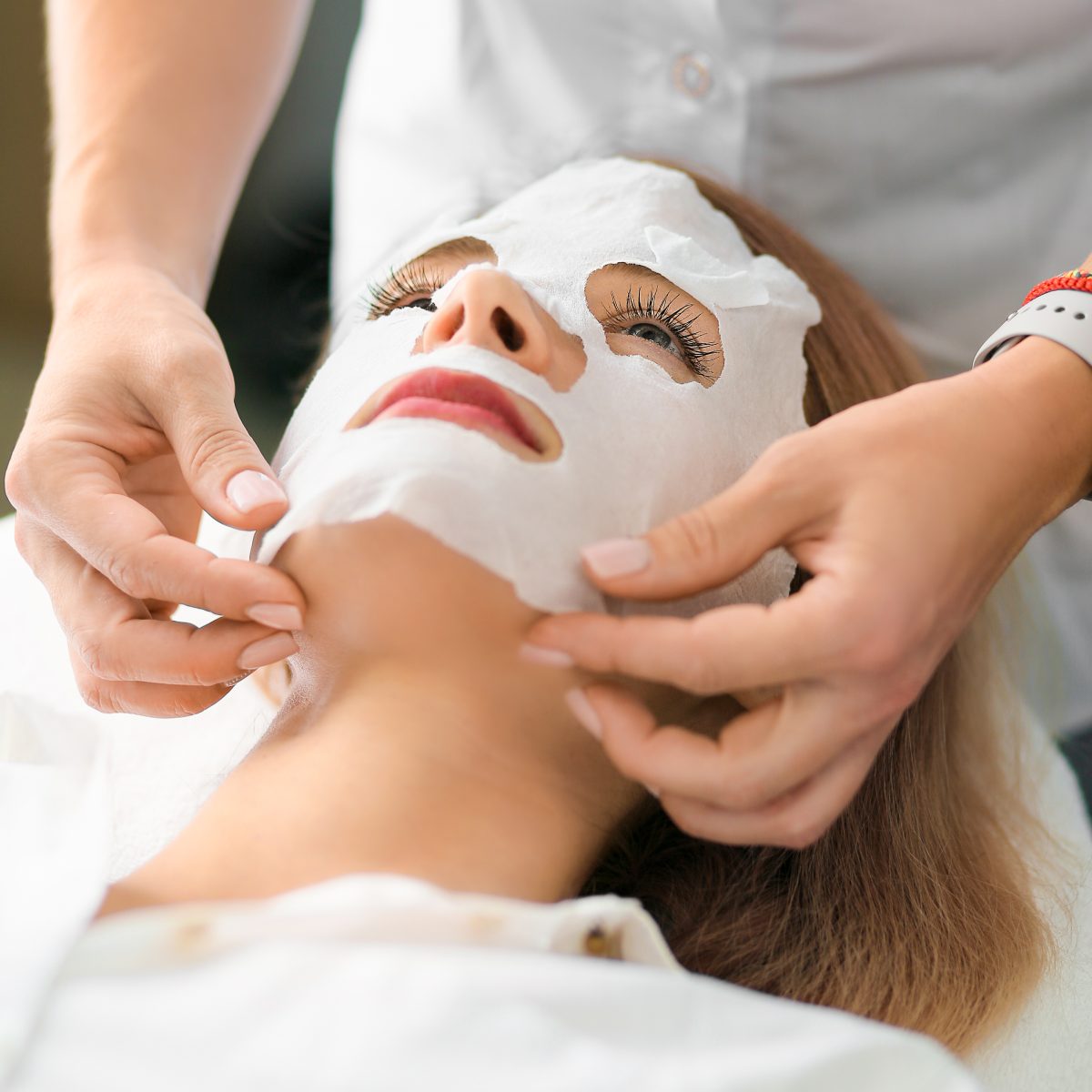
Masks
Hydrating masks provide an intense boost of moisture, making them excellent additions to any skincare routine:
- Sheet Masks: These convenient masks are soaked in hydrating serums and are designed to conform to the face, allowing for optimal absorption of hydration. They are ideal for a quick pick-me-up, delivering instant moisture and revitalization to the skin in just 15-30 minutes.
- Overnight Masks: Richer formulations designed to be worn overnight, these masks work while clients sleep, locking in moisture and providing deep hydration. They often contain nourishing ingredients that replenish the skin, resulting in a more hydrated and rejuvenated appearance by morning.
Serums
Hydrating serums are concentrated formulations that deliver potent ingredients deep into the skin:
- Hyaluronic Acid: Renowned for its incredible ability to hold up to 1,000 times its weight in water, hyaluronic acid is a superstar ingredient in hydrating serums. It helps boost the skin’s moisture levels, plumping the skin and reducing the appearance of fine lines and wrinkles.
- Glycerin: A powerful humectant, glycerin works by drawing moisture from the environment into the skin, helping to keep it hydrated throughout the day. Its ability to attract and retain water makes it an essential component of many hydrating products.
- Peptides: These short chains of amino acids play a crucial role in supporting the skin barrier and retaining hydration. Peptides can stimulate collagen production, helping to improve skin elasticity and firmness while ensuring that the skin remains adequately hydrated.
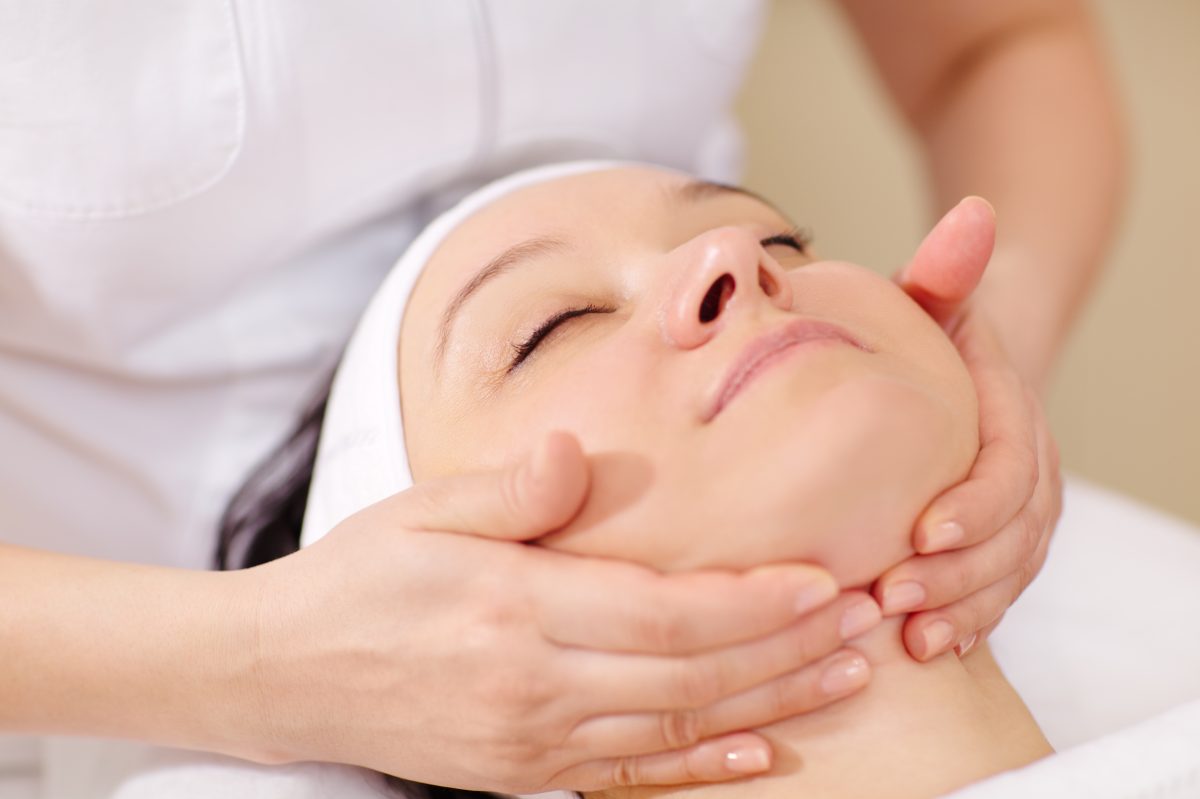
Tailoring Solutions to Individual Needs
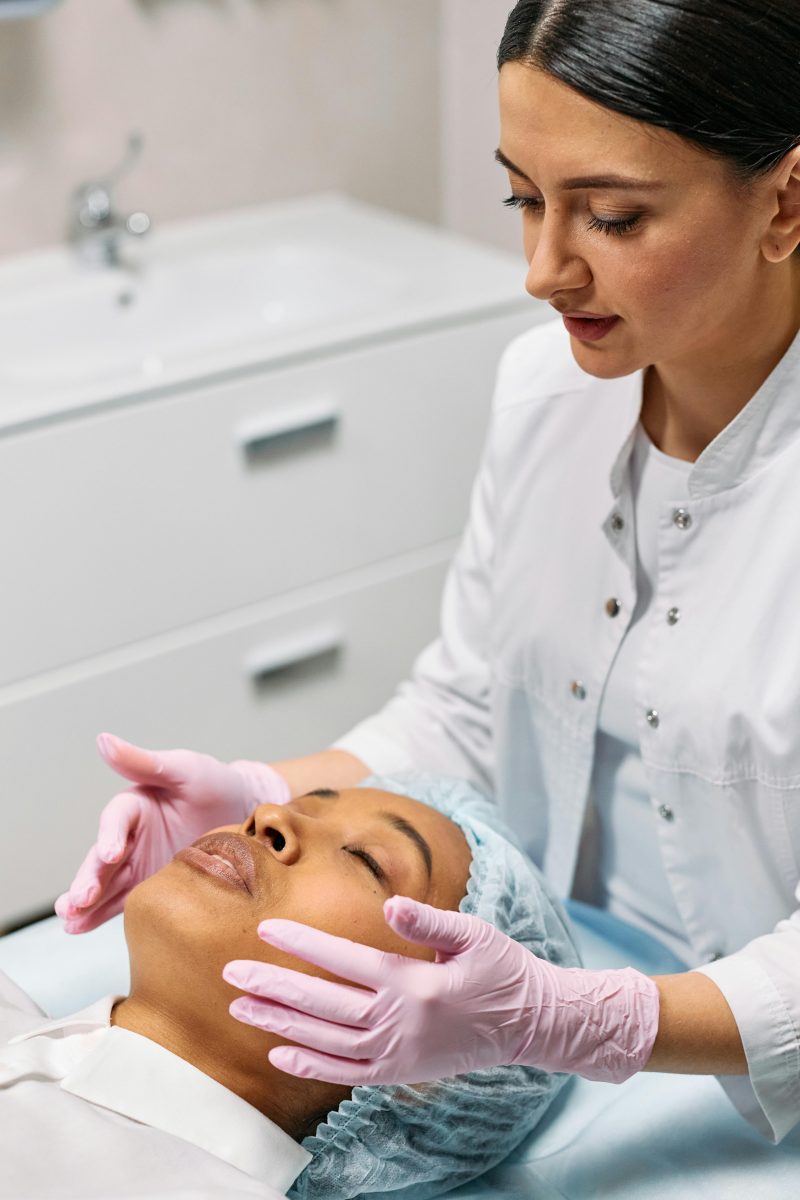
Consultation Process
A thorough skin consultation is essential for accurately assessing your clients’ specific hydration needs. First, consider the various skin types—such as dry, oily, combination, and sensitive—each of which requires different hydration strategies. Additionally, evaluate environmental conditions, including humidity and pollution levels, as these factors can significantly impact skin hydration. Furthermore, take into account your clients’ lifestyles, including their diet, hydration habits, and sun exposure, as these elements also contribute to skin health. Finally, identify any specific concerns, such as dehydration, aging, or sensitivity, which may necessitate tailored solutions. By carefully analyzing these factors, you can provide personalized recommendations that effectively address each client’s unique hydration needs.
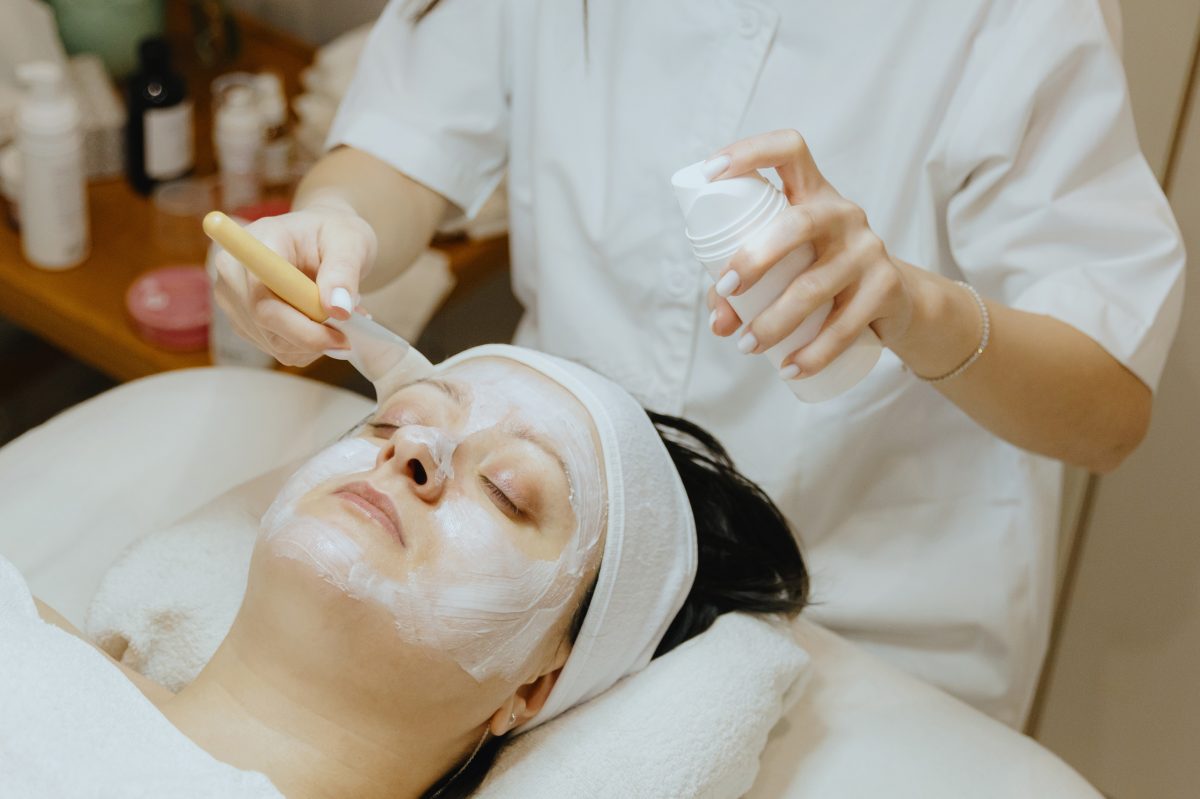
Customized Regimens
ersonalized hydration regimens tailored to individual skin types are crucial for optimal results. By customizing these regimens, skincare professionals can ensure each client receives targeted care that promotes healthier, more radiant skin.
- For Dry Skin: Start with a hydrating serum that contains ingredients like hyaluronic acid or glycerin to attract and retain moisture. Follow this with a rich, emollient moisturizer that deeply nourishes and seals in hydration. Additionally, incorporating weekly overnight masks can provide an intensive moisture boost, allowing the skin to repair and rejuvenate while sleeping.
- For Oily Skin: For those with oily skin, it’s crucial to choose lightweight, non-comedogenic gels that deliver hydration without clogging pores. Combining these gels with hydrating serums can enhance moisture levels without adding excess oil. To further maintain hydration, recommend water-based sheet masks that can be used a few times a week, providing refreshing hydration that keeps the skin balanced and supple.
- For Sensitive Skin: Clients with sensitive skin require gentle care to avoid irritation. Recommend fragrance-free creams formulated with soothing ingredients like aloe vera and ceramides, which help to calm and hydrate the skin. Pair these with calming masks designed to reduce redness and inflammation, ensuring that the skin receives the delicate treatment it needs to stay hydrated and healthy.
Ingredients to Look For
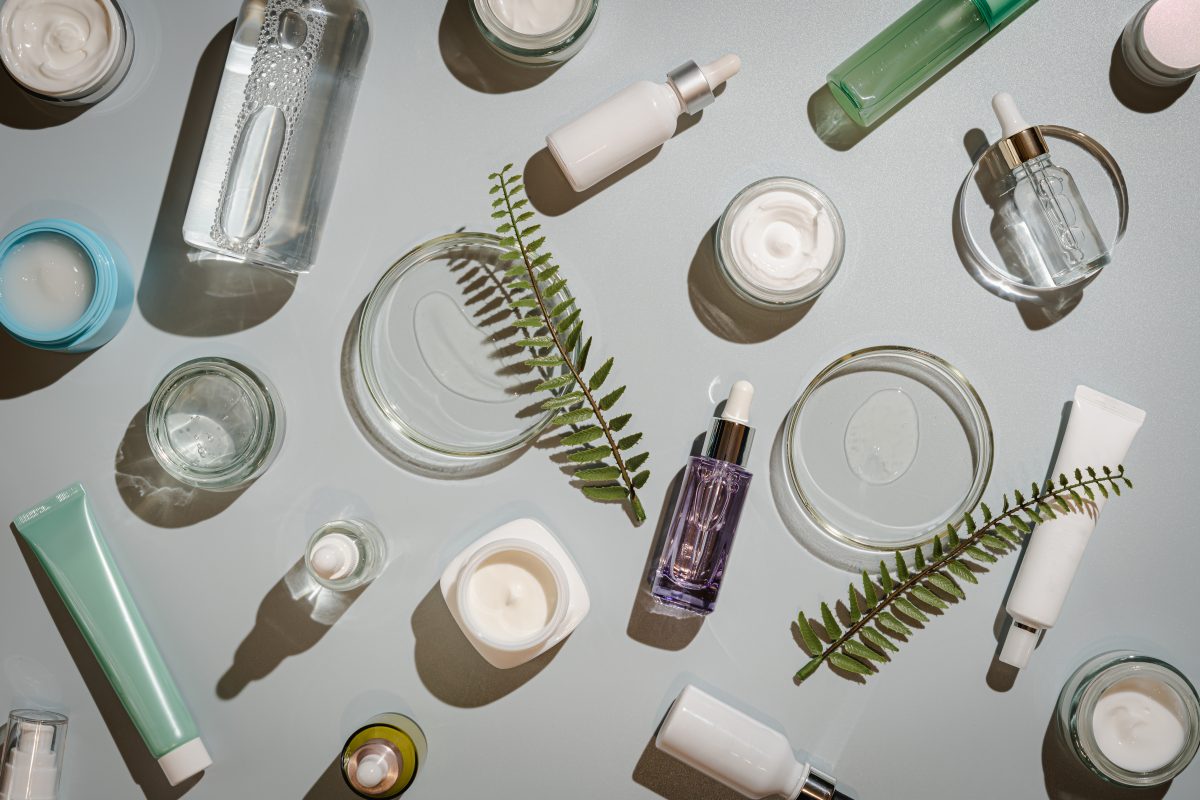
When selecting hydration products, certain ingredients are particularly beneficial:
- Hyaluronic Acid: Renowned for its ability to provide deep hydration, hyaluronic acid is suitable for all skin types. It can hold up to 1,000 times its weight in water, making it an excellent choice for plumping the skin and maintaining moisture levels throughout the day.
- Glycerin: This powerful humectant is effective in drawing moisture from the environment into the skin. By retaining hydration, glycerin helps to keep the skin soft and supple, making it an essential ingredient in many moisturizing formulations.
- Aloe Vera: Known for its calming and soothing properties, aloe vera is particularly beneficial for sensitive or irritated skin. Its anti-inflammatory effects help reduce redness and discomfort while providing hydration, making it a perfect ingredient for those with reactive skin.
- Ceramides: These lipid molecules play a crucial role in restoring the skin’s barrier function. By reinforcing the skin’s natural protective layer, ceramides help to retain hydration and prevent moisture loss, contributing to a healthier and more resilient complexion.
FAQ


Lina Alhalabi
I’m Lina, and I enjoy making the science behind beauty easier to understand. I write about spa treatments, foot and body care, and hair removal, with a close eye on ingredients and hygiene. I want my guides to help you feel comfortable with the products you use and the care you offer your clients.